Before you start
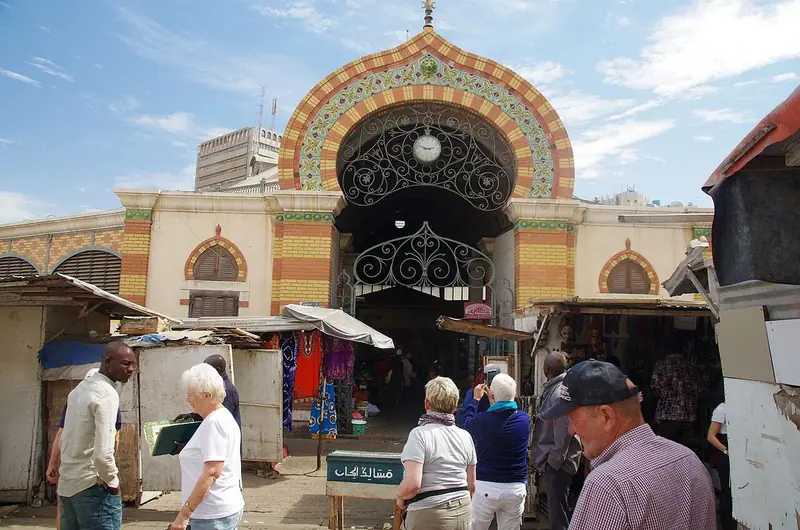
Dakar sits on the Cap-Vert peninsula, the westernmost point of mainland Africa. Once a Lebu fishing village facing the island of Gorée, it became the capital of all French West Africa, and then of independent Senegal. This guide explores the Plateau, the old colonial heart of the city. It visits the main square, the market, the railway station, the palace, the cathedral and the art museum, then goes to the Grand Mosque in the Médina. It ends on a hilltop at the African Renaissance Monument. Allow a full day, and take a taxi for the last two stops.
Use it as a self-guided tour of the Dakar Plateau: 8 stops in visit order, each played when you’re ready, at your own pace.
 Free preview · Stop 1
Place de l’Indépendance
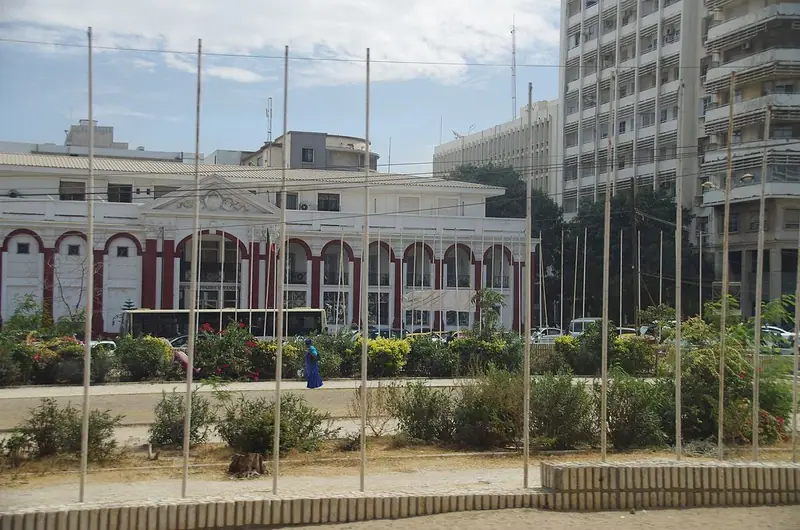
Begin on the Place de l’Indépendance, the great square at the centre of the Plateau. Under the French it was called the Place Protet, after a French admiral who served as governor of Senegal. In 1862 the first town plan of Dakar set aside this space for the market of the new town. After independence it was renamed for the freedom of Senegal. Around the square stand government offices, banks and hotels, with buildings from colonial times beside modern towers. The Plateau was the administrative centre of the colony. After an outbreak of plague in 1914, the authorities forced much of the African population out of the old neighbourhoods here and into a new quarter called the Médina. The Lebu, as the first owners of the land, resisted. From here, walk east towards the port.
Photo: Balou46 · CC BY-SA 4.0 · Wikimedia Commons
What to see at the Dakar Plateau: 8 stops, in visit order
- 01
 Place de l’IndépendanceThe heart of the PlateauFree preview
- 02
 Marché KermelA market rebornIn the guide
- 03
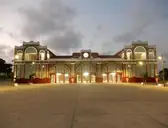 Dakar Railway StationDemba and DupontIn the guide
- 04
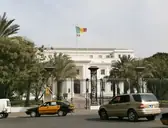 The Presidential PalaceFrom governor to presidentIn the guide
- 05
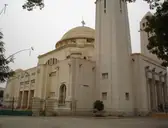 Dakar CathedralOur Lady of VictoriesIn the guide
- 06
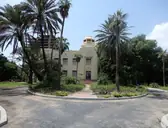 Théodore Monod MuseumMasks of West AfricaIn the guide
- 07
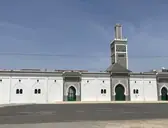 The Grand MosqueA minaret of sixty-seven metresIn the guide
- 08
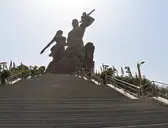 The African Renaissance MonumentAfrica standing tallIn the guide
Site map of the Dakar Plateau
History of the Dakar Plateau
The Lebu people, fishermen and farmers, settled this peninsula no later than the fifteenth century. Their villages of Ouakam, Ngor, Yoff and Hann are still neighbourhoods of the city. From the sixteenth century, Europeans used the island of Gorée offshore as a base for the slave trade. In the seventeenth century the Lebu village of Ndakaaru grew up on the mainland opposite, supplying it with food and water. In 1857 the French set up a military post at Ndakaaru, which they called Dakar. The town grew into a great port, and in 1902 it replaced Saint-Louis as the capital of French West Africa.
The full history continues in the guide.
Dakar Plateau guide: questions
How many stops does the Dakar Plateau guide have?
8 stops, in visit order: 1. Place de l’Indépendance; 2. Marché Kermel; 3. Dakar Railway Station; 4. The Presidential Palace; 5. Dakar Cathedral; 6. Théodore Monod Museum; 7. The Grand Mosque; 8. The African Renaissance Monument.
Can I do a self-guided tour of the Dakar Plateau with this guide?
Yes. The guide is made for a self-guided tour: 8 stops in visit order, each with a photo, a story and a voice, so you can explore the Dakar Plateau at your own pace, without joining a group. Download it before you go and it works offline.
How long is each guide?
The 8 stops add up to about 6 minutes of listening in total. You play each stop when you’re ready, so you can go at your own pace.
Does the guide work offline?
Yes, once it’s downloaded. The guide is a single self-contained web page (about 7.0 MB) with the photos, text and audio built in. Download it to your phone before you go (Wi-Fi is best); after that it opens in any modern browser on iPhone or Android, with no app, account or mobile signal needed.
Does it use GPS or need my location?
No. The guide doesn’t use GPS and doesn’t know where you are: you play each stop when you reach it. It works on iPhone and Android in any modern browser, and it’s in English.
What’s included?
One self-contained HTML guide: 8 stops in visit order, each with a photo, text and a voice, plus the story of who built the site.
Who built the Dakar Plateau?
The Lebu people, fishermen and farmers, settled this peninsula no later than the fifteenth century. Their villages of Ouakam, Ngor, Yoff and Hann are still neighbourhoods of the city.
Where is the Dakar Plateau?
Dakar sits on the Cap-Vert peninsula, the westernmost point of mainland Africa.
Is there a free audio guide to the Dakar Plateau?
The first stop, Place de l’Indépendance, is free to read and hear on this page, so you can try the Dakar Plateau audio tour before you buy. The full guide, with all 8 stops, is a one-off purchase: download it once and it’s yours to keep, working offline.
Is the Dakar Plateau guide worth it?
If you’d like to know what you’re looking at, yes. For $10 you get 8 stops in visit order, each with a photo, a short history and a voice you play when you’re ready, plus a site map of the stops, and about 6 minutes of listening in all. It’s short on purpose, so you spend your time looking, not listening. It’s yours to keep, works offline and needs no app. The first stop is free on this page, so you can try it before you buy. If you’d like hours of detail, a guided tour will go deeper.
Audio guide or guided tour?
It depends how you like to visit. This guide lets you explore the Dakar Plateau at your own pace, at any time, for a one-off price. A guided tour gives you a live expert you can ask questions, but at fixed times and usually for a higher price. Many people use both: a tour for the big picture, and the guide to read beforehand or to revisit the stops in their own time.
Is this the official Dakar Plateau guide?
No. It’s an independent guide by The Historian Guide, not affiliated with or endorsed by the operator of the Dakar Plateau. For tickets and opening hours, check the official site operator before you go.
Does the guide include entry tickets or opening hours?
No. The guide is a digital companion only. Admission to the Dakar Plateau is separate, so check the official site operator for current tickets and opening hours before you go.
- Stop 1 · Place de l’Indépendance: Balou46 · CC BY-SA 4.0 · Wikimedia Commons · resized
- Stop 2 · Marché Kermel (also the cover): Balou46 · CC BY-SA 4.0 · Wikimedia Commons · resized
- Stop 3 · Dakar Railway Station: Zythème · CC0 · Wikimedia Commons · resized
- Stop 4 · The Presidential Palace: HaguardDuNord · CC BY-SA 3.0 · Wikimedia Commons · resized
- Stop 5 · Dakar Cathedral: Neil Rickards from Cambridge, England · CC BY 2.0 · Wikimedia Commons · resized
- Stop 6 · Théodore Monod Museum: Zythème · CC0 · Wikimedia Commons · resized
- Stop 7 · The Grand Mosque: M.GADJ! · CC BY-SA 4.0 · Wikimedia Commons · resized
- Stop 8 · The African Renaissance Monument: Tafsir207 · CC BY-SA 4.0 · Wikimedia Commons · resized


All photographs from Wikimedia Commons under the licences shown.
More guides in Senegal
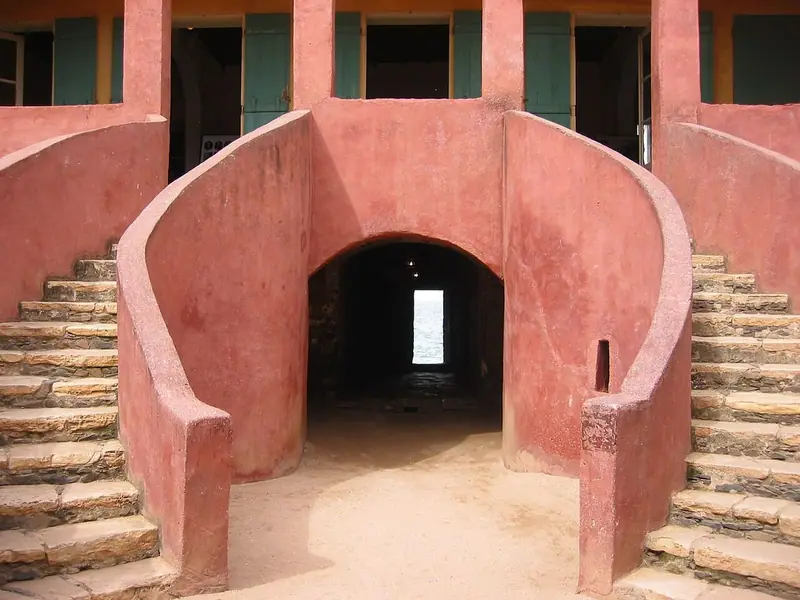 French Colonial7 stops · 17th–19th century
Gorée Island audio guide
Take the ferry to Gorée’s car-free lanes of colonial houses, to the House of Slaves and the Door of No Return.
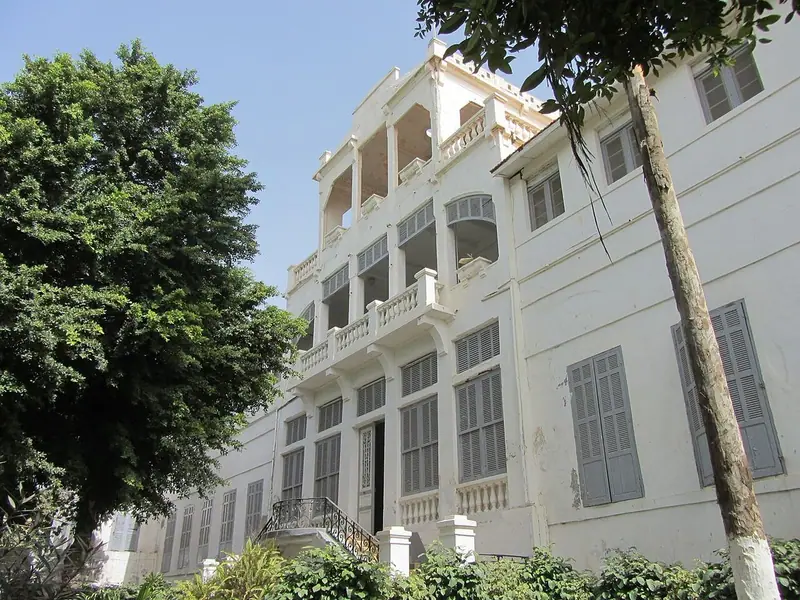 French Colonial7 stops · 1659–1960
Saint-Louis audio guide
Cross the Faidherbe Bridge onto a narrow island in the Senegal River, to an old colonial town of balconies and shutters and the fishing quarter of Guet Ndar.
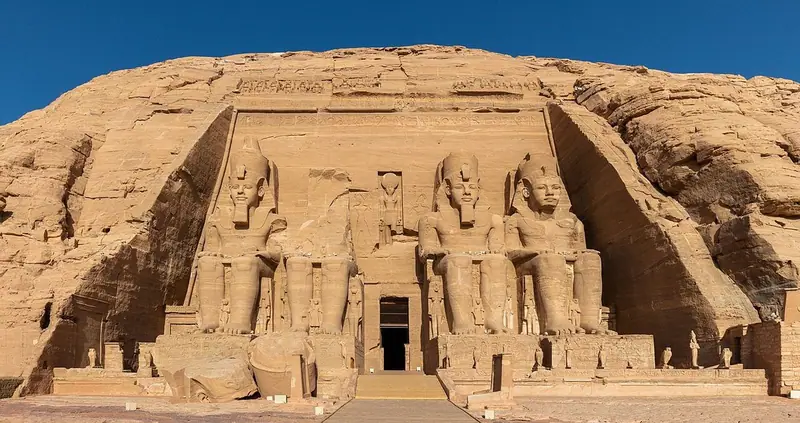 Ancient Egyptian8 stops · 13th century BCE
Abu Simbel audio guide
Ramesses II’s colossal temple façade, the Temple of Nefertari, and how both were rescued from the waters of Lake Nasser.
Every guide, in every country
Dakar Plateau and every other guide we publish, including future ones. One payment, no subscription.