Guides
IndiaGuides to 19 historic sites
19 guides availableChandelaChaulukyaDeccanDelhi SultanateEastern GangaGupta and PalaKingdom of MysoreMughalPallavaRajputSikhVijayanagara
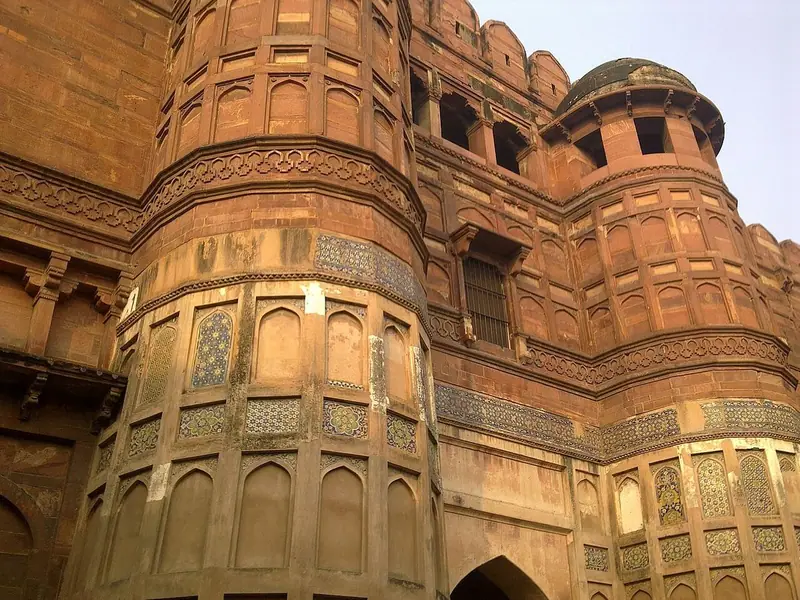
Agra Fort. Photo: Kmohankar · CC BY-SA 4.0 · Wikimedia Commons
Guides to 19 historic sites in India: Agra Fort, Ajanta Caves, Amber Fort, Ellora Caves, Fatehpur Sikri, The Golden Temple, Hampi, Humayun’s Tomb, Jaipur and Jantar Mantar, Khajuraho, Konark Sun Temple, Mahabalipuram, Mahabodhi Temple, Mysore Palace, Nalanda, Qutb Minar, Rani ki Vav, Red Fort and Taj Mahal. Each guide is one file with a photo, text and a voice at every stop; download it before you go and it works offline.
A Rajput dynasty of central India who built the temples of Khajuraho.
The Solanki dynasty that ruled Gujarat from Anahilapataka (Patan) from about 940 to 1244, builders of step-wells and temples.
The Buddhist, Hindu and Jain communities of the Deccan, who cut temples and monasteries into the rock.
The Muslim dynasties of Turkic and Afghan origin that ruled northern India from Delhi.
The dynasty that ruled Kalinga, modern Odisha, and built the Sun Temple at Konark.
The Gupta and Pala dynasties of northern and eastern India, patrons of Buddhist monasteries, temples and the great monastic university of Nalanda.
The Wadiyar kings of Mysore in southern India.
A Muslim dynasty of Central Asian descent that ruled much of the Indian subcontinent from 1526.
The dynasty that ruled northern Tamil Nadu from Kanchipuram and carved the monuments of Mahabalipuram.
The warrior clans of Rajasthan, builders of hilltop forts and mirrored palaces.
The Sikh Gurus and the Sikh Empire of the Punjab.
The last great Hindu kingdom of southern India, ruled from Hampi.
The 19 India guides, plus every guide in our other countries and every one we add later. One payment, no subscription.
World Pass holders may also request a site they’d love to see covered: simply write to hello@thehistorianguide.com.
Mughal7 stops · 1565–1640sRed sandstone ramparts and marble palaces, with the Taj Mahal in view from the riverside terraces.
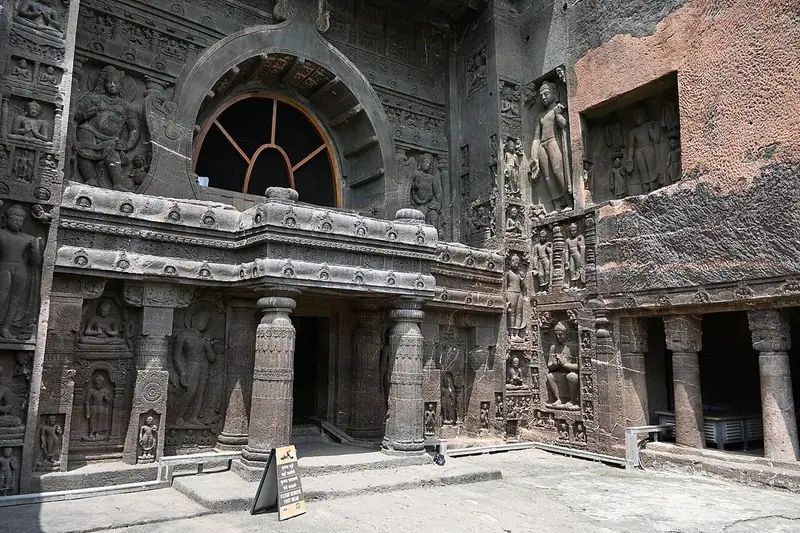 Deccan8 stops · 2nd century BCE – 5th century CE
Thirty caves cut into a curving cliff above the Waghora river, their prayer halls and monasteries painted and carved by Buddhist monks and their patrons.
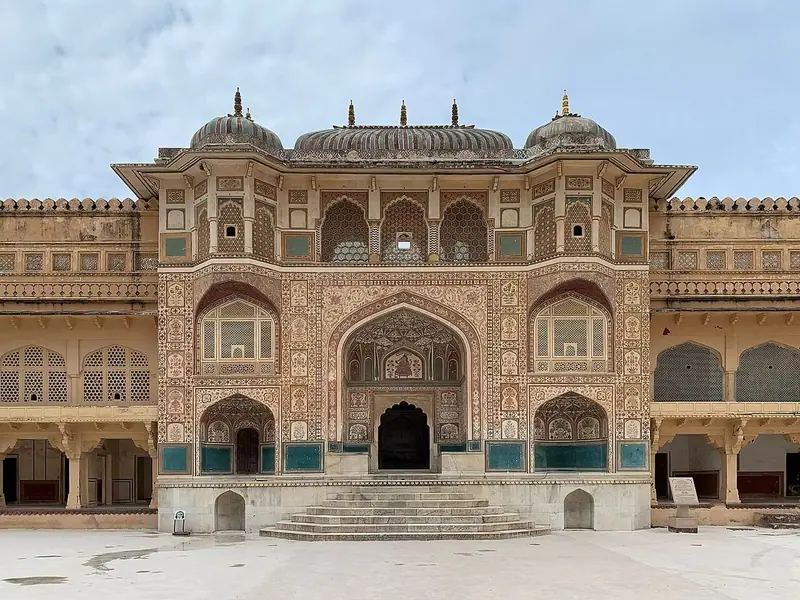 Rajput8 stops · 1592–18th century
Up from Maota Lake through the great gates and courtyards to the Sheesh Mahal, palace of the Kachhwaha Rajputs.
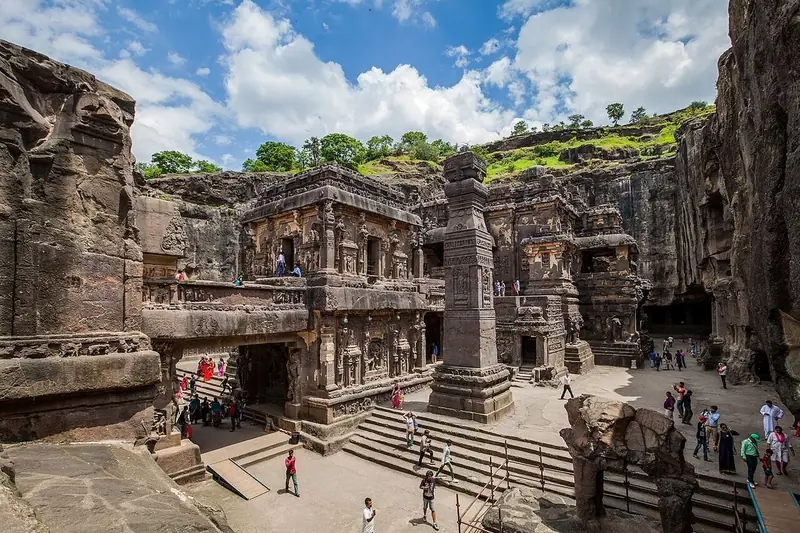 Deccan8 stops · c. 600–1000 CE
Thirty-four Buddhist, Hindu and Jain caves cut into a basalt escarpment, crowned by the Kailasa Temple.
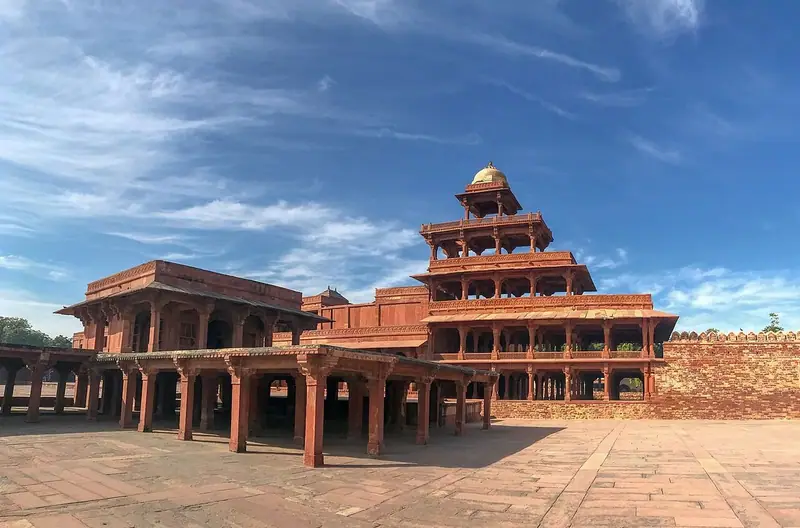 Mughal8 stops · 1571–1585
Akbar’s short-lived red sandstone capital: the Panch Mahal, the Diwan-i-Khas and the tomb of Salim Chishti.
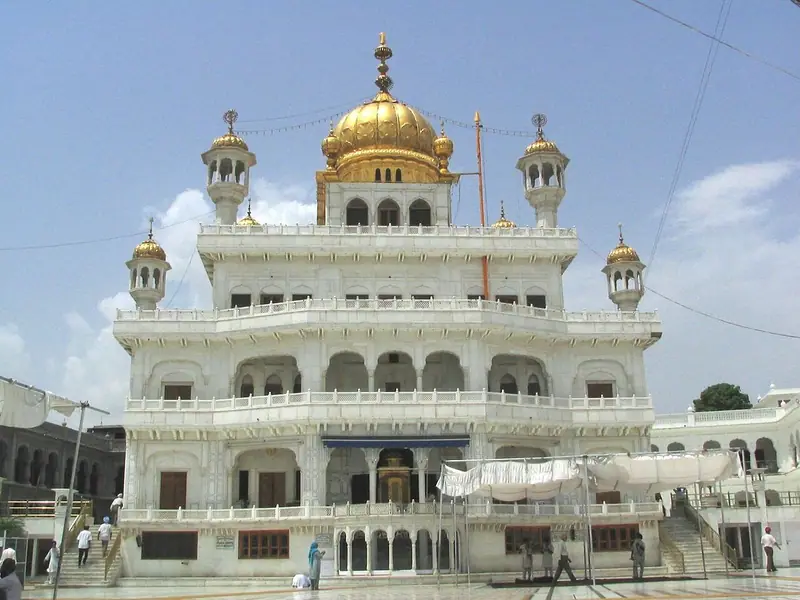 Sikh9 stops · Sikh Gurus and Sikh Empire
Follow the marble path around the sacred pool, cross the causeway to the gilded Harmandir Sahib, and share a meal at the Guru ka Langar.
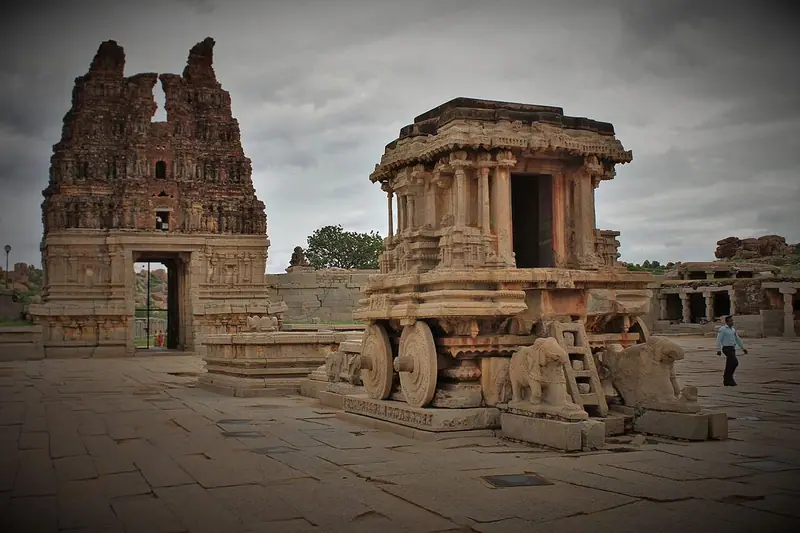 Vijayanagara8 stops · 1336–1565 CE
Explore the City of Victory among granite boulders by the Tungabhadra, from the Virupaksha temple to the Lotus Mahal and the Vittala Temple.
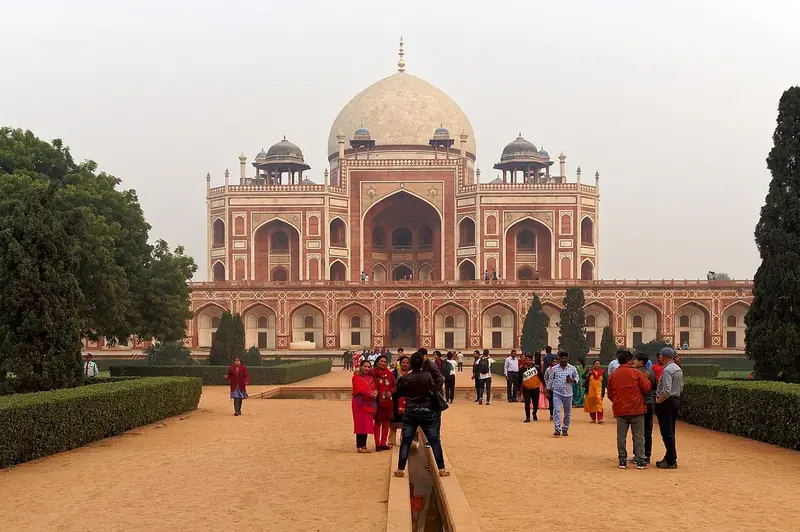 Mughal7 stops · 1565–1572
The first great Mughal garden tomb, its red sandstone and marble mausoleum set in a four-part charbagh.
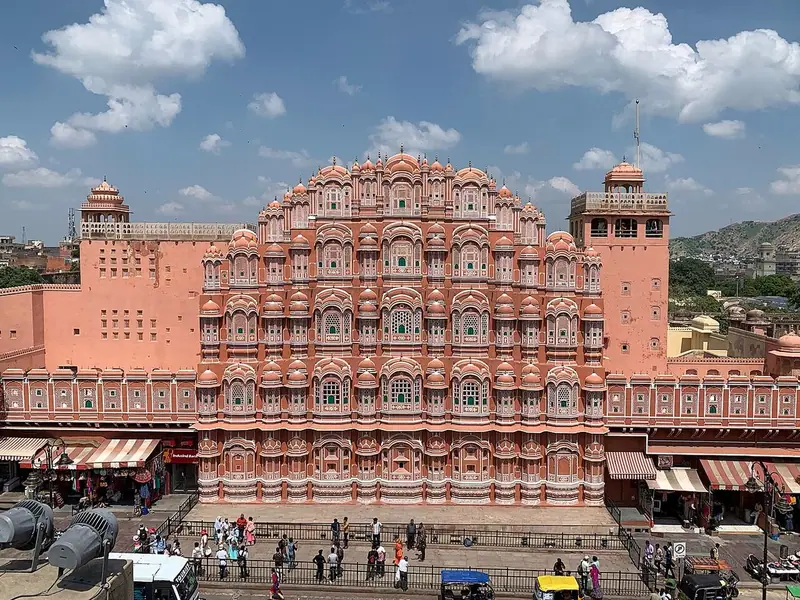 Rajput9 stops · 1727 – 1734 (city founded; observatory completed)
The planned pink city of Maharaja Sawai Jai Singh II, with its palace, bazaars and Palace of Winds, and the giant stone instruments of his Jantar Mantar observatory.
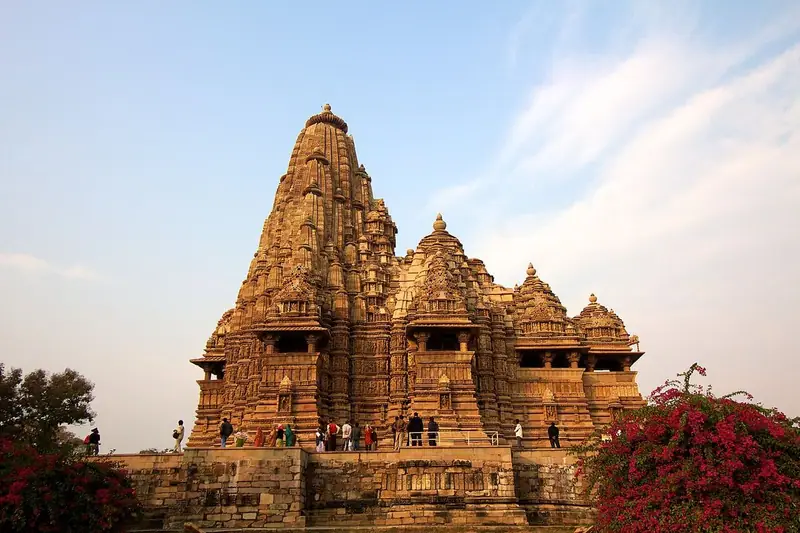 Chandela7 stops · c. 950–1050 CE
Circle the soaring sandstone temples of Khajuraho, their walls covered with thousands of carved gods, celestial maidens, musicians and loving couples.
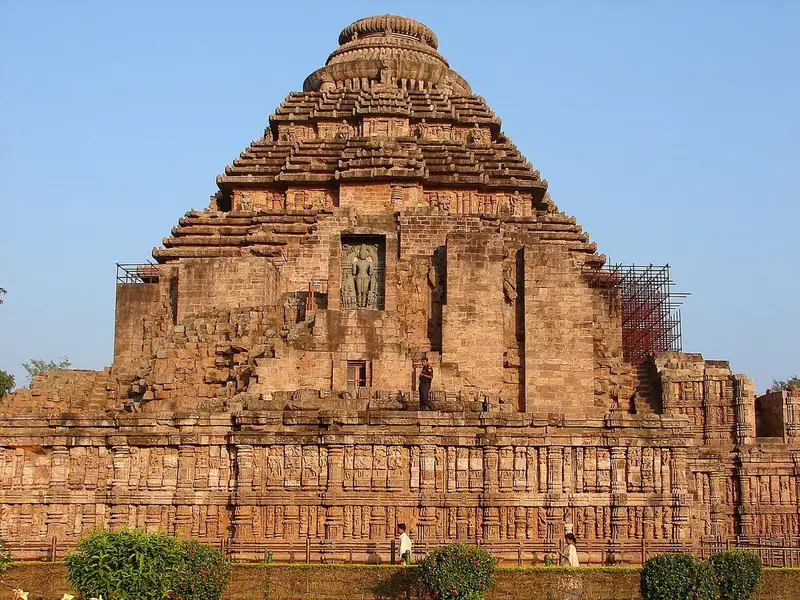 Eastern Ganga7 stops · c. 1250 CE
The sun god’s colossal stone chariot by the Bay of Bengal, with its twelve pairs of carved wheels and team of seven horses.
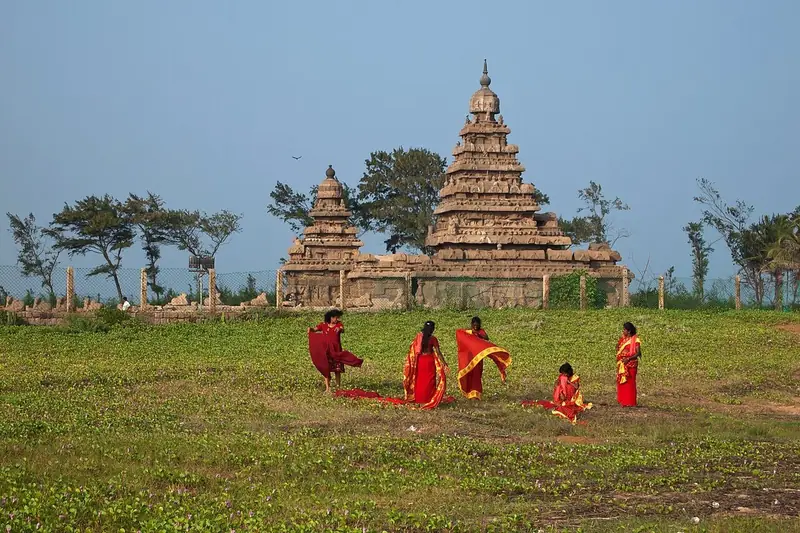 Pallava7 stops · 6th–9th century CE
Explore the Pallavas’ cave temples, monolithic rathas and the great relief of Arjuna’s Penance, then the Shore Temple at the edge of the sea.
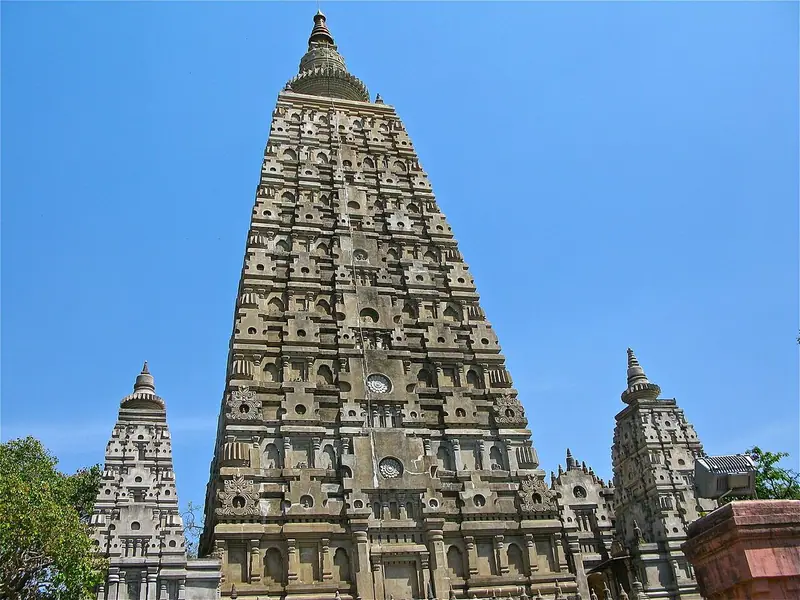 Gupta and Pala9 stops · 5th – 6th century CE (present temple)
The temple at Bodh Gaya marking the place where the Buddha is said to have attained enlightenment, one of the earliest brick temples in India, beside a descendant of the Bodhi Tree.
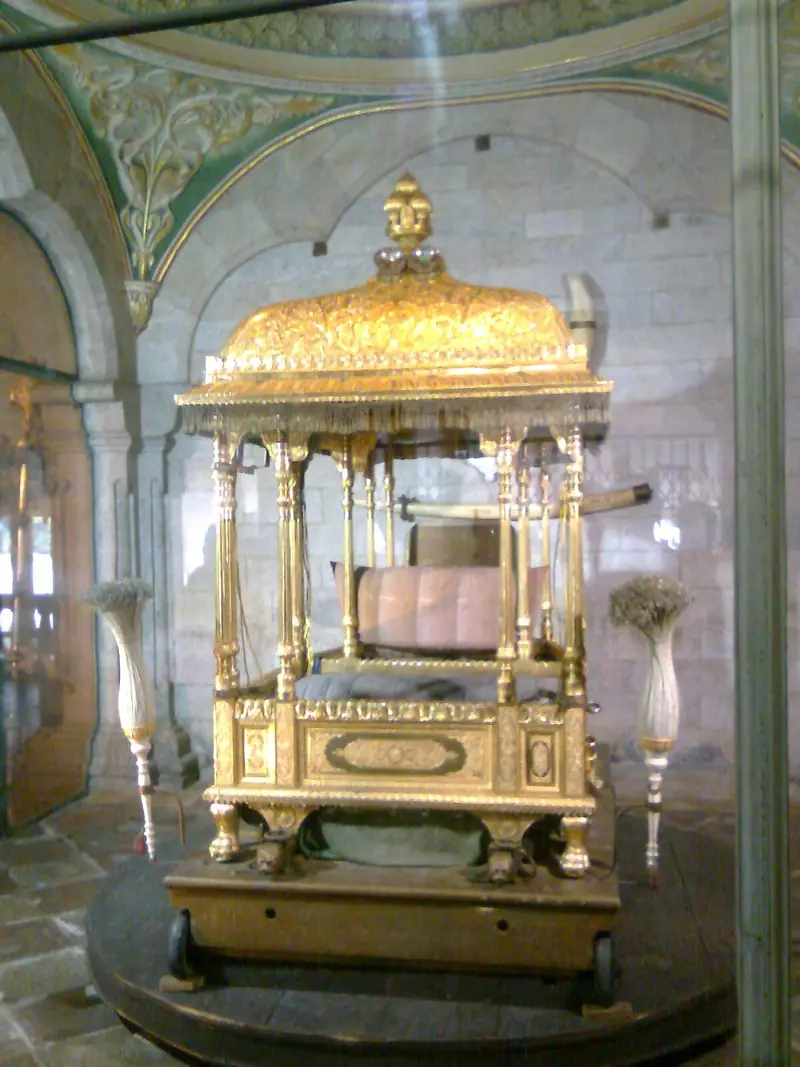 Kingdom of Mysore8 stops · Kingdom of Mysore
Cross the grounds to the golden-domed palace of the Wadiyar kings, through the dolls’ pavilion and marriage hall to the two durbar halls.
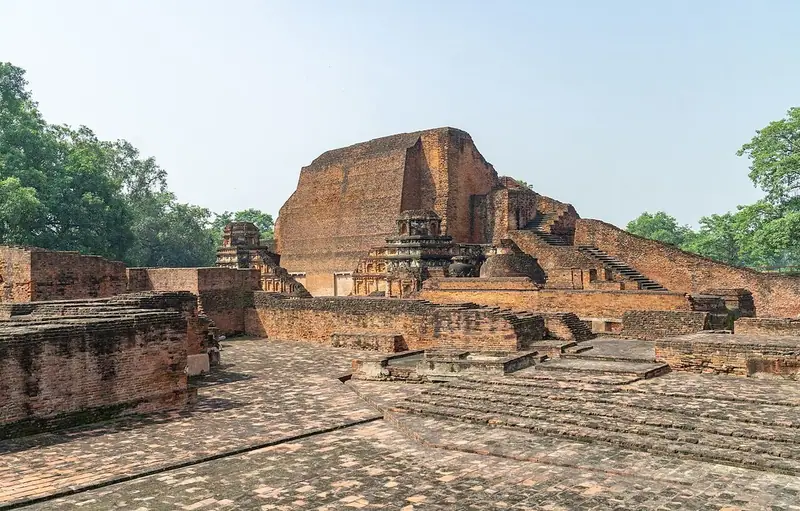 Gupta and Pala9 stops · 5th – 12th century CE
The excavated monasteries and temples of the great Buddhist monastic university of Nalanda, a centre of learning for some eight centuries.
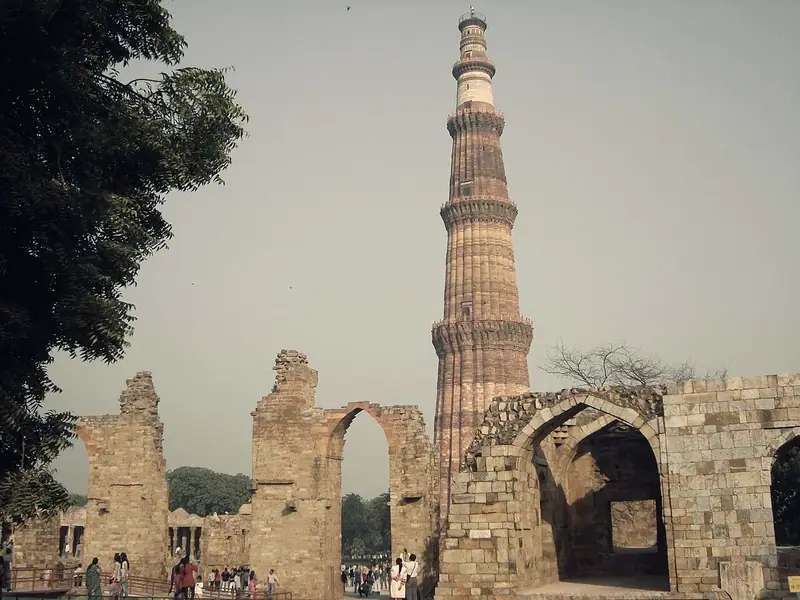 Delhi Sultanate7 stops · 1192–1316
The fluted Qutb Minar, the ancient Iron Pillar and the ruins of the first great mosque built in Delhi.
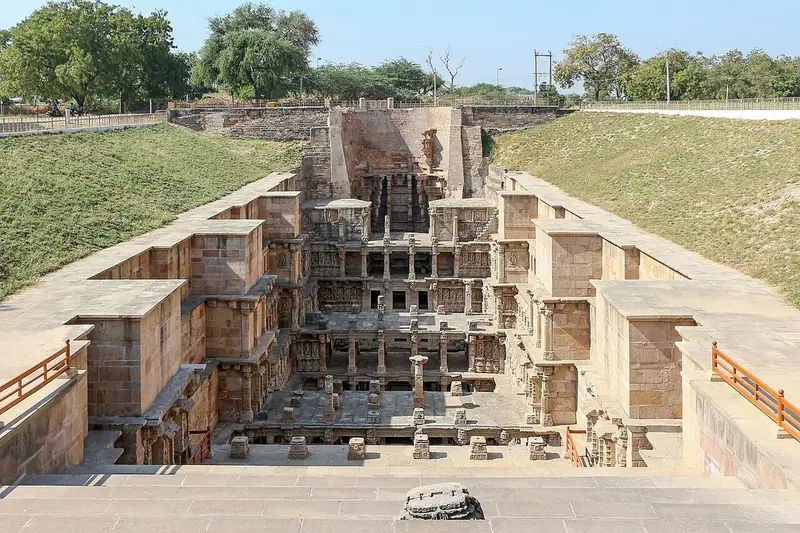 Chaulukya8 stops · 11th century CE
The Queen’s Stepwell at Patan: an inverted temple descending seven levels to the water, lined with Vishnu’s avatars, goddesses and celestial women, with the Sahasralinga Tank nearby.
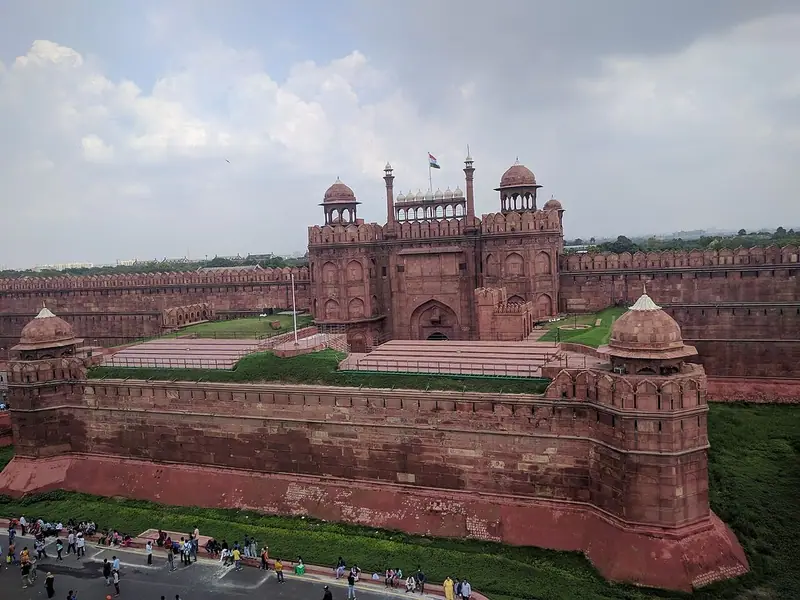 Mughal8 stops · 1639–1648
Through the Lahori Gate to the halls of public and private audience in Shah Jahan’s palace-fortress.
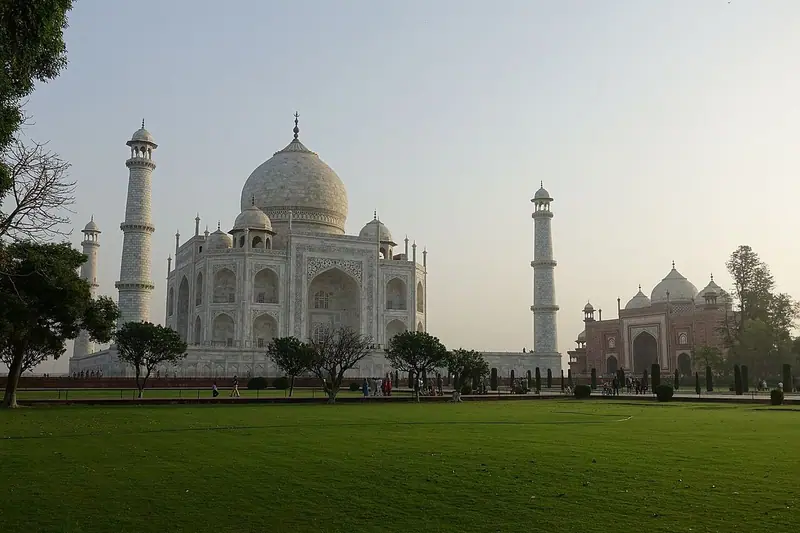 Mughal7 stops · 1632–1653
Through the Great Gate and the garden to the white marble tomb, then round to the riverside terrace.
The Historian Guide
We’re putting the finishing touches to secure checkout. If you’d like to hear the moment it opens, email hello@thehistorianguide.com and we’ll let you know at launch.
In the meantime, every guide page has a free preview: the first stop, with its audio.
When you buy, you agree to our Terms of Sale and Refund Policy. Because guides are delivered instantly, change-of-mind refunds aren’t available once a guide has been downloaded or accessed.