Guides
GreeceGuides to 15 historic sites
Temples, theatres and oracles
15 guides availableByzantineGreekKnights HospitallerMacedonianMinoanMycenaeanRoman
Acropolis of Athens. Photo: Jebulon · CC0 · Wikimedia Commons
Temples, theatres and oracles
From the Acropolis to the sanctuaries of the gods, Greece holds the places where theatre, philosophy and democracy began. Our Greece guides bring each ruin back to the people who built it.
The Eastern Roman Empire, ruled from Constantinople for over a thousand years.
City-states of temples, theatres and oracles, from Homer’s age to the Roman conquest, whose ideas still shape the world.
The military Order of St John, which ruled Rhodes from 1309 to 1522 and walled its town.
The Greek kingdom of Philip II and Alexander the Great, ruled from Aigai and later Pella.
Bronze Age Crete and the Aegean islands: palace builders, seafarers and painters of vivid frescoes.
The warrior kings of Bronze Age mainland Greece, who wrote an early Greek in Linear B.
From a city on the Tiber to an empire around the Mediterranean, Rome left temples, roads and theatres from Britain to the Beqaa Valley.
The 15 Greece guides, plus every guide in our other countries and every one we add later. One payment, no subscription.
World Pass holders may also request a site they’d love to see covered: simply write to hello@thehistorianguide.com.
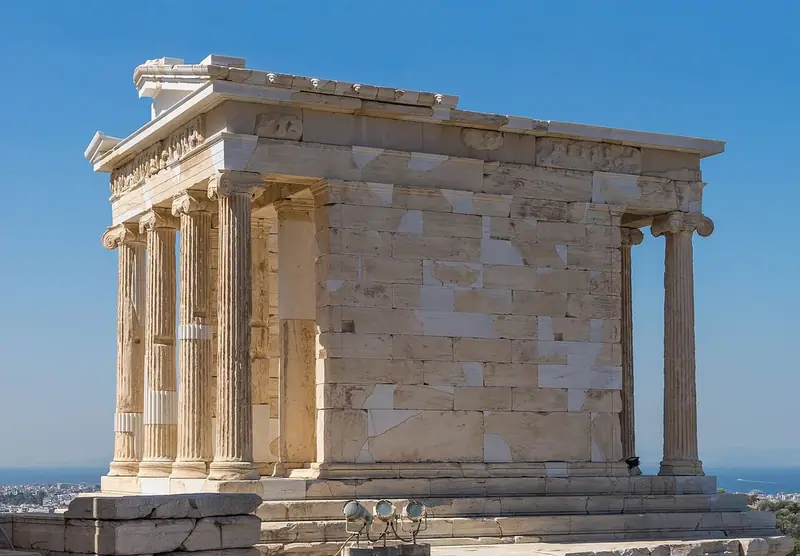
Greek7 stops · 5th century BCEClimb through the Propylaia to the Parthenon and the Erechtheion, on the rock that has crowned Athens for three thousand years.
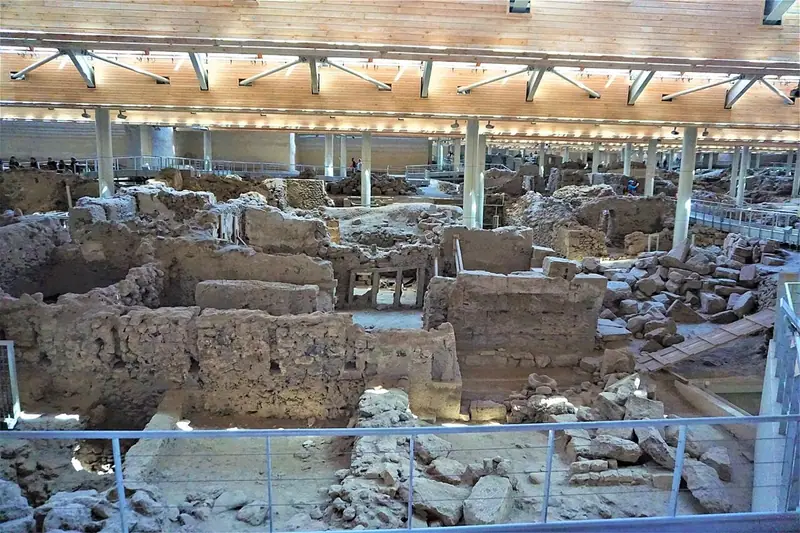 Minoan7 stops · c. 2000–1600 BCE
The streets of a Bronze Age town buried by Santorini’s volcano, preserved beneath a great modern roof.
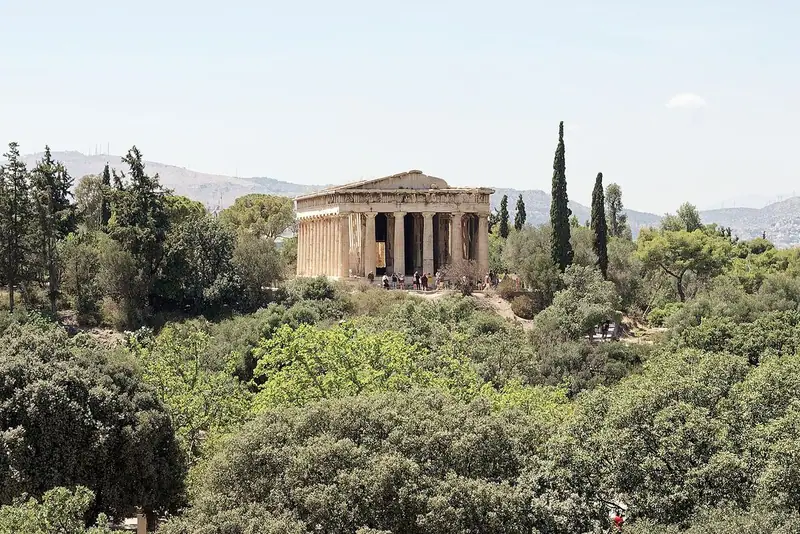 Greek7 stops · 6th century BCE – 2nd century CE
The market square where Athenians shopped, voted and argued, overlooked by the Temple of Hephaestus.
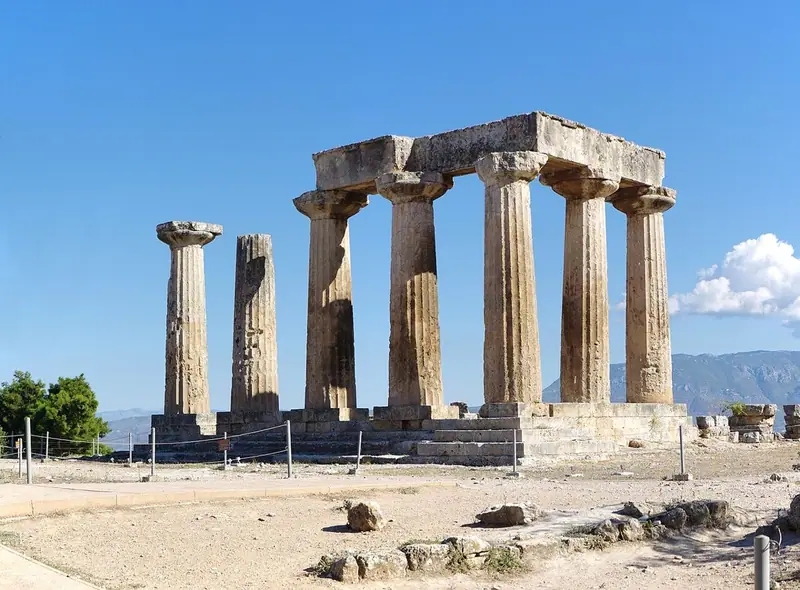 Roman7 stops · 6th century BCE – 4th century CE
The Temple of Apollo, the Roman forum and the Bema, with the great rock of Acrocorinth above.
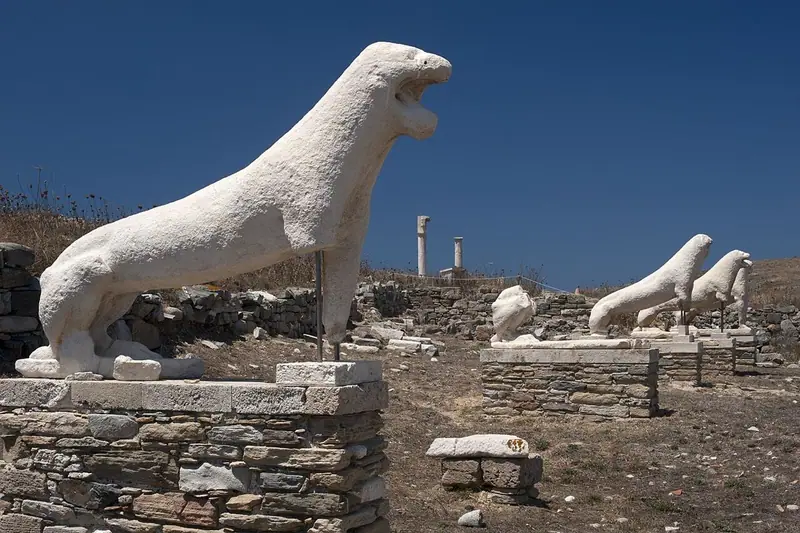 Greek7 stops · c. 800 BCE – 1st century BCE
The sacred island of Apollo: the Terrace of the Lions, mosaic-floored houses and the climb up Mount Kynthos.
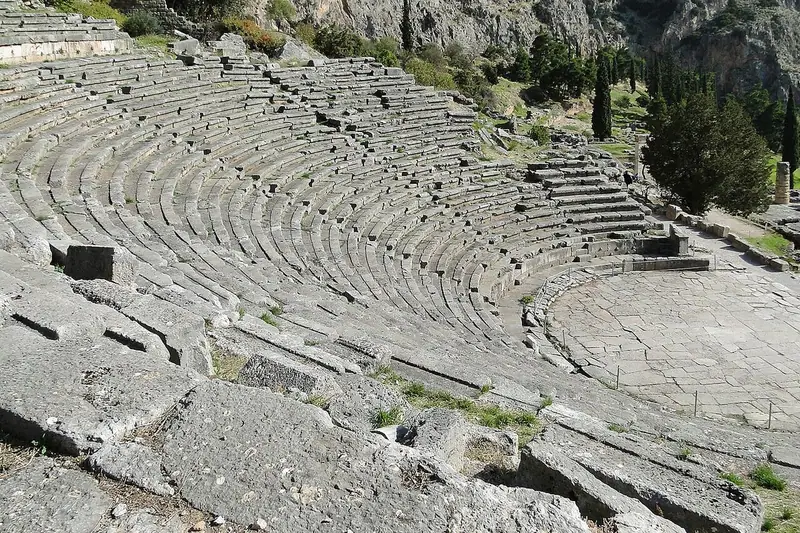 Greek8 stops · 8th century BCE – 4th century CE
Up the Sacred Way past the treasuries to Apollo’s temple, the theatre and the stadium, high on the slopes of Parnassus.
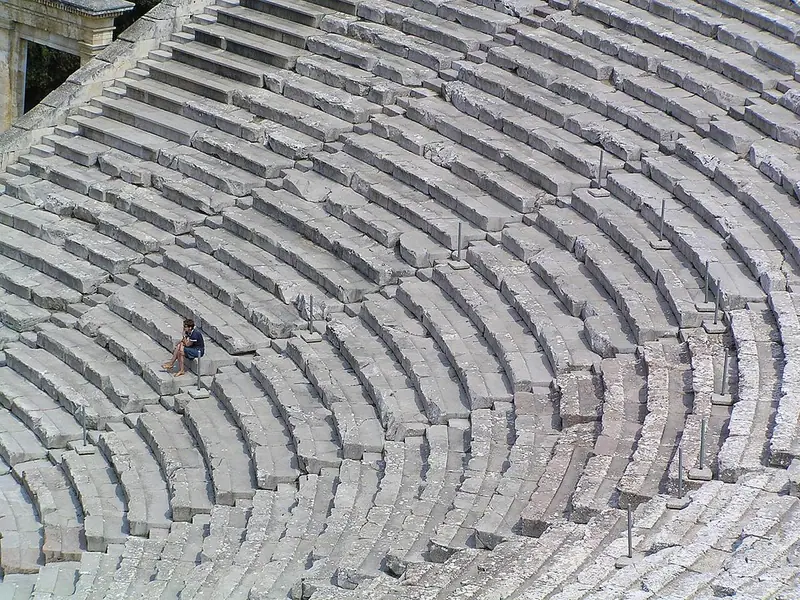 Greek7 stops · 4th century BCE
The healing sanctuary of Asklepios, with its celebrated theatre, stadium and the mysterious Tholos.
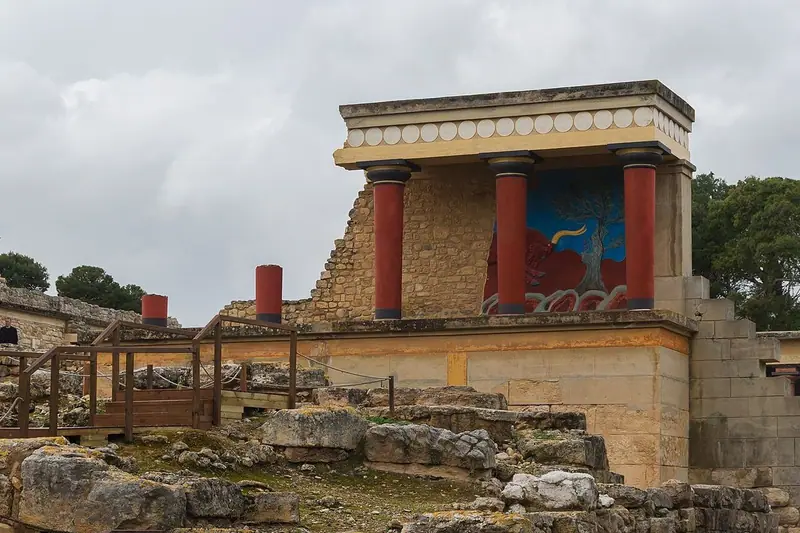 Minoan7 stops · c. 1900–1350 BCE
The labyrinthine palace of Minoan Crete: the Central Court, the Throne Room and the Grand Staircase.
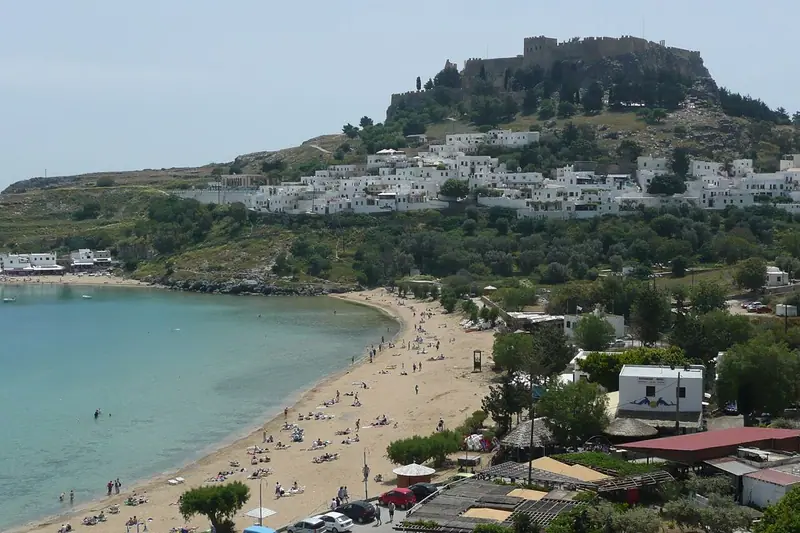 Greek7 stops · 6th century BCE onwards
Up through the white village to the Knights' castle and the Temple of Athena Lindia, high above the sea.
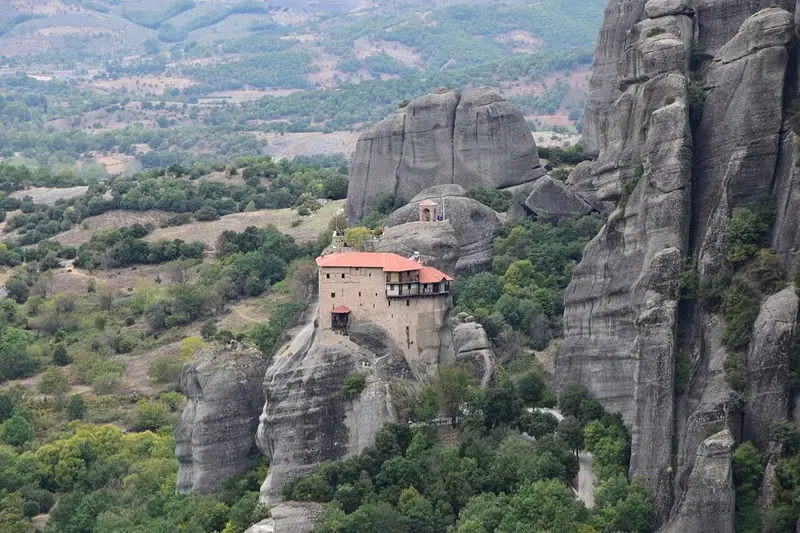 Byzantine6 stops · 14th–16th century
Monasteries perched on sandstone pillars hundreds of metres above the Thessalian plain.
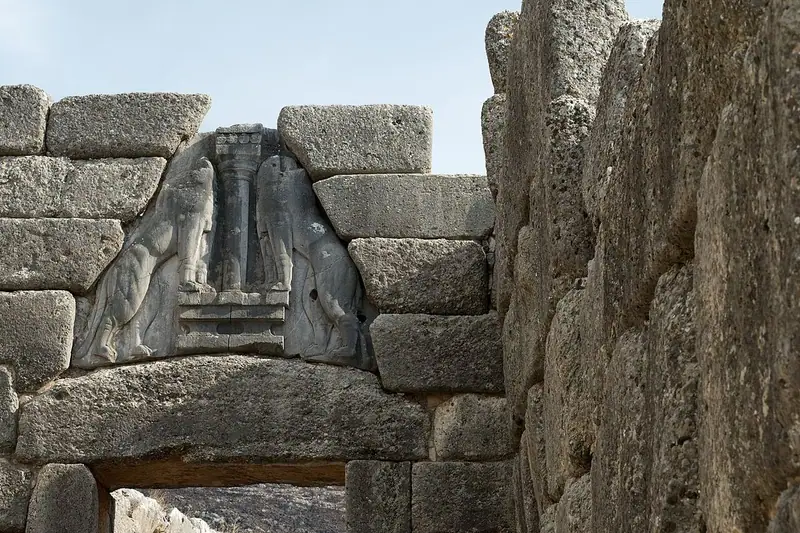 Mycenaean7 stops · c. 1600–1100 BCE
Through the Lion Gate past Grave Circle A to the palace, and out to the vaulted Treasury of Atreus.
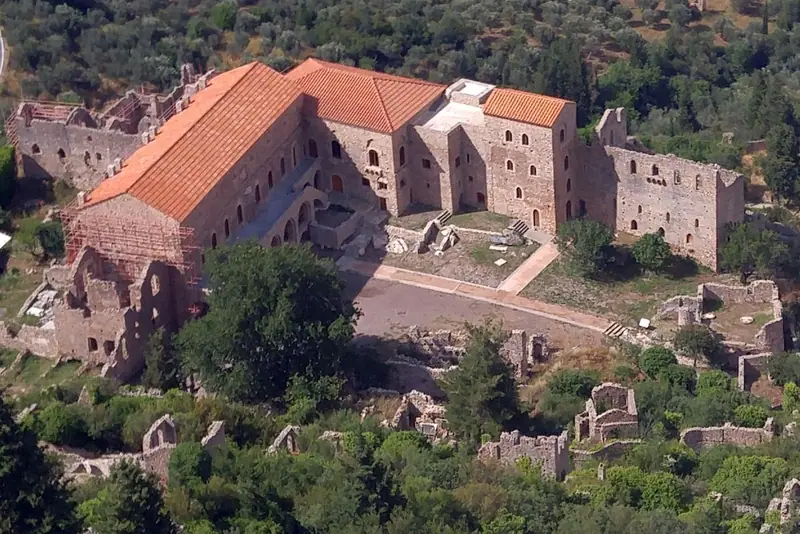 Byzantine7 stops · 1249–1460
A ruined Byzantine city of frescoed churches and the Palace of the Despots, climbing a steep hill near Sparta.
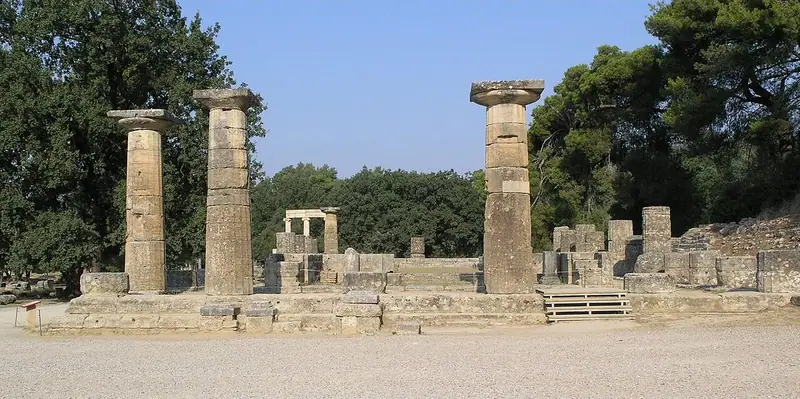 Greek8 stops · 776 BCE – 4th century CE
The stadium of the ancient Games, the workshop of Pheidias and the temples of Hera and Zeus.
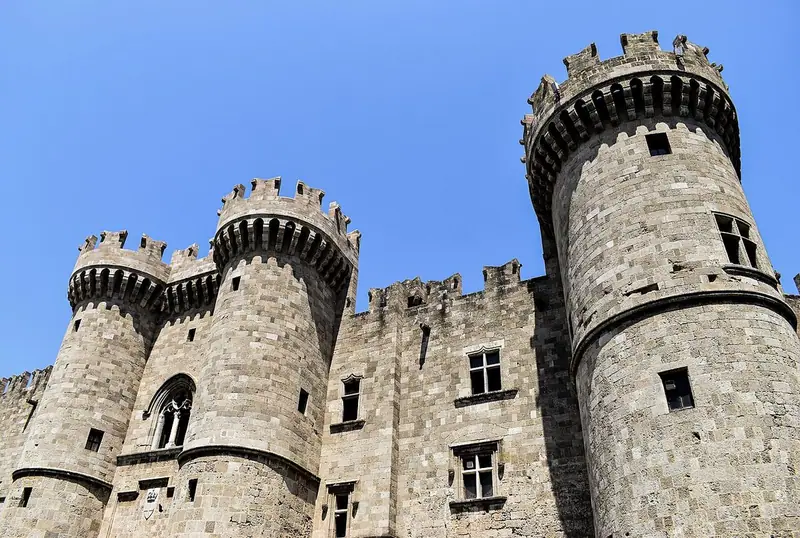 Knights Hospitaller7 stops · 1309–1522
Cross the moat into a walled medieval town, up the Street of the Knights to the Palace of the Grand Master.
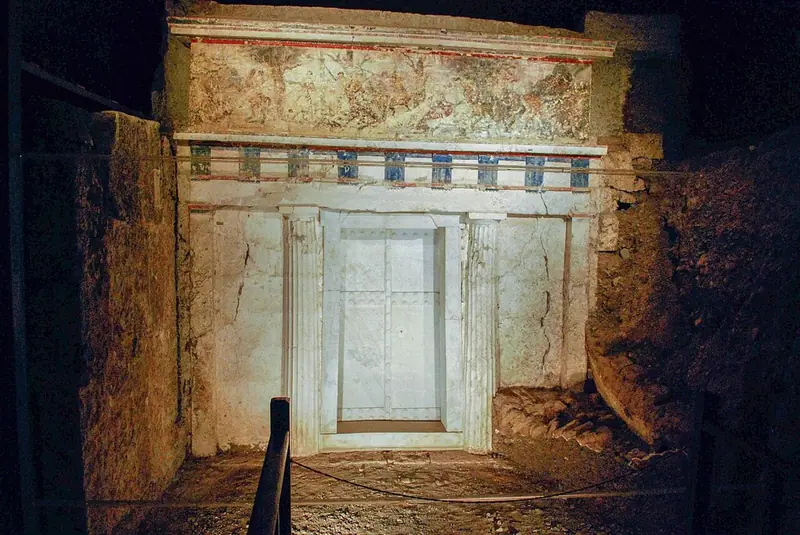 Macedonian8 stops · 4th century BCE
Inside the Great Tumulus, the royal tombs of Aigai and the gold treasures of Philip II of Macedon.
The Historian Guide
We’re putting the finishing touches to secure checkout. If you’d like to hear the moment it opens, email hello@thehistorianguide.com and we’ll let you know at launch.
In the meantime, every guide page has a free preview: the first stop, with its audio.
When you buy, you agree to our Terms of Sale and Refund Policy. Because guides are delivered instantly, change-of-mind refunds aren’t available once a guide has been downloaded or accessed.