Guides to 24 historic sites in United Kingdom: Beaumaris, Blenheim Palace, The British Museum, Caernarfon Castle, Canterbury Cathedral, Conwy Castle and Town Walls, The Cotswolds, Edinburgh Castle, Hadrian’s Wall, Hampton Court Palace, Heart of Neolithic Orkney, The National Gallery, Roman Baths, Royal Museums Greenwich, St Davids, St Paul’s Cathedral, Stirling Castle, Stonehenge, Tower Bridge, Tower of London, The Victoria and Albert Museum, Westminster Abbey, Windsor Castle and York Minster. Each guide is one file with a photo, text and a voice at every stop; download it before you go and it works offline.
Edward I of England and the castles he built to hold Wales.
Britain under the Georgian kings and Queen Victoria, an age of empire, industry and great public museums.
The soaring style of pointed arches, rib vaults and great windows that rose across medieval Europe from the 1140s.
The thousand years between the fall of Rome and the Renaissance.
The kingdom of Scotland, independent from the ninth century until the union with England in 1707.
The first farmers and monument builders, from the hunter-gatherers of Göbekli Tepe to the raisers of Stonehenge.
Descendants of Viking settlers in northern France, who conquered England in 1066 and ringed it with castles.
The dynasty that ruled England from 1154 to 1485, and whose Edward I built castles to hold Wales.
From a city on the Tiber to an empire around the Mediterranean, Rome left temples, roads and theatres from Britain to the Beqaa Valley.
The royal house that ruled Scotland from 1371 and built its finest Renaissance palaces.
The dynasty that rebuilt London after the Great Fire of 1666, the age of Christopher Wren.
England under the Stuart and Georgian monarchs.
England’s dynasty from Henry VII to Elizabeth I, an age of Reformation and royal building.
Medieval Wales and the cult of its patron, Saint David.
The 24 United Kingdom guides, plus every guide in our other countries and every one we add later. One payment, no subscription.
World Pass holders may also request a site they’d love to see covered: simply write to hello@thehistorianguide.com.
Edwardian8 stops · 1295–1330Explore Edward I’s never-finished castle at the entrance to the Menai Strait, one of the most perfectly planned in Europe, then the old gaol and pier.
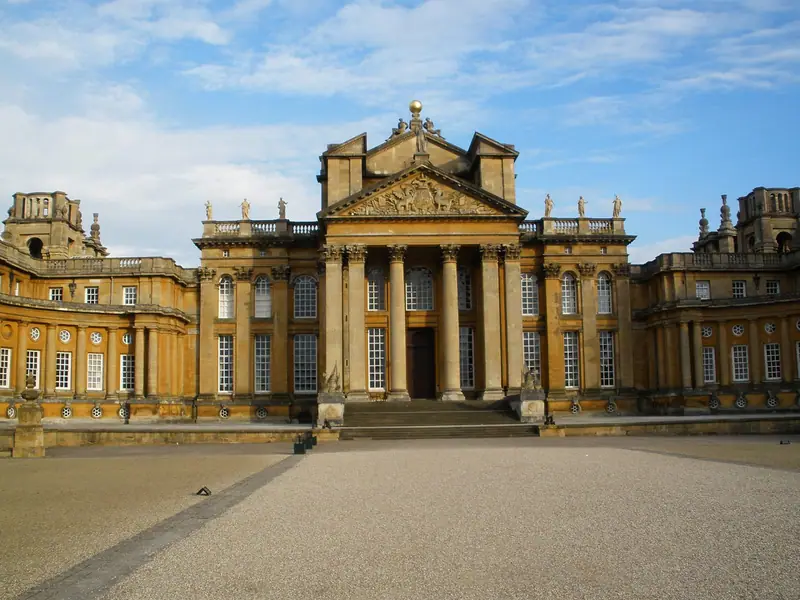
Stuart and Georgian England9 stops · 1705 – 1722 (construction)The Baroque palace built for the Duke of Marlborough after the Battle of Blenheim, birthplace of Winston Churchill, set in a landscape park by Capability Brown.
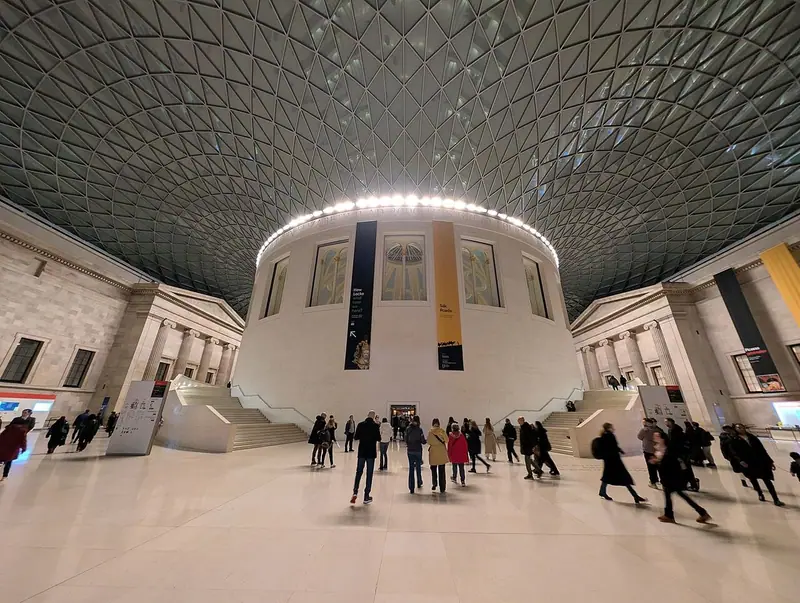
Georgian and Victorian Britain8 stops · Georgian and VictorianPass the portico and the Great Court to the Rosetta Stone, the winged bulls of Assyria, the Parthenon Sculptures and the Lewis Chessmen.
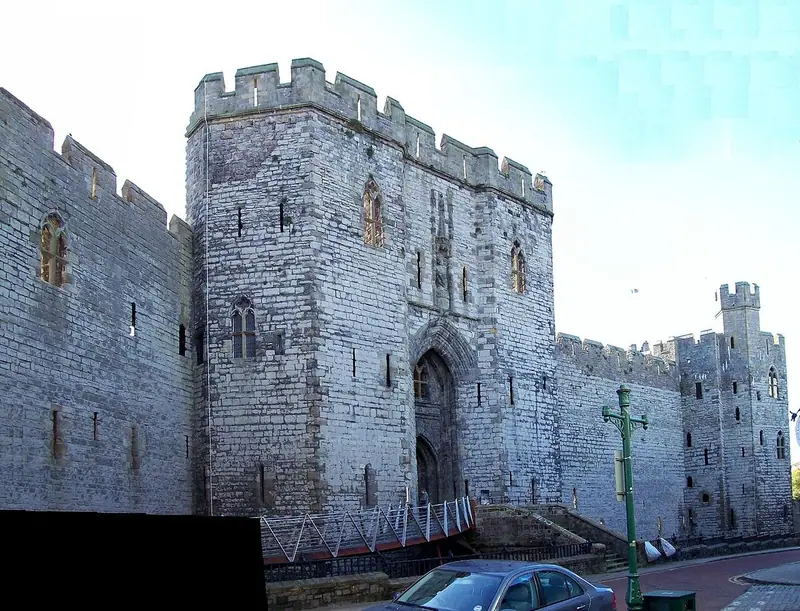
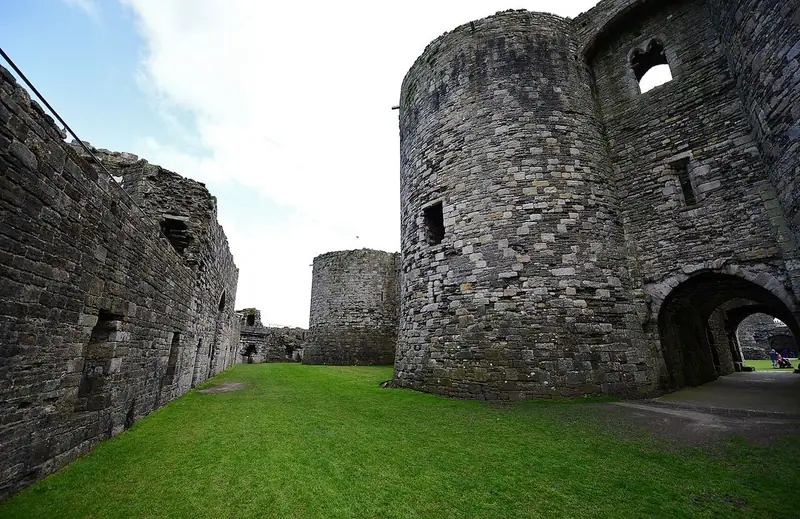
Plantagenet7 stops · 1283–1330Edward I’s fortress-palace on the Menai Strait, with its banded walls and the Eagle Tower.
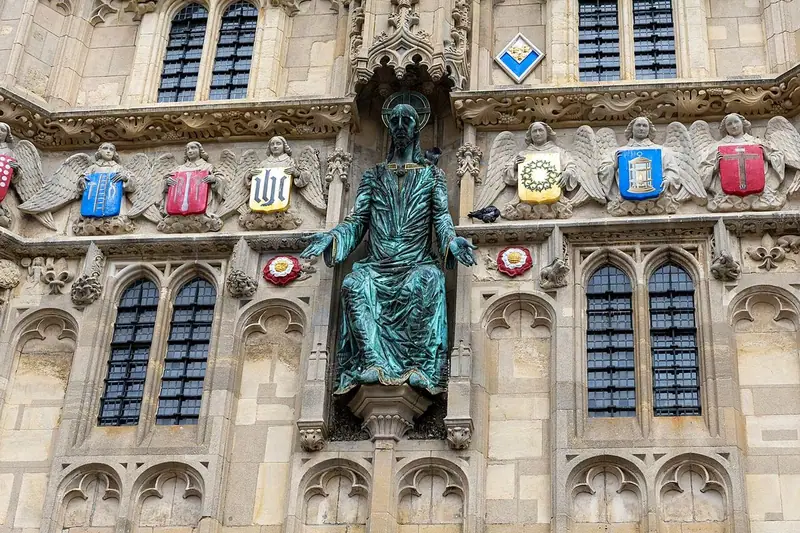
Gothic8 stops · 1070–1503Stand where Thomas Becket was murdered, then descend to the crypt and rise to the Trinity Chapel.
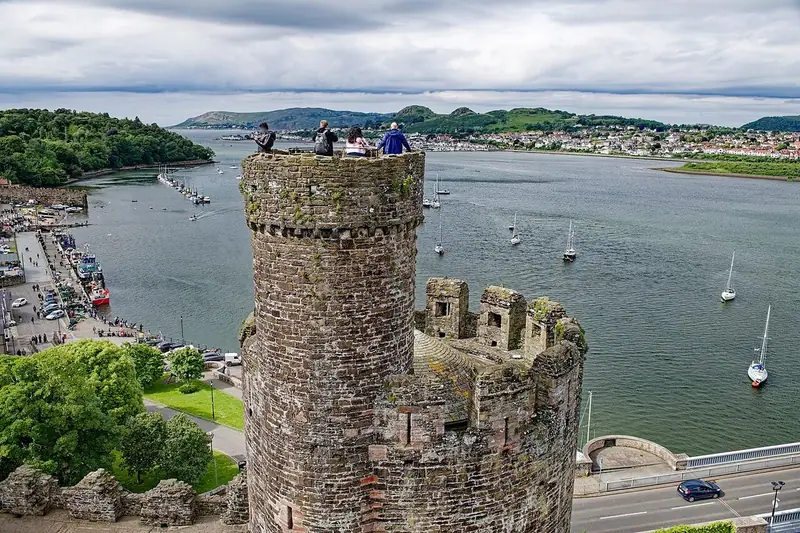
Plantagenet8 stops · 1283–1289The walls of one of Europe’s finest medieval walled towns, and the mighty castle of Edward I above the River Conwy.
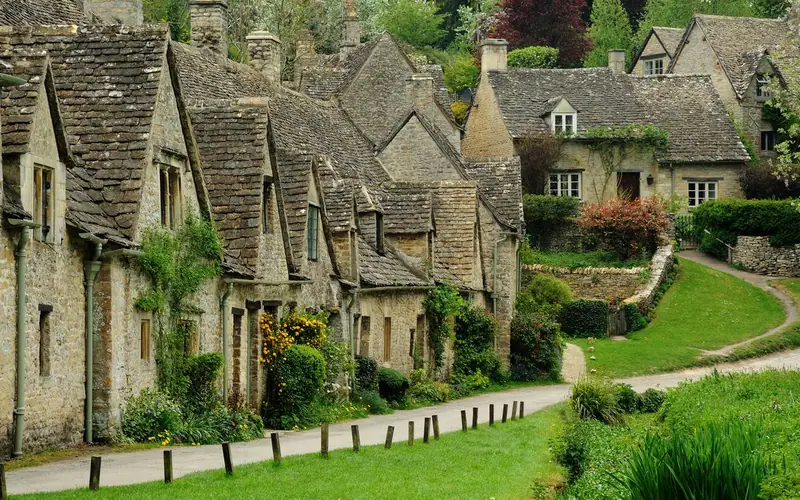
Medieval12 stops · 11th–17th centuryDrive north through the honey-coloured wool towns of the Cotswolds, from Arlington Row in Bibury through Burford, Bourton-on-the-Water, Stow-on-the-Wold and Chipping Campden to Broadway Tower and Broadway.
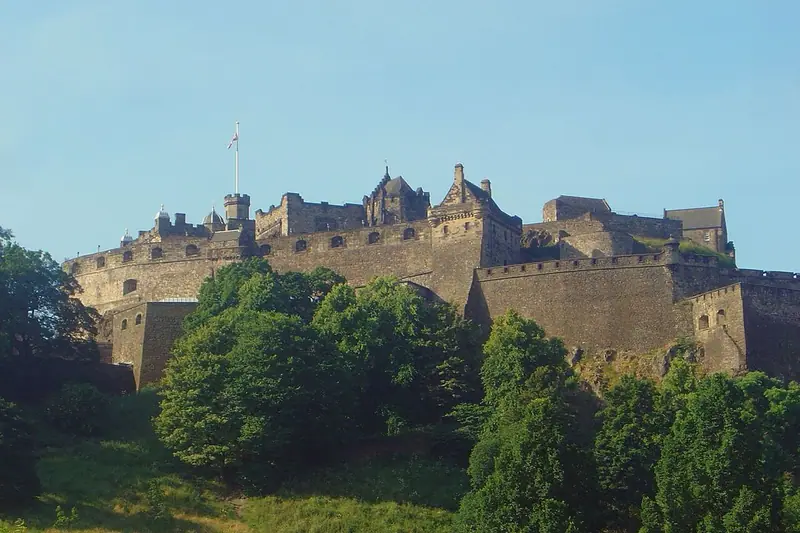
Medieval Scottish8 stops · 12th–18th centuryThrough the Portcullis Gate to St Margaret’s Chapel, Mons Meg and the Honours of Scotland, on top of an ancient volcano.
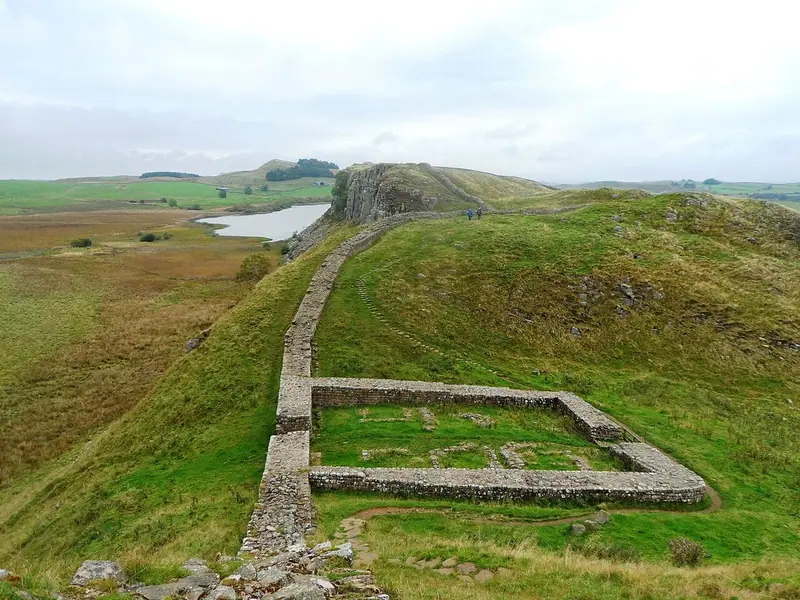
Roman8 stops · 122 – c. 410 CEThe Roman frontier across northern England, with its forts, milecastles and earthworks, from Corbridge and Chesters to Housesteads, Vindolanda and Birdoswald.
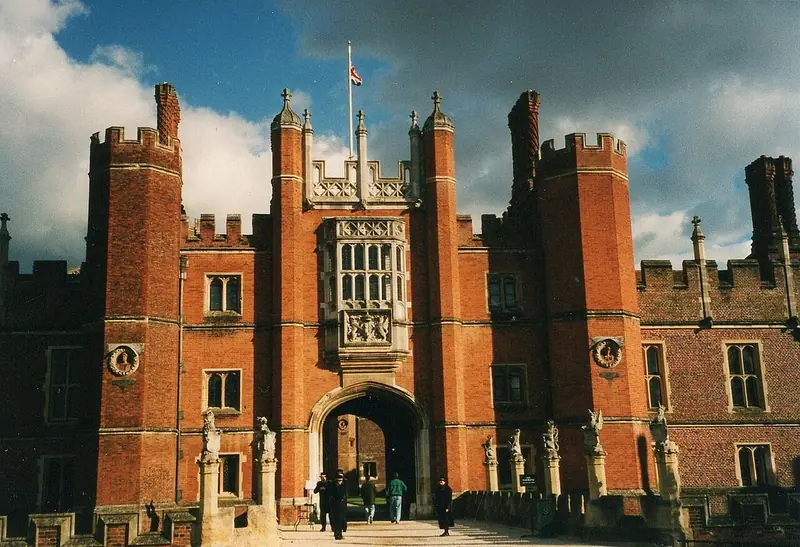
Tudor8 stops · 1515–1700Henry VIII’s Great Hall, the Tudor Kitchens and the Haunted Gallery, then out to the Privy Garden and the maze.
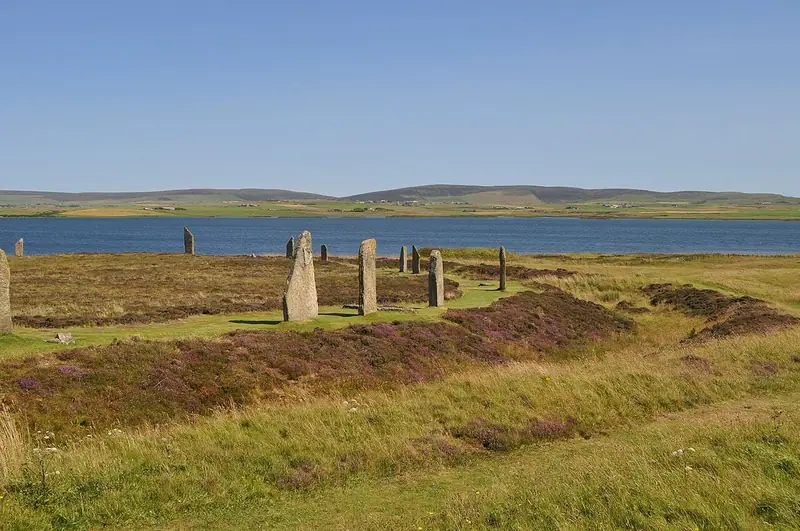
Neolithic9 stops · c. 3200 – 2000 BCESkara Brae’s stone houses, the chambered cairn of Maeshowe and its Norse runes, the Stones of Stenness, the Ness of Brodgar and the great Ring of Brodgar.
Georgian and Victorian Britain8 stops · Georgian eraClimb the portico on Trafalgar Square to the Arnolfini Portrait, The Ambassadors, the Rokeby Venus, Turner, Constable and Sunflowers.
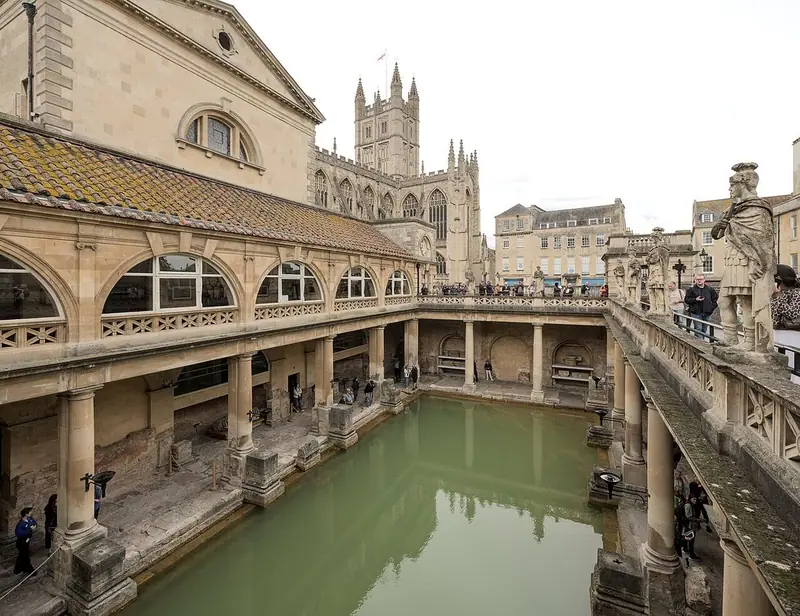
Roman7 stops · c. 60–4th century CEHot water still flows from the Sacred Spring into the Great Bath, watched over by the head of Minerva.
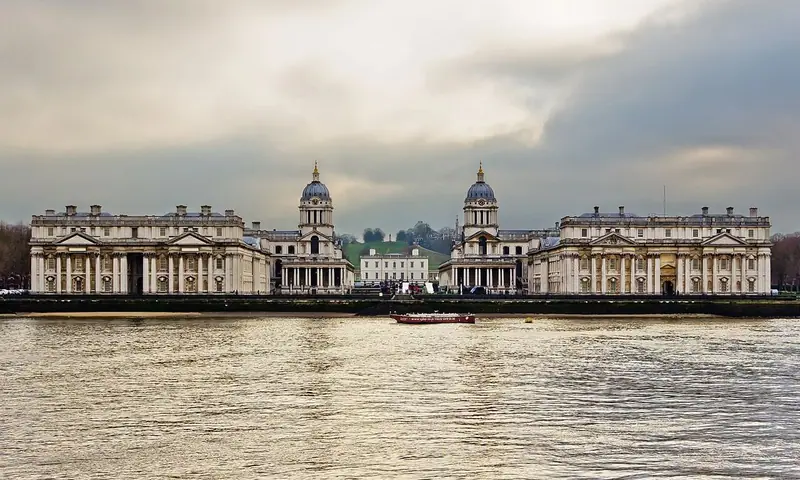
Stuart and Georgian England8 stops · Stuart periodFrom the Cutty Sark through the Painted Hall and the Queen’s House, then up Greenwich Park to the Royal Observatory and the Prime Meridian.
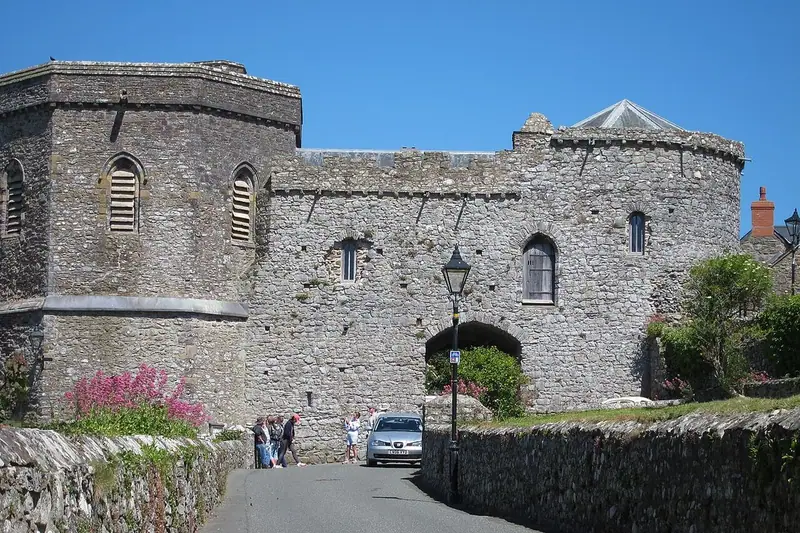
Welsh8 stops · 6th century – 1540Pass through the Tower Gate into the close of Britain’s smallest city, to the shrine of Saint David, the Bishop’s Palace and St Non’s Chapel by the sea.
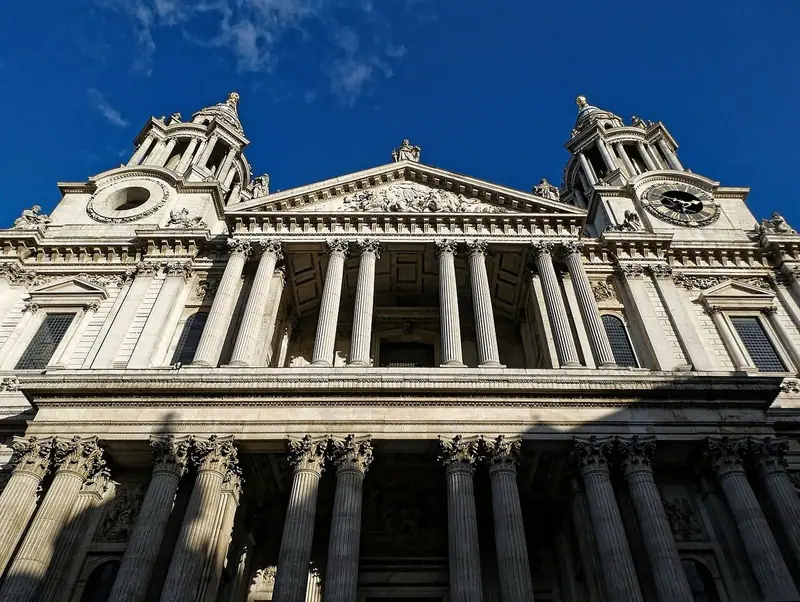
Stuart8 stops · 1675–1710Wren’s masterpiece: beneath the dome, up to the Whispering Gallery and the Golden Gallery, and down to the crypt.
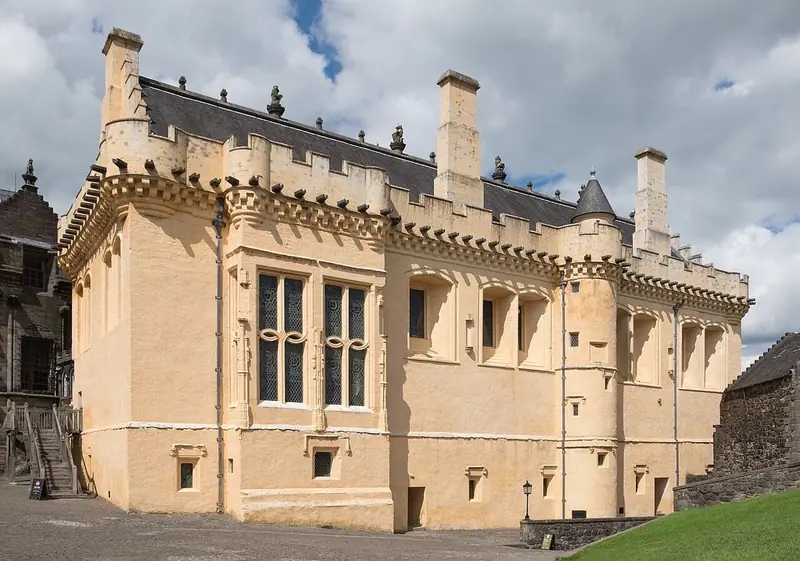
Stewart7 stops · c. 1496–1594The Great Hall, the Royal Palace and the carved Stirling Heads, on a volcanic crag above the old town.
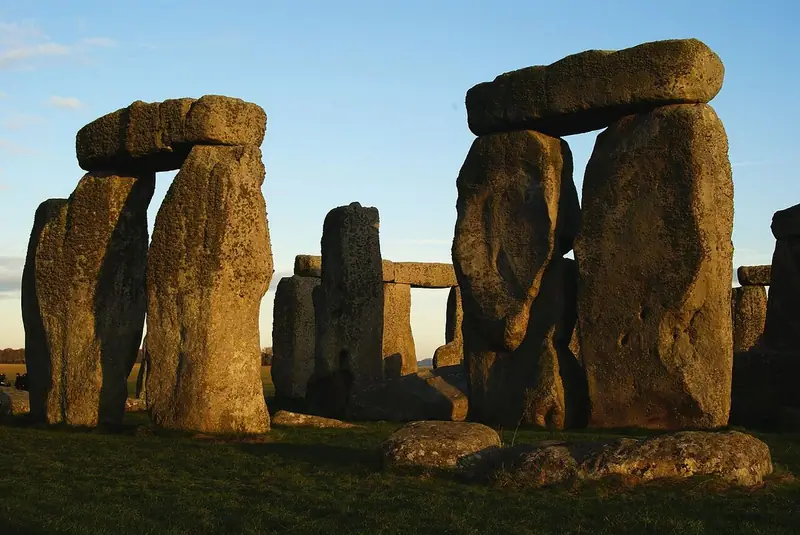
Neolithic8 stops · c. 3000–1500 BCEThe Heel Stone, the sarsen circle and the trilithons, set in a landscape of ancient burial mounds.
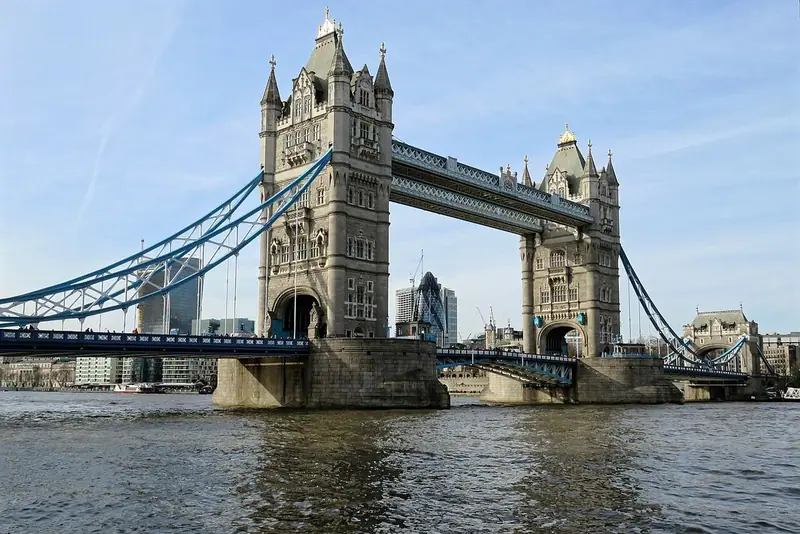
Georgian and Victorian Britain8 stops · Victorian GothicLook at the bridge from the north bank, then climb inside the towers to the high walkways and glass floors and down to the Victorian engine rooms.
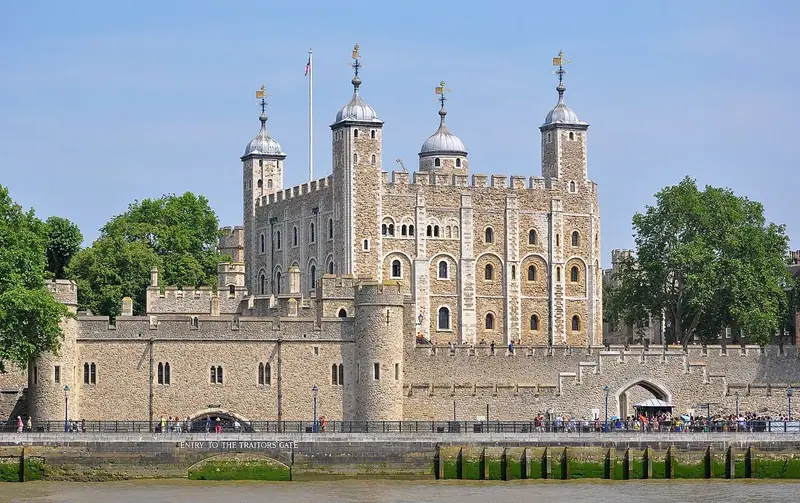
Norman8 stops · from 1078Traitors' Gate, the White Tower and the Crown Jewels, then a walk on the walls with the ravens.
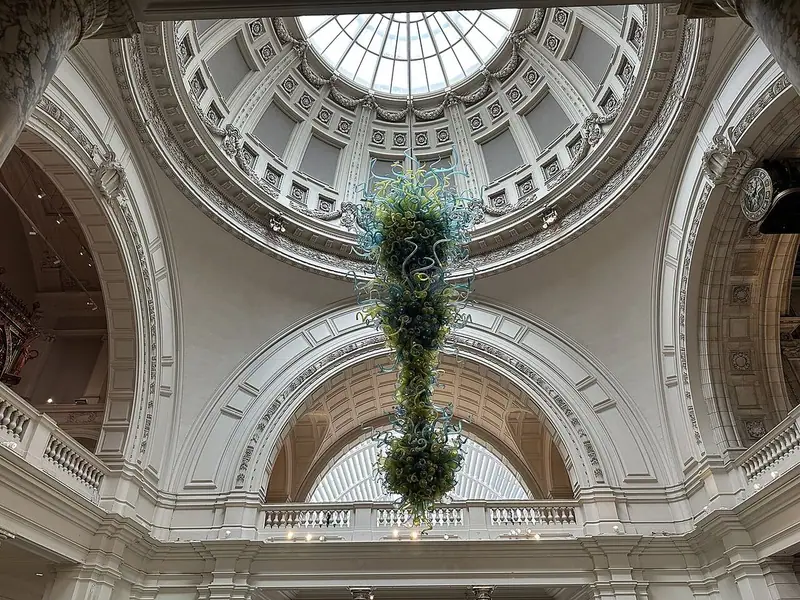
Georgian and Victorian Britain8 stops · Victorian eraPass under the glass chandelier to the Cast Courts, the Raphael Cartoons, the Ardabil Carpet and the Great Bed of Ware.
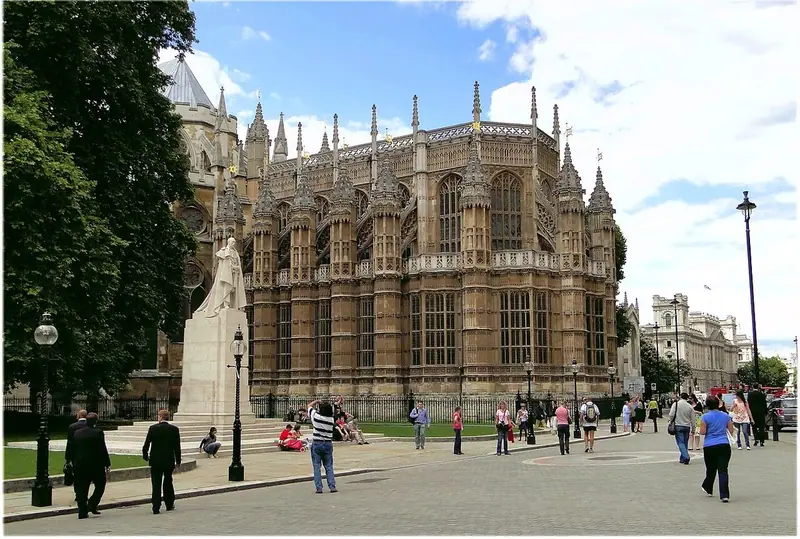
Gothic7 stops · 1245–1519The shrine of Edward the Confessor, the Cosmati Pavement, Poets' Corner and the grave of the Unknown Warrior.
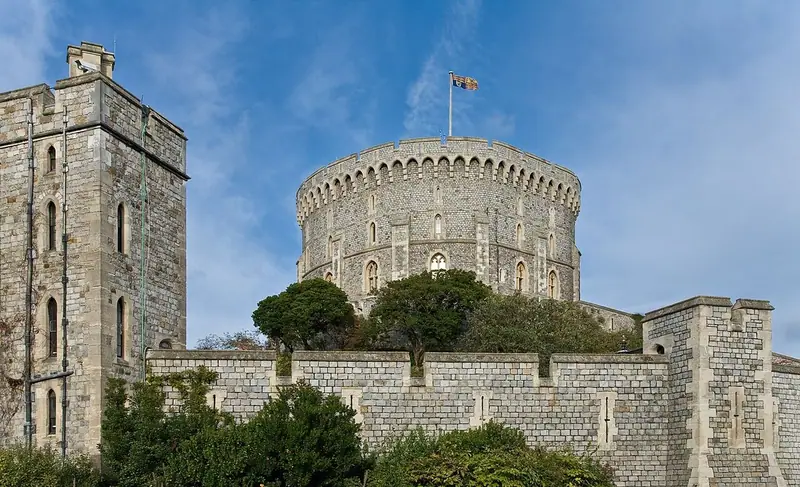
Norman8 stops · from c. 1070The Round Tower, Queen Mary’s Dolls' House, the State Apartments and St George’s Chapel.
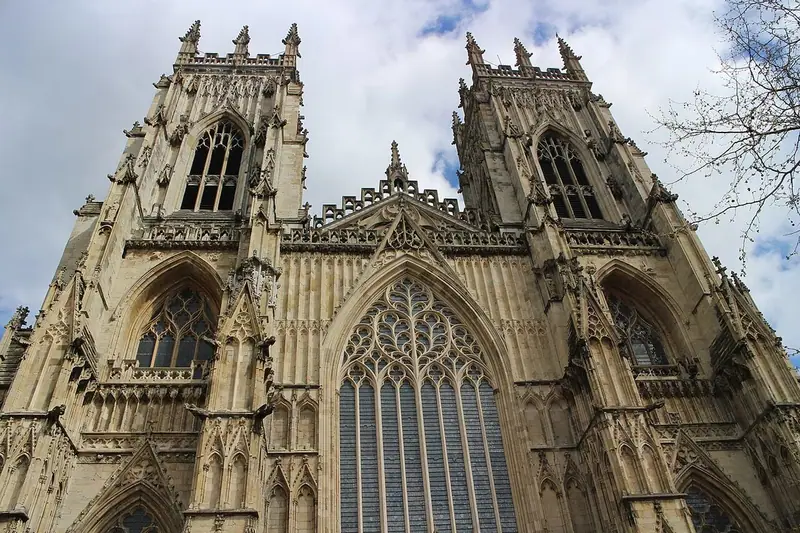
Gothic8 stops · 1220–1472The Five Sisters Window, the Chapter House and the Great East Window, then down to the undercroft.
The Historian Guide
We’re putting the finishing touches to secure checkout. If you’d like to hear the moment it opens, email hello@thehistorianguide.com and we’ll let you know at launch.
In the meantime, every guide page has a free preview: the first stop, with its audio.
When you buy, you agree to our Terms of Sale and Refund Policy. Because guides are delivered instantly, change-of-mind refunds aren’t available once a guide has been downloaded or accessed.