
Chichén Itzá · Mexico
Guides to the world’s great historic sites
Historic sites around the world. The history ahead of time, and at every step.
Works offline. No app needed.
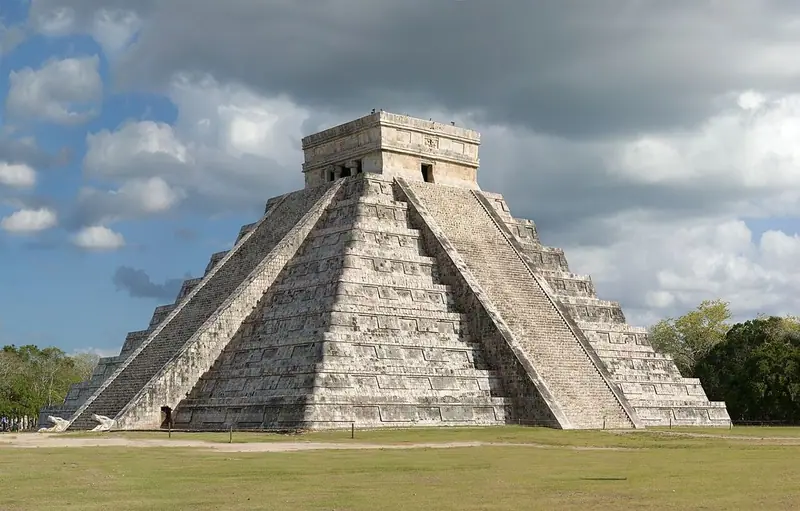
Chichén Itzá. Photo: Fcb981 · CC BY-SA 3.0 · Wikimedia Commons
Historic sites around the world. The history ahead of time, and at every step.
Works offline. No app needed.
Every carved mask, fallen column and worn stair has a story. We tell it stop by stop, in visit order.
One web page you save to your phone. It opens in any browser, iPhone or Android, with nothing to install or sign into.
Download the file before you go (Wi-Fi is best) and the photos, text and audio are all on your phone. Ruins rarely have signal; once it’s saved, you won’t need it.
Every stop combines a photo, a short story and audio. Look up, read on, or press play and a calm voice talks you through what you’re looking at.
Each guide opens with the civilisation that built the place: who they were, what they believed, how it ended.
Every country page lists its guides. The World Pass covers them all.
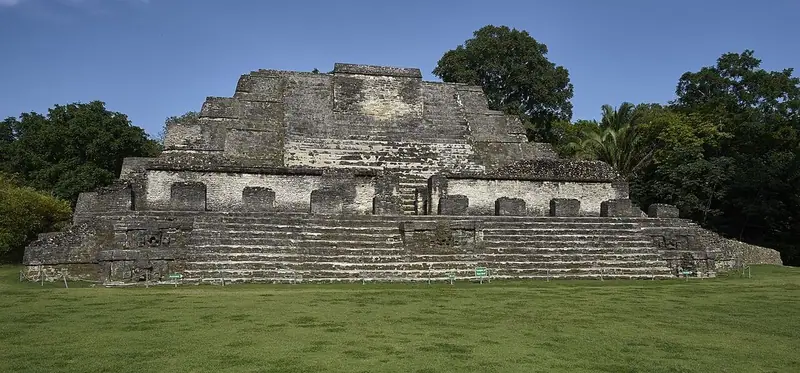
The cities of the Maya, and beyond

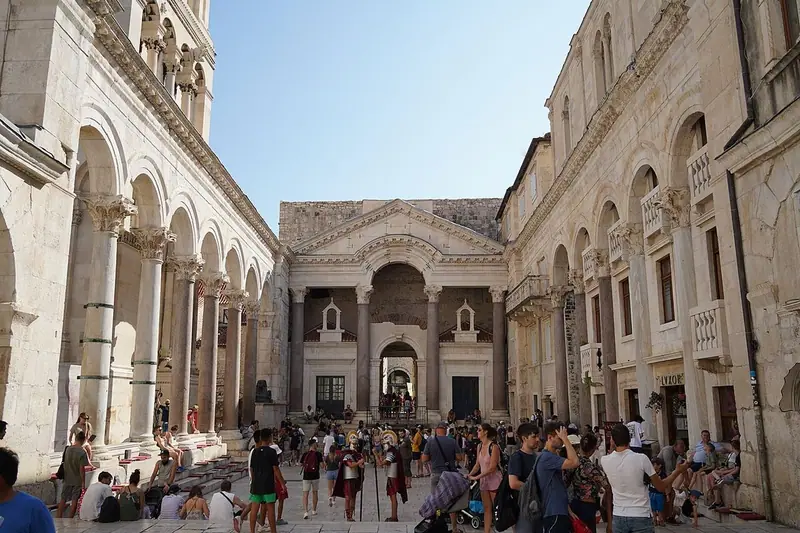
Rome, Pompeii and the world they made
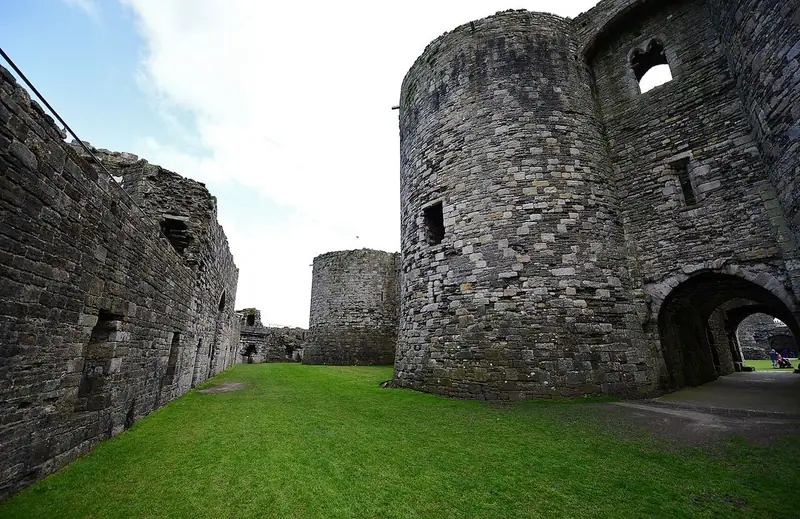




Where empires met
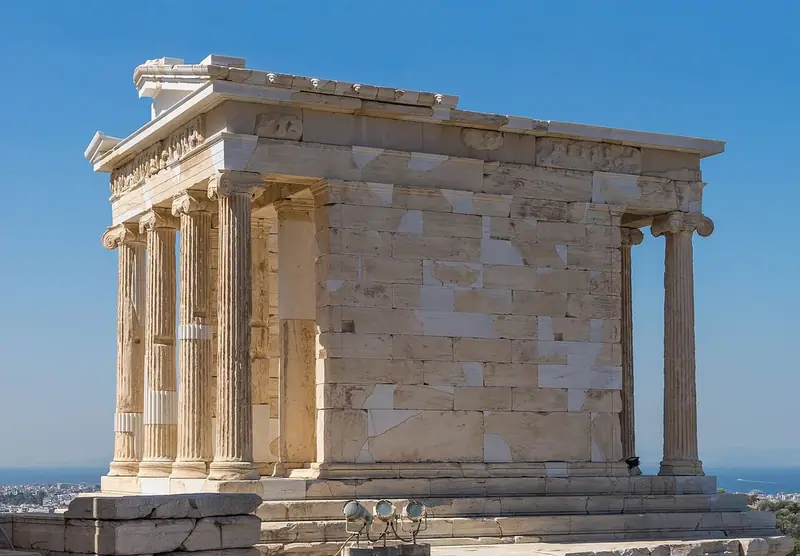
Temples, theatres and oracles



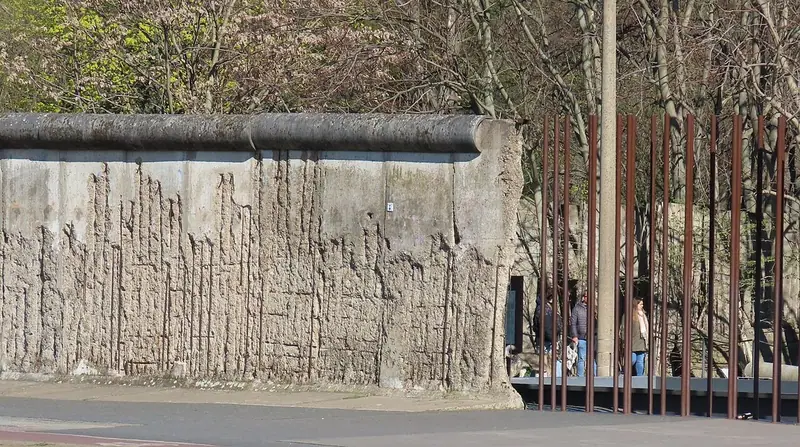

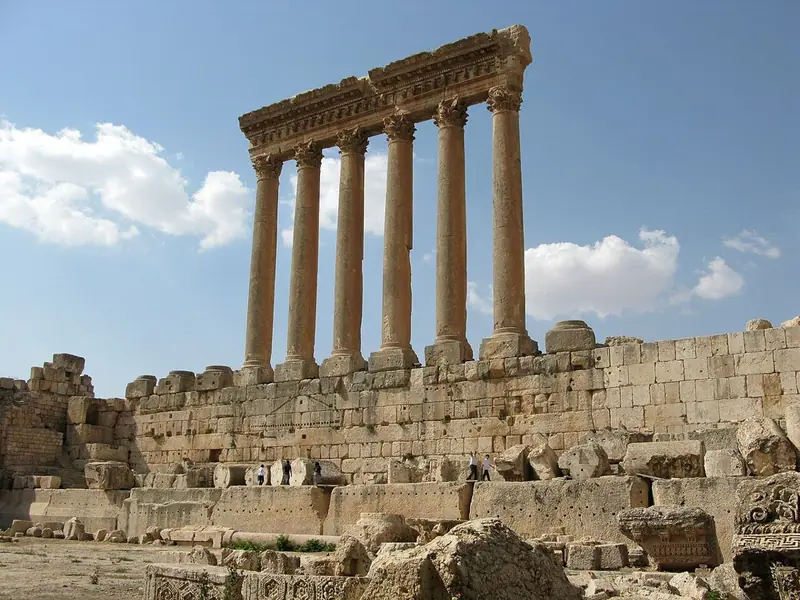
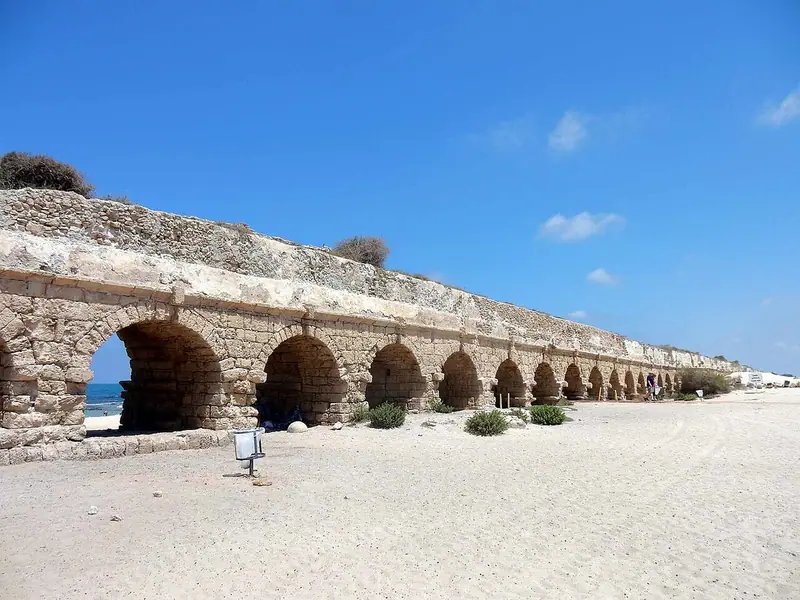
Phoenician roots, Roman giants




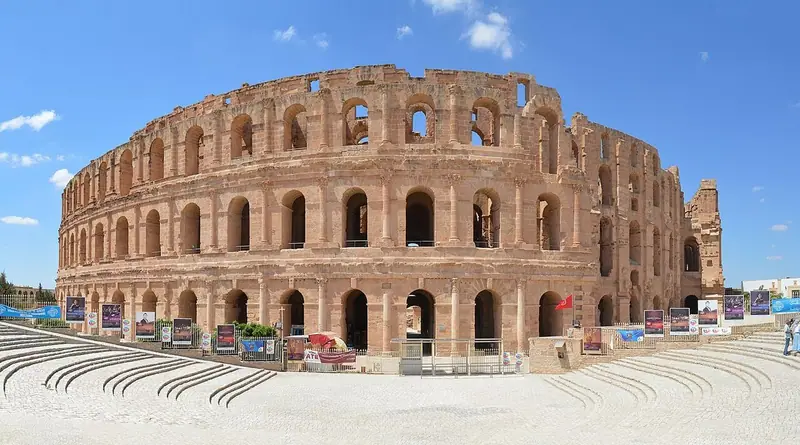






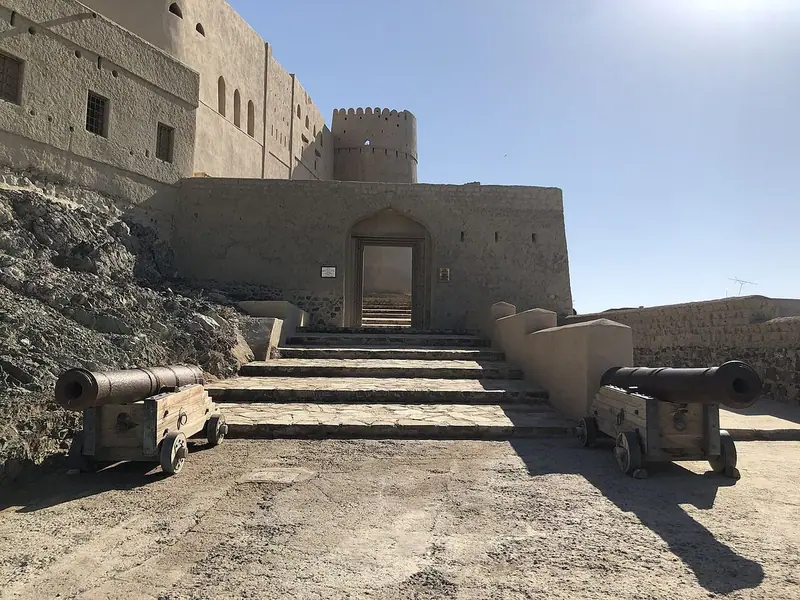
Roman cities and an Ottoman citadel

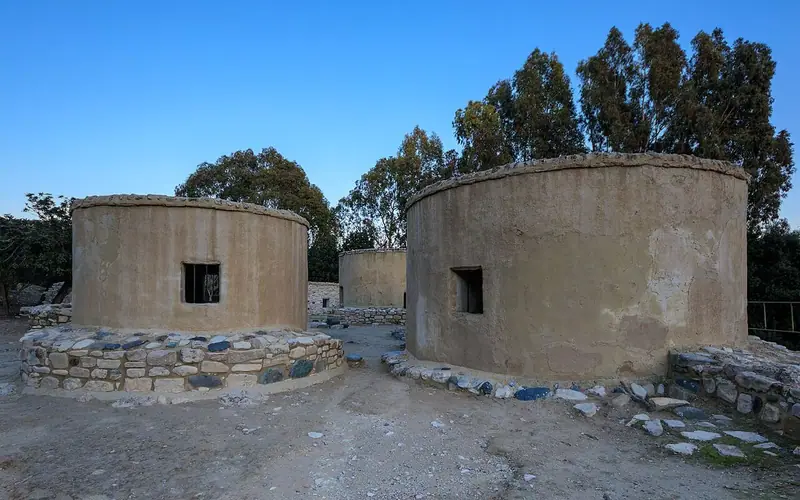

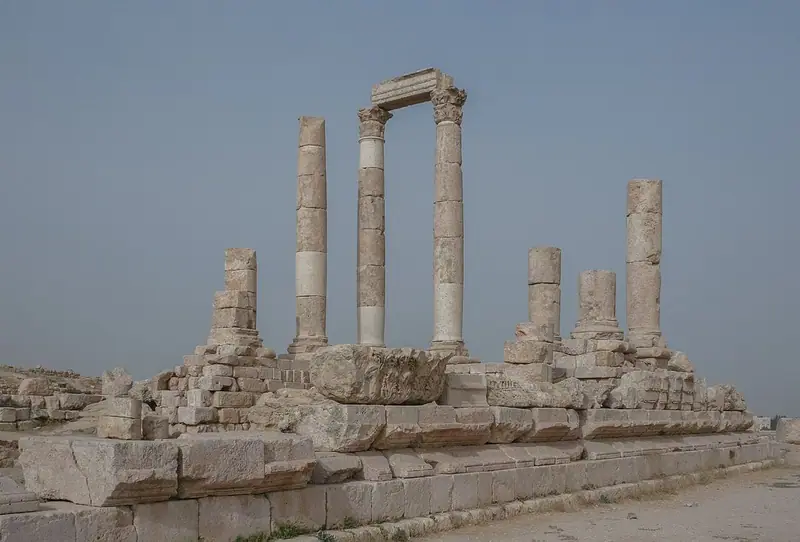

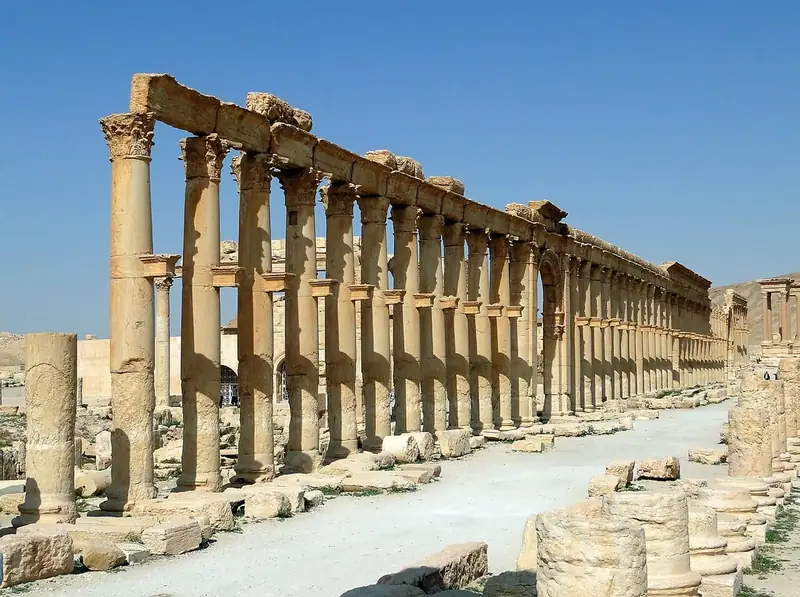
Caravan cities, castles and caliphs


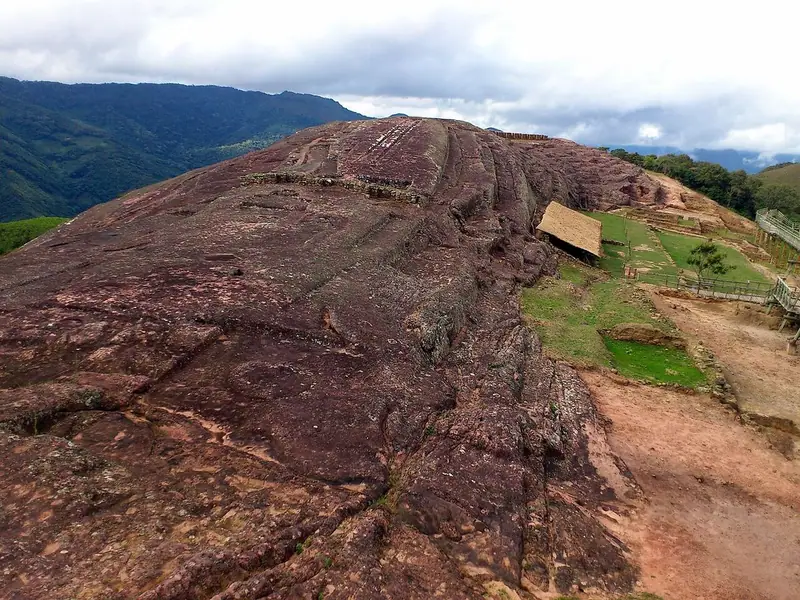
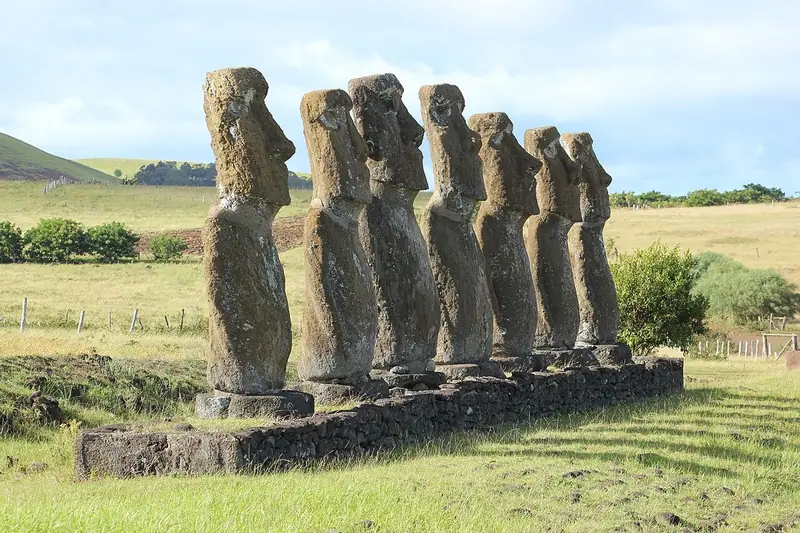





















Where cities began


Cities of earth on the Niger













The pyramids of Kush
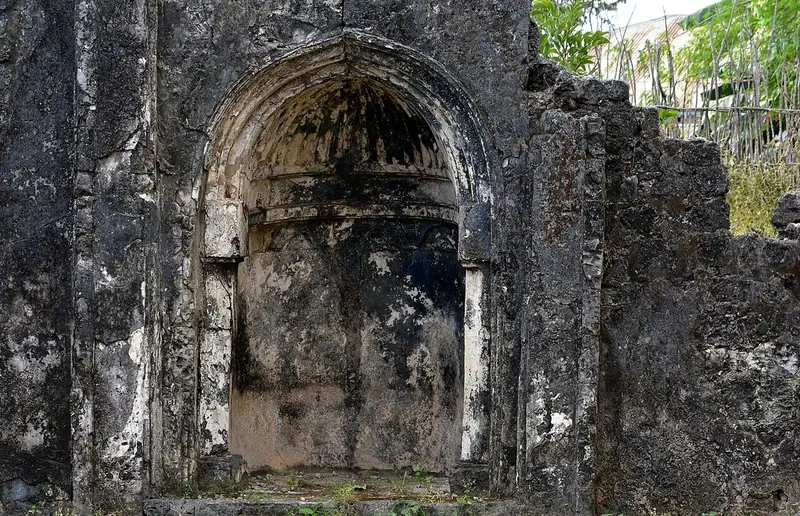
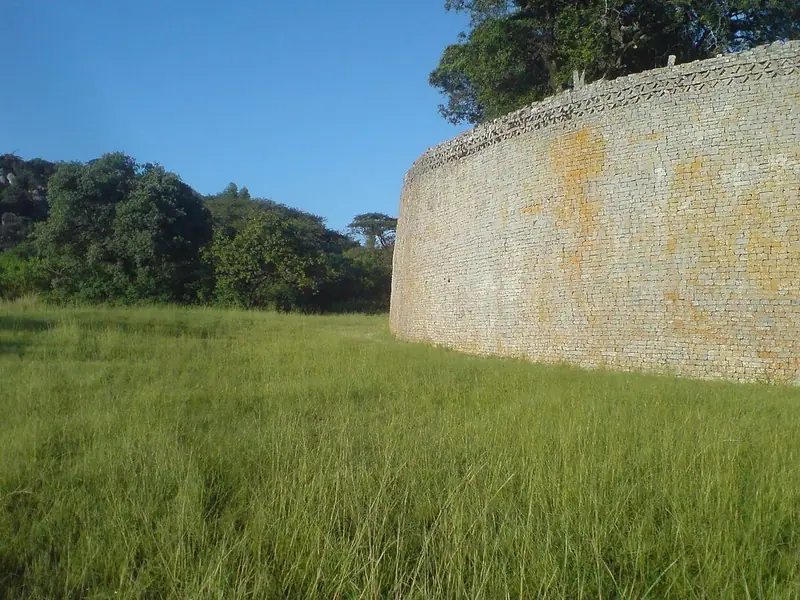
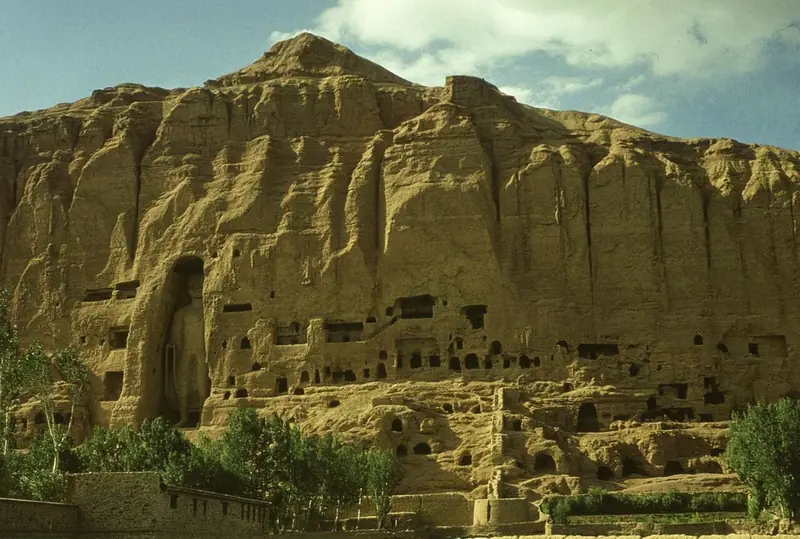
Buddhas, caves and citadels


Monuments of freedom




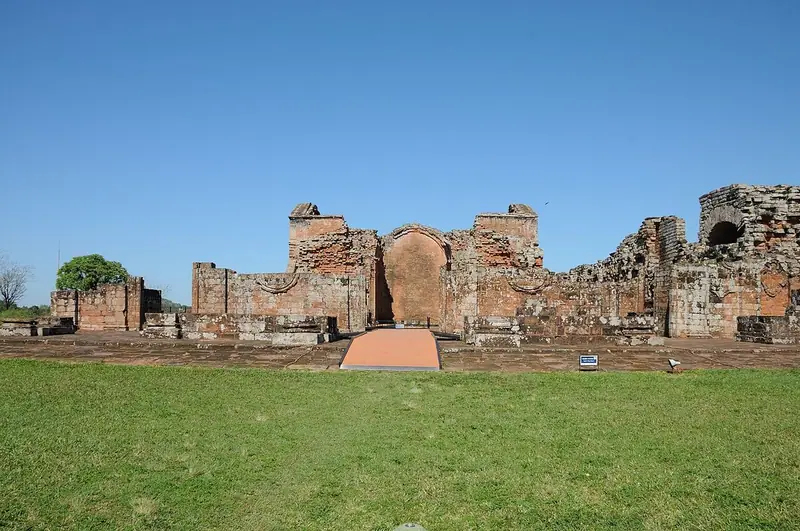



Golden domes above the Dnipro
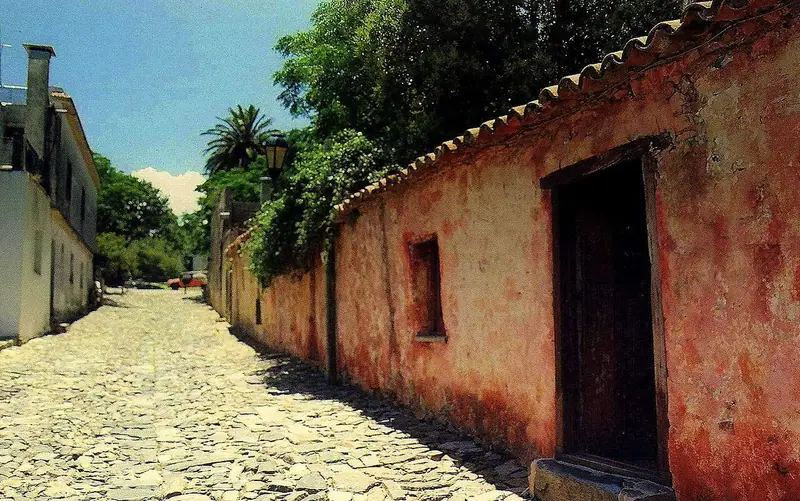

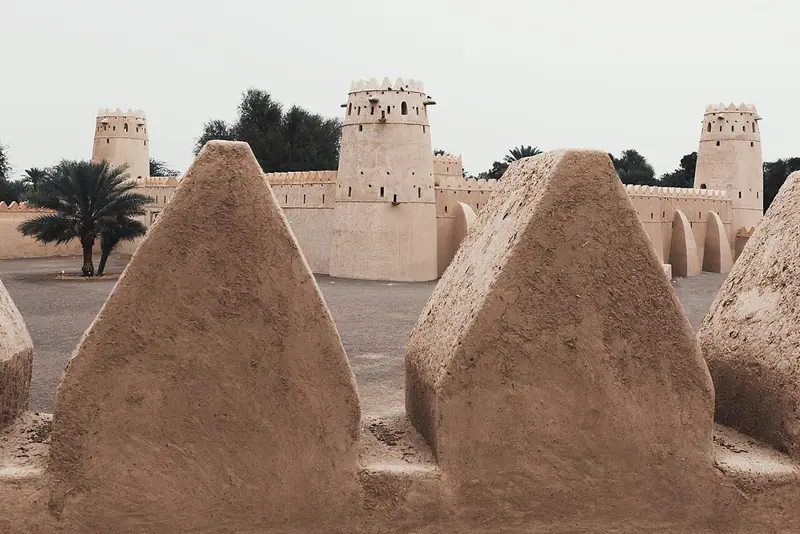
Tower houses of the desert
Countries in gold have guides ready now. Tap a country to zoom in.
The cities of the Maya, and beyond
Rome, Pompeii and the world they made
Where empires met
Temples, theatres and oracles
Phoenician roots, Roman giants
Caravan cities, castles and caliphs
Maya8 stops · c. 600–1200 CEEl Castillo and its serpent of light, the greatest ballcourt in Mesoamerica and the Sacred Cenote.
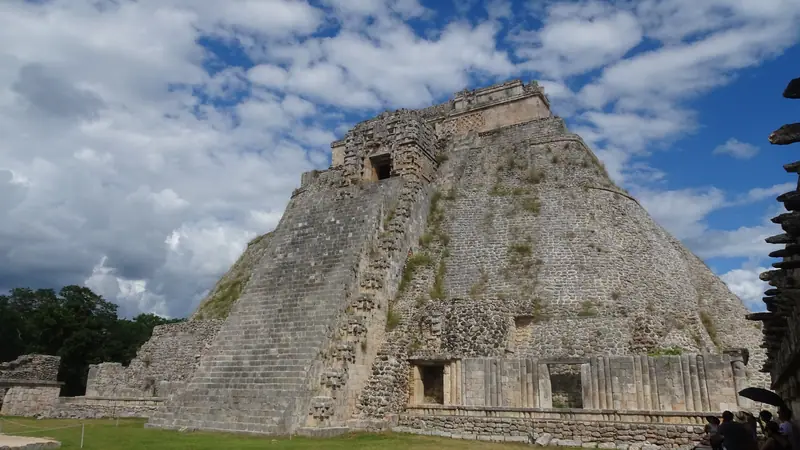 Maya7 stops · c. 600–1000 CE
The Puuc masterpiece: an oval pyramid, palace façades of cut-stone mosaic, and a whole city devoted to the rain god Chaac.
Roman9 stops · 1st c. BCE – 3rd c. CEHeliopolis, City of the Sun: the largest temples Rome ever raised, and the thousand-tonne stones that went into them.
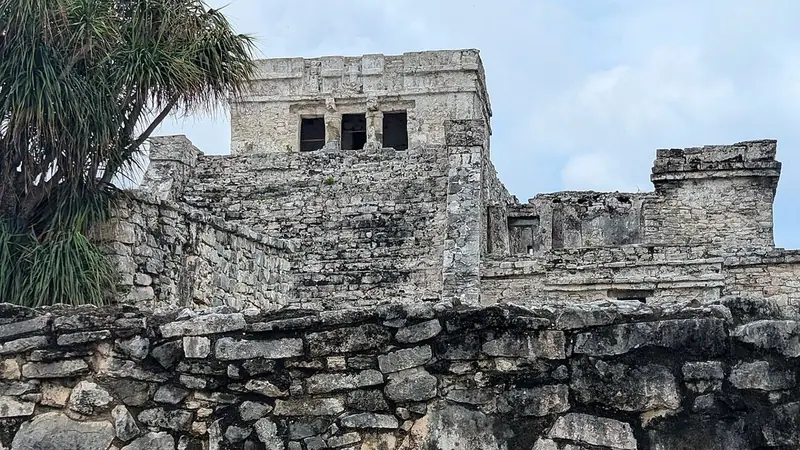 Maya6 stops · c. 1200–1550 CE
A walled Maya port on limestone cliffs above the Caribbean.
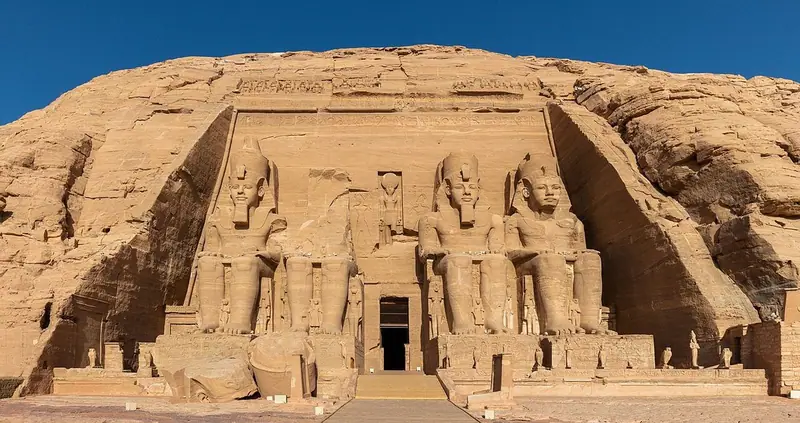
Ancient Egyptian8 stops · 13th century BCERamesses II’s colossal temple façade, the Temple of Nefertari, and how both were rescued from the waters of Lake Nasser.
 Ga7 stops · 1649–1957
From the old forts and lighthouse of Jamestown, through the Ga fishing quarter, to the monuments of Ghana’s independence and Osu Castle.
Each row is a civilisation or region. The thin band shows the span of its sites; each short bar is one site, drawn across the centuries it was built and used. Tap a bar or a name to open its guide.
“Rising about 30 metres in nine stepped terraces, it is a calendar built in stone.”El Castillo · Chichén Itzá
Stories from inside the guides. Tap the stone for another.
Pick a single guide, or the World Pass for everything. Every guide covers the main stops in a sensible visit order.
You get one self-contained web page with the photos, text and audio inside (typically 5–8 MB). Download it to your phone before you go, ideally on Wi-Fi.
At each stop, look at the photo, read the story and press play. Once it’s saved: no signal, no roaming, no app to install, nothing to log into at the gate.
Pay once and keep what you buy. No subscription. The first stop of every guide is free to try.
World Pass holders may also request a site they’d love to see covered: simply write to hello@thehistorianguide.com.
All prices in US dollars, plus applicable taxes added at checkout.
Download tonight on Wi-Fi, then explore tomorrow with no signal needed.
Browse the guidesThe Historian Guide
We’re putting the finishing touches to secure checkout. If you’d like to hear the moment it opens, email hello@thehistorianguide.com and we’ll let you know at launch.
In the meantime, every guide page has a free preview: the first stop, with its audio.
When you buy, you agree to our Terms of Sale and Refund Policy. Because guides are delivered instantly, change-of-mind refunds aren’t available once a guide has been downloaded or accessed.