Guides to 13 historic sites in Japan: Fushimi Inari Taisha, Himeji Castle, Hiroshima Peace Memorial Park, Itsukushima Shrine, Kinkaku-ji, Kiyomizu-dera, Meiji Jingu, Nijō Castle, Nikko, Osaka Castle, Senso-ji, Todai-ji and The Tokyo National Museum. Each guide is one file with a photo, text and a voice at every stop; download it before you go and it works offline.
The age of Japan’s reunifiers and the Tokugawa peace that followed.
The peace of the Tokugawa shogunate, from 1603 to 1868.
The age of the imperial court at Kyoto, from 794 to 1185.
Japan from the Meiji restoration to the end of the Second World War.
Buddhism arrived in Japan in the sixth century, and its temples have been rebuilt and cherished ever since.
Modern Japan from the Meiji era to Shōwa.
The era of the Ashikaga shoguns, patrons of Zen temples and gardens.
Japan’s first permanent capital era, when the state embraced Buddhism and built Todai-ji.
Japan’s native faith, honouring the kami of mountains, rice and the sea at its shrines.
Japan in the Shōwa era, including the Second World War and the years of recovery.
The 13 Japan guides, plus every guide in our other countries and every one we add later. One payment, no subscription.
World Pass holders may also request a site they’d love to see covered: simply write to hello@thehistorianguide.com.
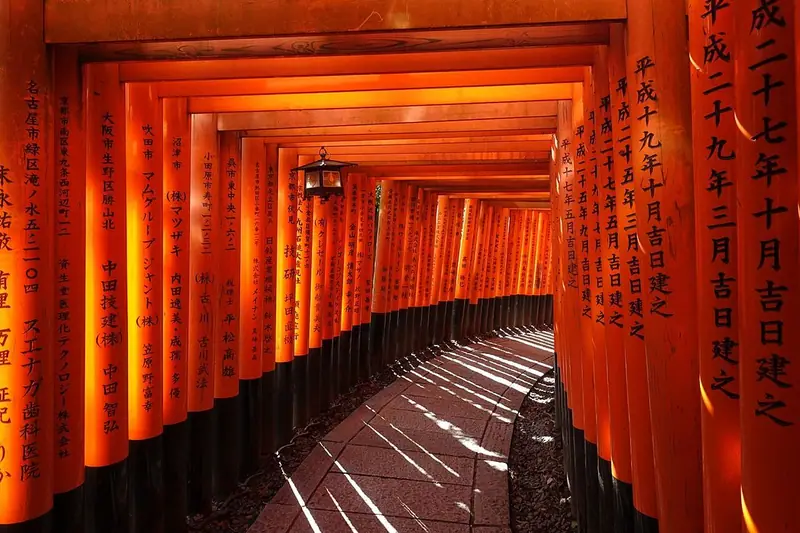
Shinto7 stops · founded 711; main hall 1499Pass through the Senbon Torii, the 'thousand gates', on the trail that winds up Mount Inari to the summit.
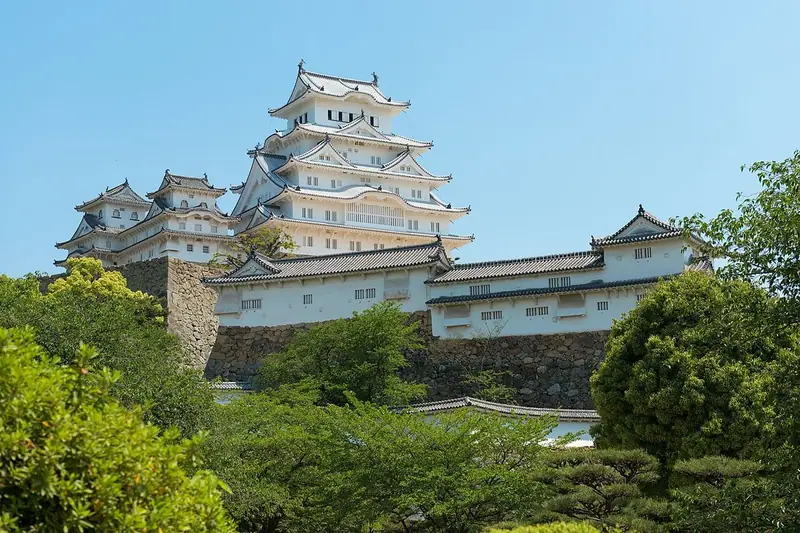
Edo7 stops · keep 1601–1609Through the gates of the maze and the baileys to the main keep of Himeji, the great castle of the samurai lords.
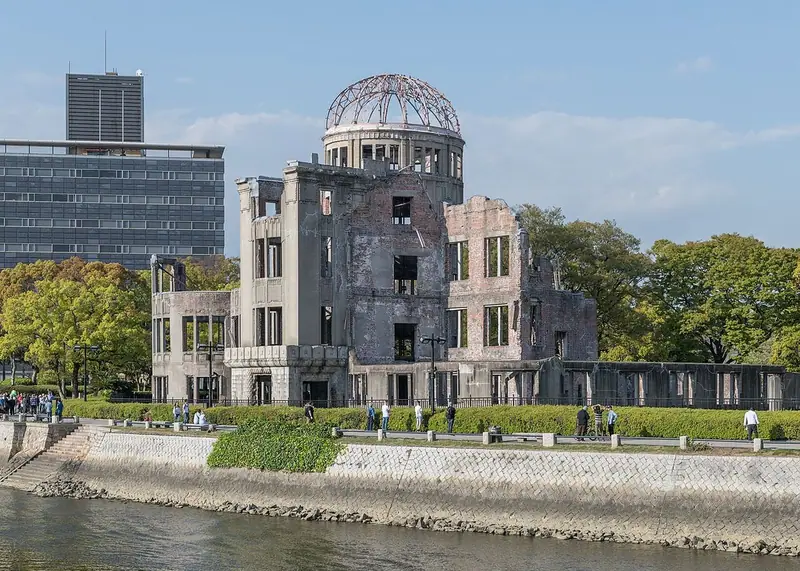
Shōwa Japan8 stops · Post-war ShōwaThe Peace Memorial Park, from the museum and the cenotaph to the Children’s Peace Monument and the Atomic Bomb Dome.
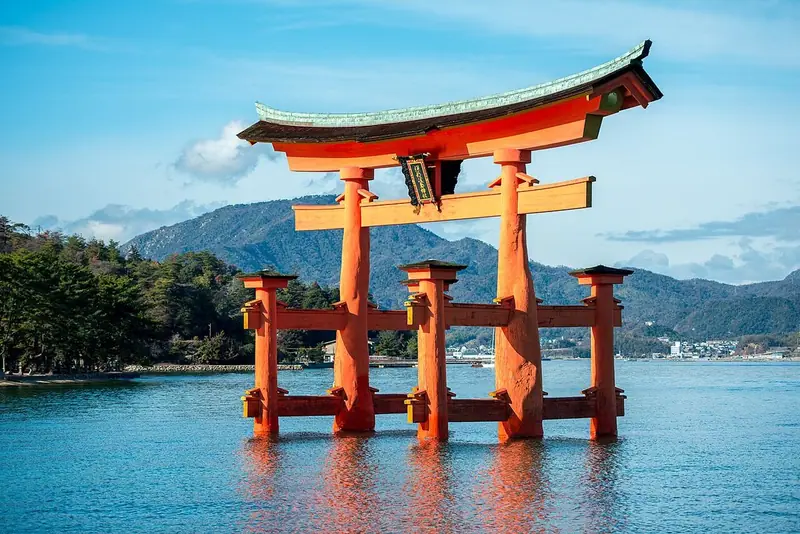
Heian7 stops · plan of 1168Past the Great Torii to the shrine’s corridors, stages and Noh stage on the shore of Miyajima.
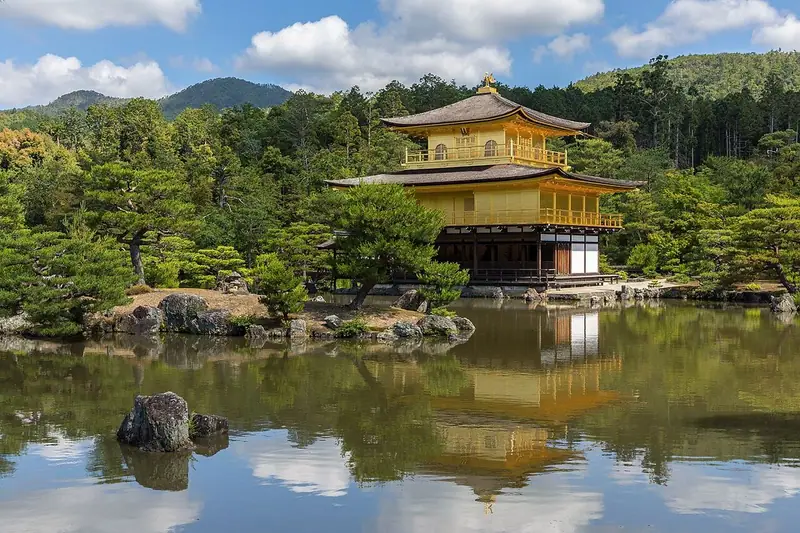
Muromachi7 stops · 1397 (rebuilt 1955)The Golden Pavilion mirrored in its pond, then a garden path past the Ryumon Falls to an old teahouse.
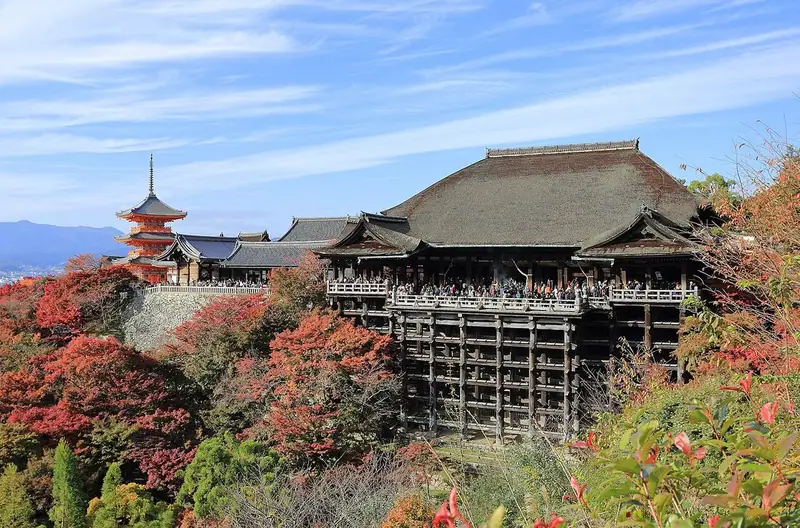
Japanese Buddhist7 stops · founded 778; main hall 1633Out onto the great wooden stage of the Main Hall, then down to the Otowa Waterfall below.
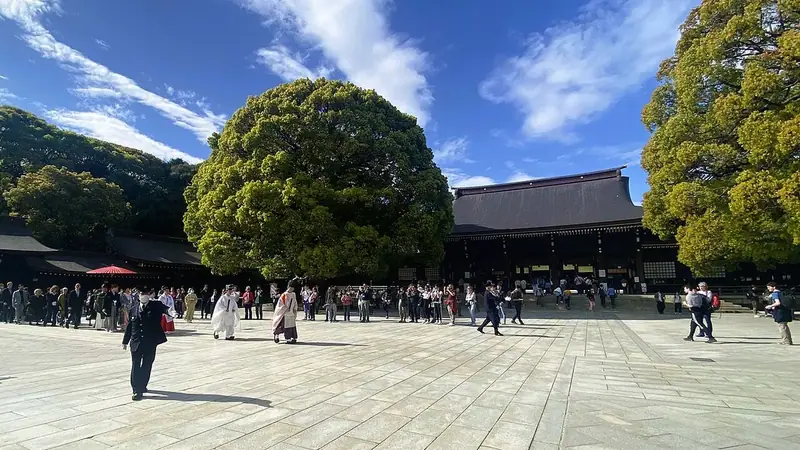
Imperial Japan7 stops · Meiji and TaishōFollow the gravel approach through a hand-planted forest, past the sake and wine barrels and under the great torii, to Tokyo’s great Shinto shrine.
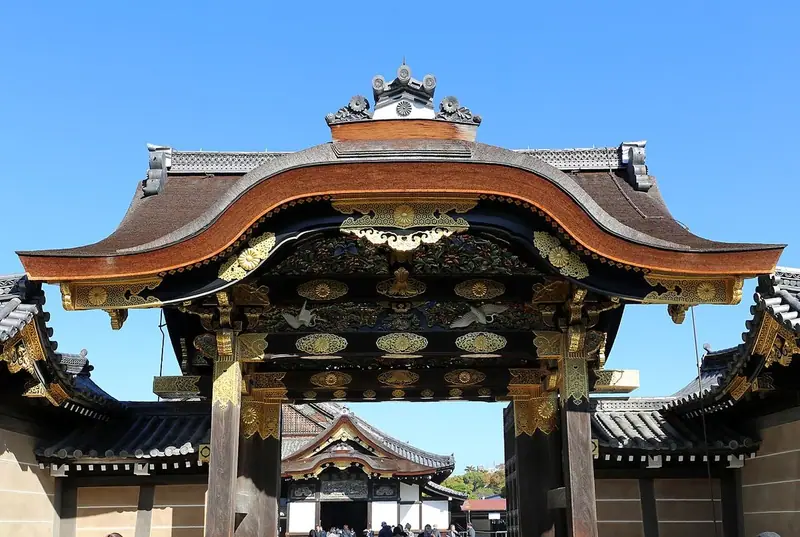
Edo8 stops · Edo periodCross the moat into the Tokugawa shoguns’ Kyoto palace of golden painted screens and singing nightingale floors.
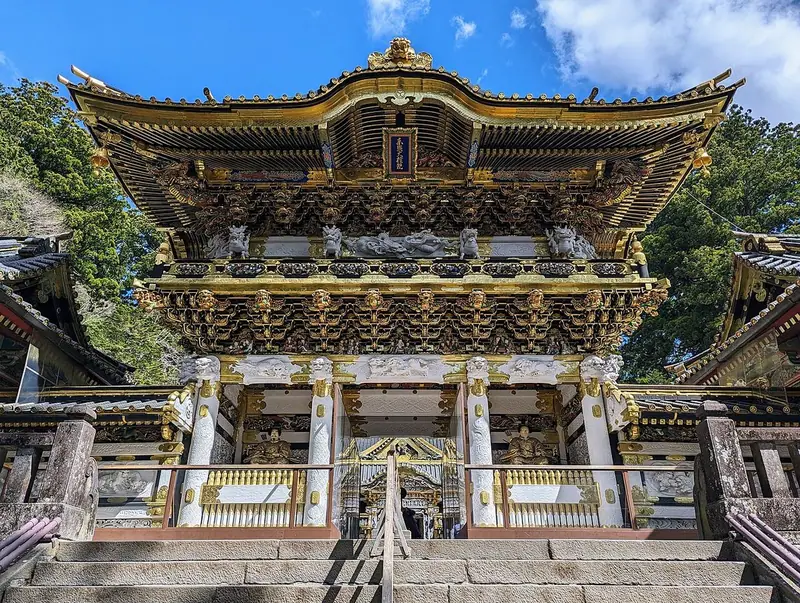
Edo9 stops · 766 – 1653 (founding to the Taiyūin)The lavishly carved mausoleum shrine of Tokugawa Ieyasu, with the temples and shrines of Nikkō in the cedar forests of the mountains north of Tokyo.
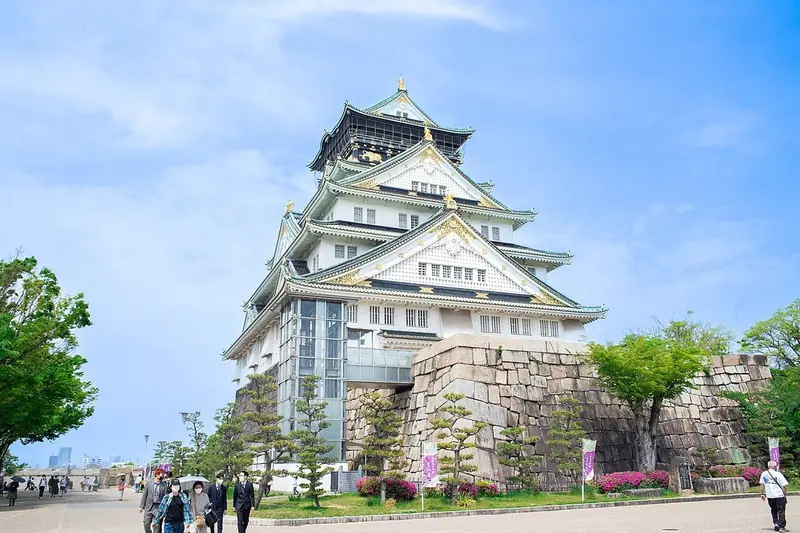
Azuchi–Momoyama and Edo Japan8 stops · Azuchi–Momoyama periodEnter through the Ōtemon Gate, pass the giant Octopus Stone and climb Toyotomi Hideyoshi’s keep for the view over Osaka.
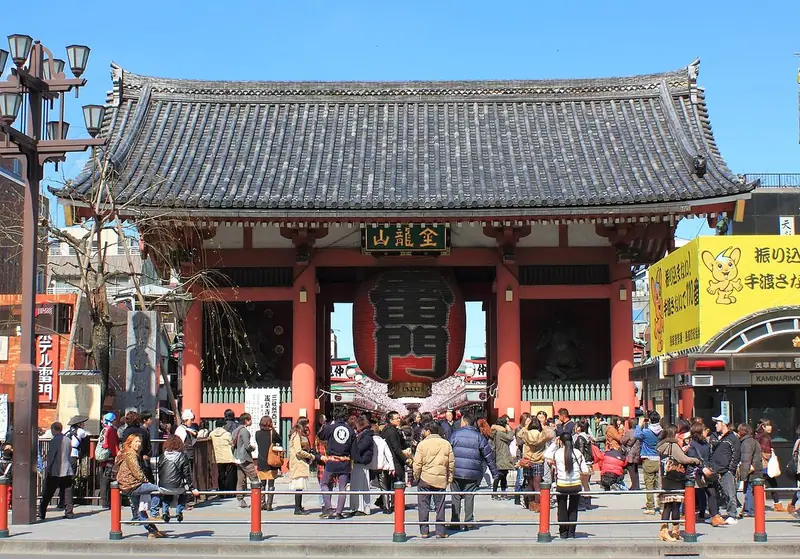
Japanese Buddhist7 stops · founded 645; halls rebuilt 1950s–70sThrough the Kaminarimon and along Nakamise-dori to the Five-Storey Pagoda and the main hall of Tokyo’s oldest temple.
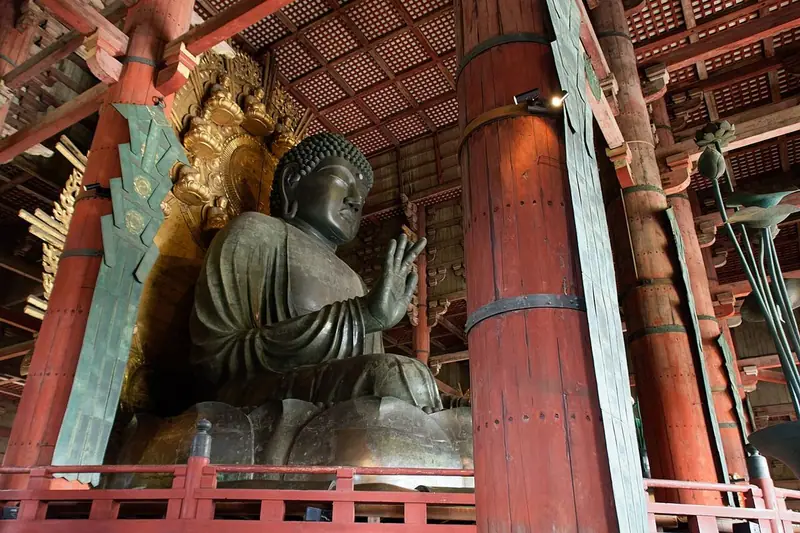
Nara7 stops · 743–752 CEThrough the Nandaimon gate to the Great Buddha, seated inside its vast wooden hall.
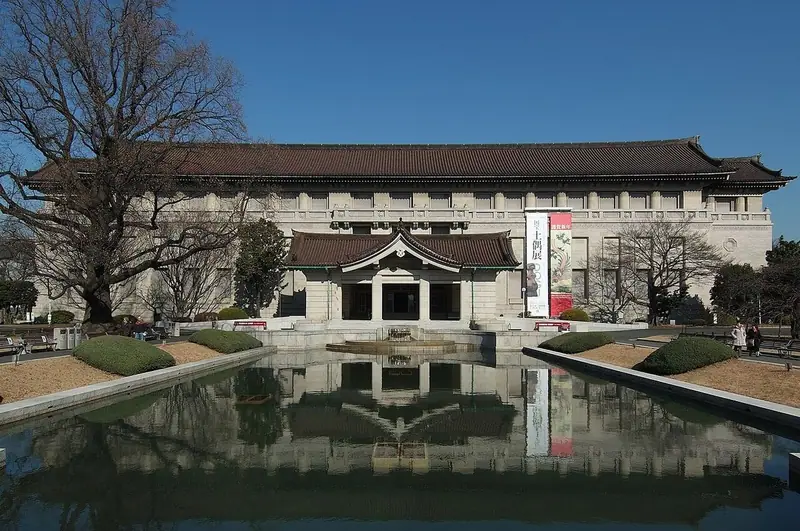
Meiji and Shōwa Japan8 stops · Meiji eraExplore the greatest collection of Japanese art in the world in Ueno Park, from swords and armour in the Honkan to the Hōryū-ji Treasures.
The Historian Guide
We’re putting the finishing touches to secure checkout. If you’d like to hear the moment it opens, email hello@thehistorianguide.com and we’ll let you know at launch.
In the meantime, every guide page has a free preview: the first stop, with its audio.
When you buy, you agree to our Terms of Sale and Refund Policy. Because guides are delivered instantly, change-of-mind refunds aren’t available once a guide has been downloaded or accessed.