Before you start
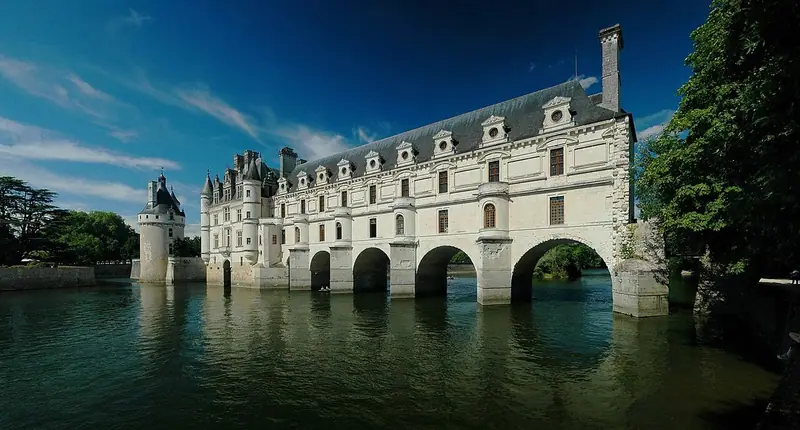
The Château de Chenonceau stands in the Loire Valley, beside the village of Chenonceaux, about thirty kilometres east of Tours. It is built across the River Cher, which flows under the arches of its long gallery. Unlike most great French châteaux, it is privately owned, by the Menier family, who bought it in 1913. The village has a railway station on the line from Tours, a short walk from the entrance, and there is a large car park. From the ticket office, a long avenue leads to the château, so allow a few minutes to reach it. This guide follows the avenue to the forecourt, visits the main rooms on each floor, goes down to the kitchens, and finishes in the gardens. Chenonceau is often called the Château des Dames, the ladies’ château, because so much of its history was shaped by women.
Use it as a self-guided tour of Château de Chenonceau: 8 stops in visit order, each played when you’re ready, at your own pace.
 Free preview · Stop 1
The Avenue
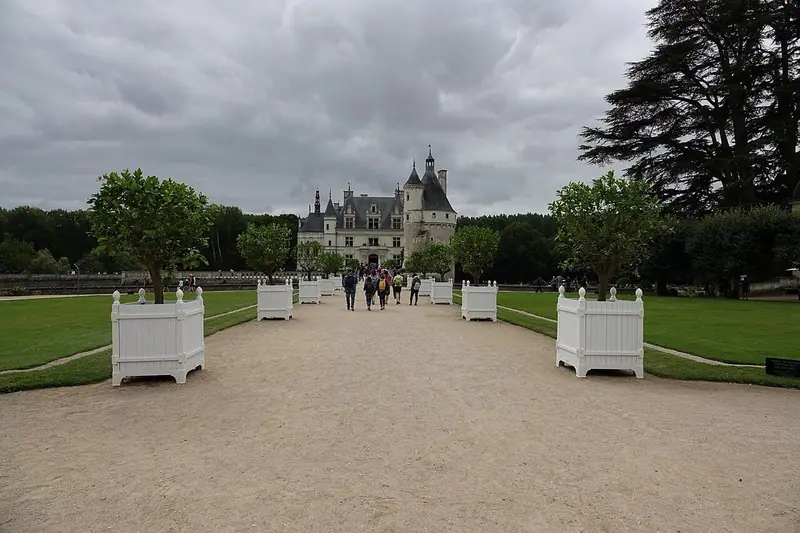
Begin on the long, straight avenue that leads from the entrance to the château. It is lined with tall plane trees, and for most of the way the château stays hidden, so that it appears only at the end, framed by the trees. On either side are parts of the estate, including farm buildings and, on one side, a maze. The plane trees were planted in the nineteenth century by the Countess of Villeneuve, who restored the château and its gardens. As you walk, think about the visitors who have come this way over five centuries, from kings and queens to the writers and philosophers who gathered here in the eighteenth century. At the end of the avenue you cross a small bridge over the moat and reach the forecourt, with the Marques Tower on your right.
Photo: Gzen92 · CC BY-SA 4.0 · Wikimedia Commons
What to see at Château de Chenonceau: 8 stops, in visit order
- 01
 The AvenueThe approach to the châteauFree preview
- 02
 The Marques TowerThe old castle keepIn the guide
- 03
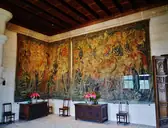 The Guards’ Room and ChapelThe ground floorIn the guide
- 04
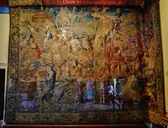 Diane de Poitiers’ BedroomThe king’s favouriteIn the guide
- 05
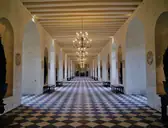 The GalleryA ballroom on a bridgeIn the guide
- 06
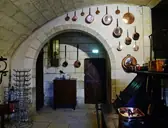 The KitchensInside the bridge piersIn the guide
- 07
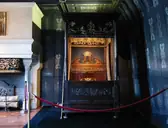 Louise of Lorraine’s BedroomA queen in mourningIn the guide
- 08
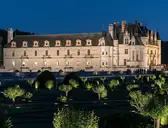 The GardensDiane’s garden and Catherine’s gardenIn the guide
Site map of Château de Chenonceau
History of Château de Chenonceau
Chenonceau was built by the kingdom of France in the age of the Renaissance, under the Valois kings, who ruled France from 1328 until 1589. After the French wars in Italy, nobles and royal officials brought Italian ideas home and built elegant residences along the Loire and its tributaries. In 1513 Thomas Bohier, a senior royal finance official, bought the estate and pulled down most of the old castle, keeping only its tower. While he was often away, his wife, Katherine Briçonnet, oversaw the building of the new château, completed around 1521. In 1535 the estate passed to the crown. King Henri II gave it to Diane de Poitiers, who built a bridge across the Cher.
The full history continues in the guide.
Château de Chenonceau guide: questions
How many stops does the Château de Chenonceau guide have?
8 stops, in visit order: 1. The Avenue; 2. The Marques Tower; 3. The Guards’ Room and Chapel; 4. Diane de Poitiers’ Bedroom; 5. The Gallery; 6. The Kitchens; 7. Louise of Lorraine’s Bedroom; 8. The Gardens.
Can I do a self-guided tour of Château de Chenonceau with this guide?
Yes. The guide is made for a self-guided tour: 8 stops in visit order, each with a photo, a story and a voice, so you can explore Château de Chenonceau at your own pace, without joining a group. Download it before you go and it works offline.
How long is each guide?
The 8 stops add up to about 6 minutes of listening in total. You play each stop when you’re ready, so you can go at your own pace.
Does the guide work offline?
Yes, once it’s downloaded. The guide is a single self-contained web page (about 7.0 MB) with the photos, text and audio built in. Download it to your phone before you go (Wi-Fi is best); after that it opens in any modern browser on iPhone or Android, with no app, account or mobile signal needed.
Does it use GPS or need my location?
No. The guide doesn’t use GPS and doesn’t know where you are: you play each stop when you reach it. It works on iPhone and Android in any modern browser, and it’s in English.
What’s included?
One self-contained HTML guide: 8 stops in visit order, each with a photo, text and a voice, plus the story of who built the site.
Who built Château de Chenonceau?
Chenonceau was built by the kingdom of France in the age of the Renaissance, under the Valois kings, who ruled France from 1328 until 1589. After the French wars in Italy, nobles and royal officials brought Italian ideas home and built elegant residences along the Loire and its tributaries.
Where is Château de Chenonceau?
The Château de Chenonceau stands in the Loire Valley, beside the village of Chenonceaux, about thirty kilometres east of Tours.
Is there a free audio guide to Château de Chenonceau?
The first stop, The Avenue, is free to read and hear on this page, so you can try the Château de Chenonceau audio tour before you buy. The full guide, with all 8 stops, is a one-off purchase: download it once and it’s yours to keep, working offline.
Is the Château de Chenonceau guide worth it?
If you’d like to know what you’re looking at, yes. For $10 you get 8 stops in visit order, each with a photo, a short history and a voice you play when you’re ready, plus a site map of the stops, and about 6 minutes of listening in all. It’s short on purpose, so you spend your time looking, not listening. It’s yours to keep, works offline and needs no app. The first stop is free on this page, so you can try it before you buy. If you’d like hours of detail, a guided tour will go deeper.
Audio guide or guided tour?
It depends how you like to visit. This guide lets you explore Château de Chenonceau at your own pace, at any time, for a one-off price. A guided tour gives you a live expert you can ask questions, but at fixed times and usually for a higher price. Many people use both: a tour for the big picture, and the guide to read beforehand or to revisit the stops in their own time.
Is this the official Château de Chenonceau guide?
No. It’s an independent guide by The Historian Guide, not affiliated with or endorsed by the operator of Château de Chenonceau. For tickets and opening hours, check the official site operator before you go.
Does the guide include entry tickets or opening hours?
No. The guide is a digital companion only. Admission to Château de Chenonceau is separate, so check the official site operator for current tickets and opening hours before you go.
- Stop 1 · The Avenue: Gzen92 · CC BY-SA 4.0 · Wikimedia Commons · resized
- Stop 2 · The Marques Tower: Krzysztof Golik · CC BY-SA 4.0 · Wikimedia Commons · resized
- Stop 3 · The Guards’ Room and Chapel: Zairon · CC BY-SA 4.0 · Wikimedia Commons · resized
- Stop 4 · Diane de Poitiers’ Bedroom: Zairon · CC BY-SA 4.0 · Wikimedia Commons · resized
- Stop 5 · The Gallery: Zairon · CC BY-SA 4.0 · Wikimedia Commons · resized
- Stop 6 · The Kitchens: Zairon · CC BY-SA 4.0 · Wikimedia Commons · resized
- Stop 7 · Louise of Lorraine’s Bedroom: AlMare · CC BY-SA 2.5 · Wikimedia Commons · resized
- Stop 8 · The Gardens: Antoine Montulé · CC BY-SA 4.0 · Wikimedia Commons · resized
- Cover: Ra-smit · CC BY-SA 3.0 · Wikimedia Commons · resized


All photographs from Wikimedia Commons under the licences shown.
More guides in France
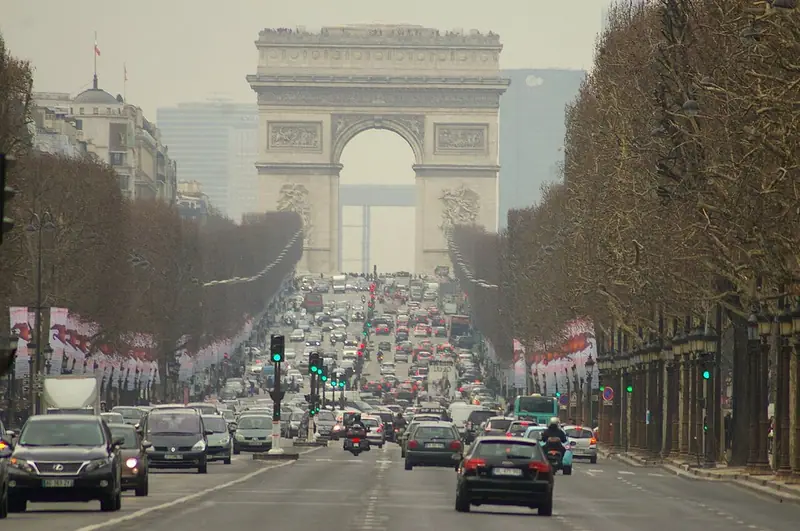 Napoleonic France8 stops · Napoleonic era
Arc de Triomphe audio guide
Cross beneath the traffic to Napoleon’s arch, read its carved victories and the names of its generals, then climb to the rooftop terrace.
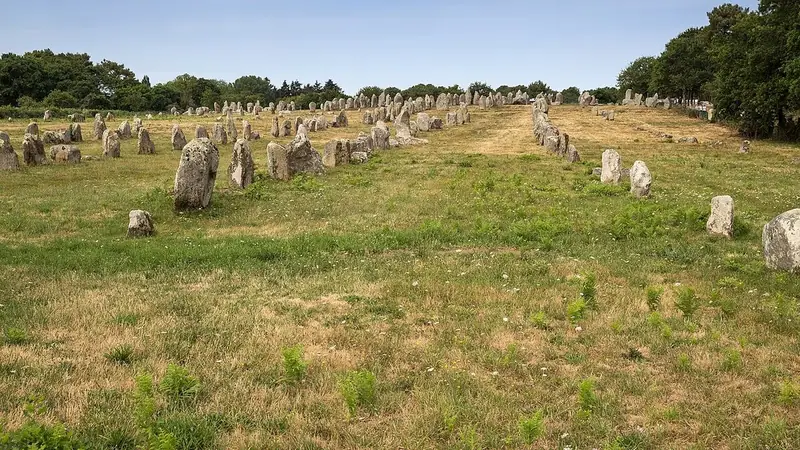 Neolithic10 stops · c. 5000 – 2300 BCE (megalith building)
Carnac Megaliths audio guide
Thousands of standing stones in rows, giant mounds and decorated tombs: the alignments of Carnac, the broken menhir of Locmariaquer and the carved cairn of Gavrinis.
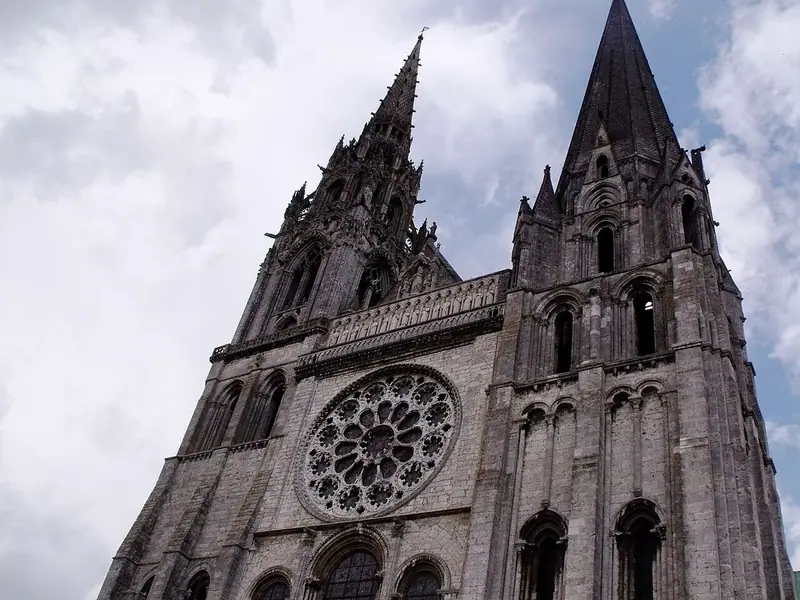 Gothic8 stops · 12th–13th century CE
Chartres Cathedral audio guide
Step through the Royal Portal into a Gothic cathedral rebuilt after the fire of 1194, with its labyrinth and the deep Chartres blue of its glass.
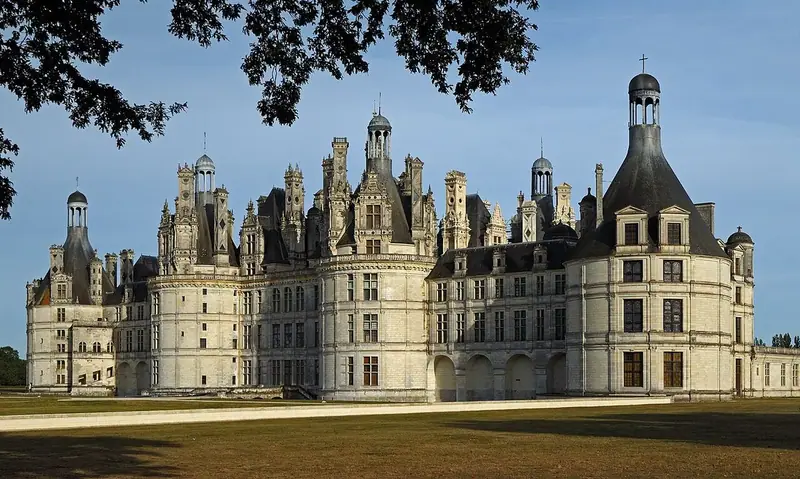 Renaissance8 stops · from 1519 CE
Château de Chambord audio guide
Climb the double-helix staircase of François I’s great hunting château to roof terraces crowded with chimneys and turrets, above a vast walled forest park.
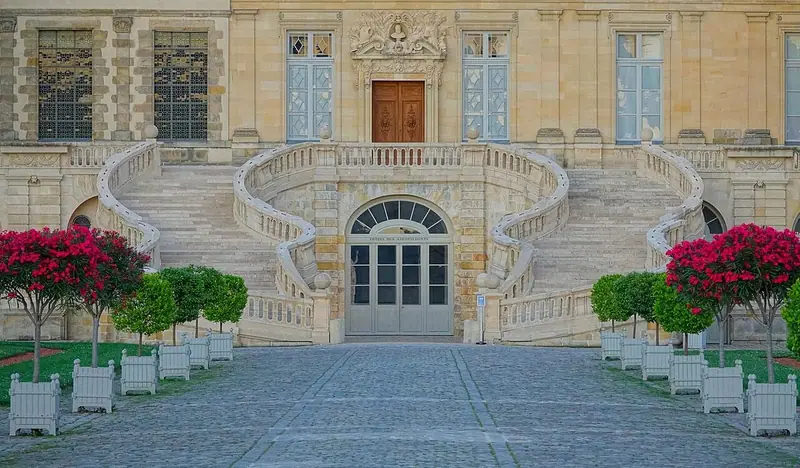 Renaissance8 stops · from 1528 CE
Château de Fontainebleau audio guide
From the Courtyard of Farewells through François I’s Renaissance gallery to the throne room and Napoleon’s apartments.
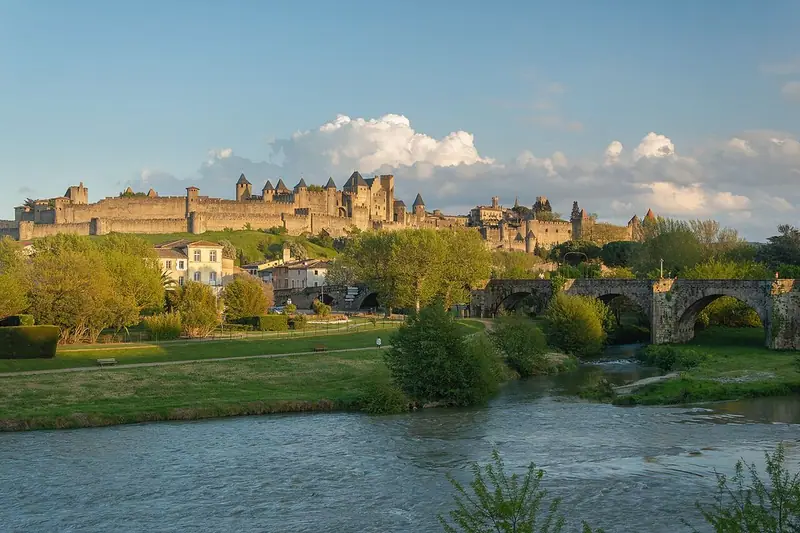 Medieval7 stops · 12th–13th century CE
Cité de Carcassonne audio guide
Enter by the Porte Narbonnaise and walk the lices and ramparts of a double-walled medieval town above the River Aude.
Every guide, in every country
Château de Chenonceau and every other guide we publish, including future ones. One payment, no subscription.