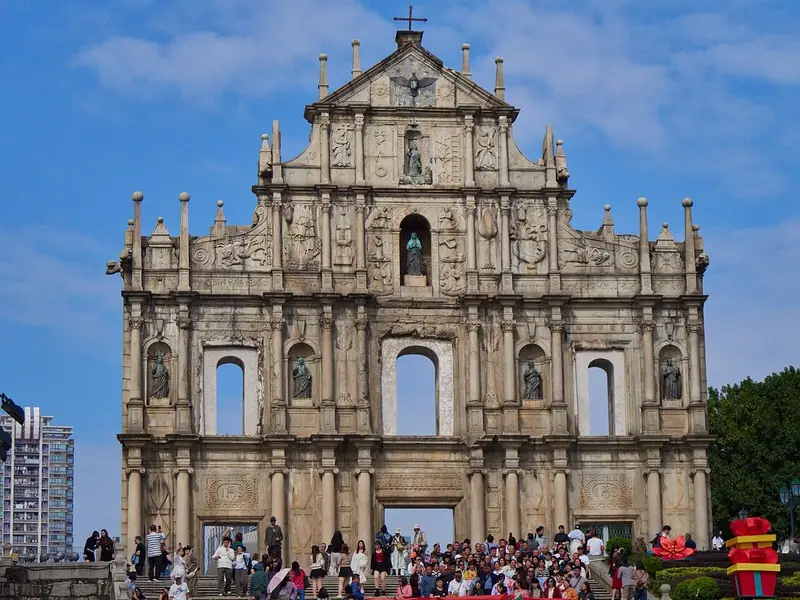
Before you start
Macao, on the southern coast of China at the mouth of the Pearl River, was a busy trading port under Portuguese administration from the mid-sixteenth century until 1999, when it returned to Chinese sovereignty as a Special Administrative Region. Its historic centre is a chain of squares, streets, temples, churches, mansions and forts, where Chinese and Portuguese buildings stand side by side. UNESCO added the Historic Centre of Macao to the World Heritage List in 2005, recognising it as a record of more than four centuries of contact between China and the West, one of the first and most enduring such meetings. This guide follows the old city from the A-Ma Temple, near the harbour, northwards to Senado Square, the Ruins of St Paul’s and the Mount Fortress.
Use it as a self-guided tour of Macao: 9 stops in visit order, each played when you’re ready, at your own pace.
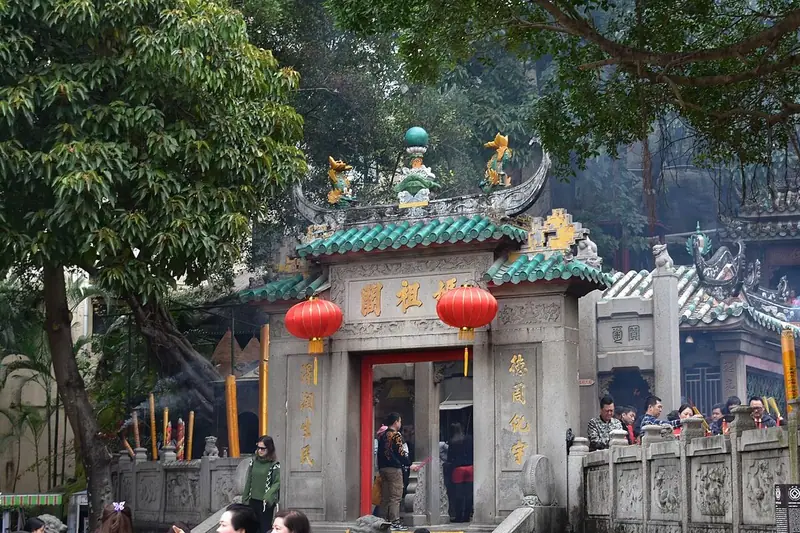 Free preview · Stop 1
The A-Ma Temple
Begin at the A-Ma Temple, at the foot of Barra Hill near the inner harbour. It is dedicated to Mazu, the sea goddess revered by the fishermen and sailors of Fujian, who is known here as A-Ma. The temple is often said to date from 1488, which would make it older than the Portuguese settlement. According to a well-known story, when Portuguese sailors landed here and asked the name of the place, the local people thought they meant the temple and answered with its name, Ma Kok, the pavilion of A-Ma, which became Macau in Portuguese. The temple climbs the hillside in a series of halls, pavilions and rock carvings, including a prayer hall and the Hall of Guanyin. This is a working temple, filled with incense coils and worshippers, so move quietly, do not block the halls, and ask before photographing anyone at prayer.
Photo: Richard Mortel from Riyadh, Saudi Arabia · CC BY 2.0 · Wikimedia Commons
What to see at Macao: 9 stops, in visit order
- 01
 The A-Ma TempleThe goddess who gave Macao its nameFree preview
- 02
 The Moorish BarracksA Mughal touch on the waterfrontIn the guide
- 03
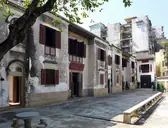 The Mandarin’s HouseHome of a reformerIn the guide
- 04
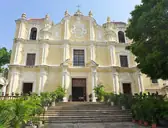 St Joseph’s Seminary and ChurchA dome and a relicIn the guide
- 05
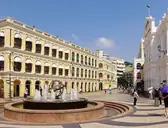 Senado SquareThe heart of the cityIn the guide
- 06
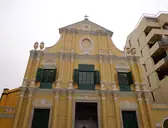 St Dominic’s ChurchDominicans from AcapulcoIn the guide
- 07
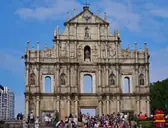 The Ruins of St Paul’sA stone façade of many faithsIn the guide
- 08
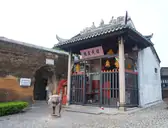 The Na Tcha Temple and the Old City WallA Chinese shrine beside a Catholic ruinIn the guide
- 09
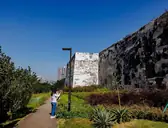 The Mount FortressCannon on the hillIn the guide
Site map of Macao
History of Macao
Fishermen and traders from Fujian and Guangdong lived here before the Portuguese arrived, and the temple of the sea goddess at the harbour is among the oldest buildings in the city. Portuguese merchants settled in Macao in the 1550s with the permission of the Ming authorities, and the port soon became a hub of trade between China, Japan, South-East Asia, India and Europe. Catholic missionaries, above all the Jesuits, made Macao their base for work in China and Japan, building churches, colleges and seminaries. For centuries the city was shared: Chinese officials kept authority over the Chinese population, while the Portuguese ran their own affairs through the Senate. Portugal declared full colonial rule in the nineteenth century, and Macao remained under Portuguese administration until 1999. Chinese, Portuguese and Macanese families, of mixed descent, shaped its food, language and architecture.
Macao guide: questions
How many stops does the Macao guide have?
9 stops, in visit order: 1. The A-Ma Temple; 2. The Moorish Barracks; 3. The Mandarin’s House; 4. St Joseph’s Seminary and Church; 5. Senado Square; 6. St Dominic’s Church; 7. The Ruins of St Paul’s; 8. The Na Tcha Temple and the Old City Wall; 9. The Mount Fortress.
Can I do a self-guided tour of Macao with this guide?
Yes. The guide is made for a self-guided tour: 9 stops in visit order, each with a photo, a story and a voice, so you can explore Macao at your own pace, without joining a group. Download it before you go and it works offline.
How long do you need at Macao?
We suggest allowing about half a day. The 9 stops add up to about 7 minutes of listening, and you play each one when you’re ready, so you can linger wherever you like.
How long is each guide?
The 9 stops add up to about 7 minutes of listening in total. You play each stop when you’re ready, so you can go at your own pace.
Does the guide work offline?
Yes, once it’s downloaded. The guide is a single self-contained web page (about 8.3 MB) with the photos, text and audio built in. Download it to your phone before you go (Wi-Fi is best); after that it opens in any modern browser on iPhone or Android, with no app, account or mobile signal needed.
Does it use GPS or need my location?
No. The guide doesn’t use GPS and doesn’t know where you are: you play each stop when you reach it. It works on iPhone and Android in any modern browser, and it’s in English.
What’s included?
One self-contained HTML guide: 9 stops in visit order, each with a photo, text and a voice, plus the story of who built the site.
Who built Macao?
Fishermen and traders from Fujian and Guangdong lived here before the Portuguese arrived, and the temple of the sea goddess at the harbour is among the oldest buildings in the city. Portuguese merchants settled in Macao in the 1550s with the permission of the Ming authorities, and the port soon became a hub of trade between China, Japan, South-East Asia, India and Europe.
Where is Macao?
Macao, on the southern coast of China at the mouth of the Pearl River, was a busy trading port under Portuguese administration from the mid-sixteenth century until 1999, when it returned to Chinese sovereignty as a Special Administrative Region.
Is there a free audio guide to Macao?
The first stop, The A-Ma Temple, is free to read and hear on this page, so you can try the Macao audio tour before you buy. The full guide, with all 9 stops, is a one-off purchase: download it once and it’s yours to keep, working offline.
Is the Macao guide worth it?
If you’d like to know what you’re looking at, yes. For $10 you get 9 stops in visit order, each with a photo, a short history and a voice you play when you’re ready, plus a site map of the stops, and about 7 minutes of listening in all. It’s short on purpose, so you spend your time looking, not listening. It’s yours to keep, works offline and needs no app. The first stop is free on this page, so you can try it before you buy. If you’d like hours of detail, a guided tour will go deeper.
Audio guide or guided tour?
It depends how you like to visit. This guide lets you explore Macao at your own pace, at any time, for a one-off price. A guided tour gives you a live expert you can ask questions, but at fixed times and usually for a higher price. Many people use both: a tour for the big picture, and the guide to read beforehand or to revisit the stops in their own time.
Is this the official Macao guide?
No. It’s an independent guide by The Historian Guide, not affiliated with or endorsed by the operator of Macao. For tickets and opening hours, check the official site operator before you go.
Does the guide include entry tickets or opening hours?
No. The guide is a digital companion only. Admission to Macao is separate, so check the official site operator for current tickets and opening hours before you go.
- Stop 1 · The A-Ma Temple: Richard Mortel from Riyadh, Saudi Arabia · CC BY 2.0 · Wikimedia Commons · resized
- Stop 2 · The Moorish Barracks: Bahnfrend · CC BY-SA 4.0 · Wikimedia Commons · resized
- Stop 3 · The Mandarin’s House: Bahnfrend · CC BY-SA 4.0 · Wikimedia Commons · resized
- Stop 4 · St Joseph’s Seminary and Church: Bahnfrend · CC BY-SA 4.0 · Wikimedia Commons · resized
- Stop 5 · Senado Square: Bahnfrend · CC BY-SA 4.0 · Wikimedia Commons · resized
- Stop 6 · St Dominic’s Church: Jenchanted · CC BY-SA 3.0 · Wikimedia Commons · resized
- Stop 7 · The Ruins of St Paul’s (also the cover): lumoplank · CC0 · Wikimedia Commons · resized
- Stop 8 · The Na Tcha Temple and the Old City Wall: Minghong · CC BY-SA 4.0 · Wikimedia Commons · resized
- Stop 9 · The Mount Fortress: Dinkun Chen · CC BY-SA 4.0 · Wikimedia Commons · resized


All photographs from Wikimedia Commons under the licences shown.
More guides in China
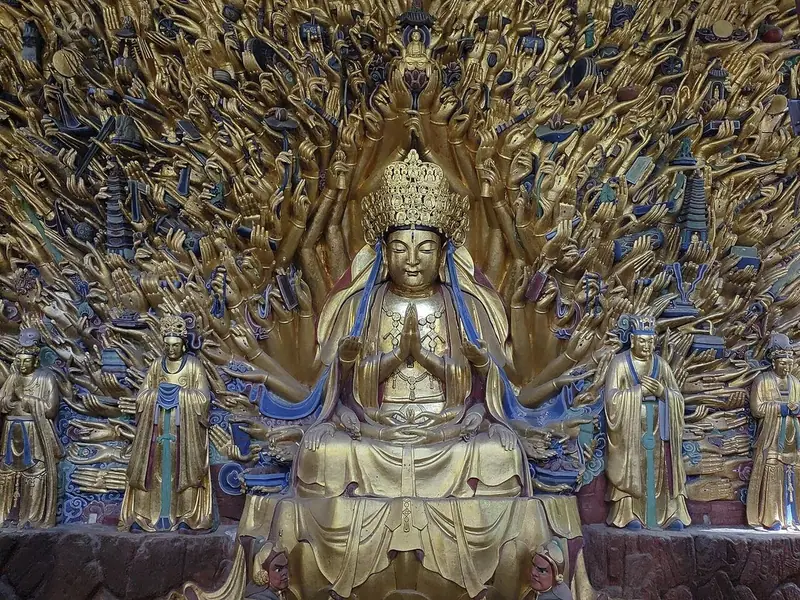 Song9 stops · 892 – c. 1249 CE
Dazu Rock Carvings audio guide
Buddhist cliff carvings of the Tang and Song: the niches of Beishan and the great horseshoe of Baodingshan, with its Wheel of Rebirth, Thousand-Armed Guanyin and Reclining Buddha.
 Ming8 stops · 1406–1912 CE
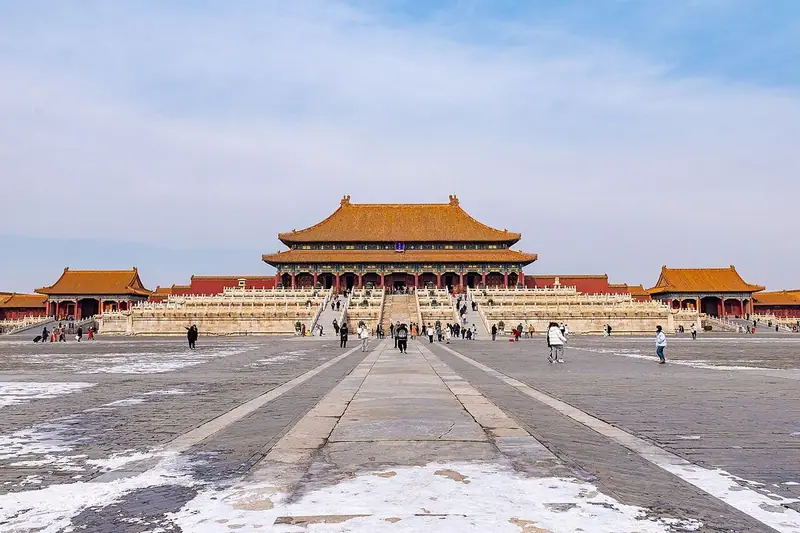
The Forbidden City audio guide
Follow the central axis of China’s imperial palace through its gates and halls of harmony, roofed in the emperor’s golden-yellow tiles.
 Ming6 stops · 1368–1644 CE
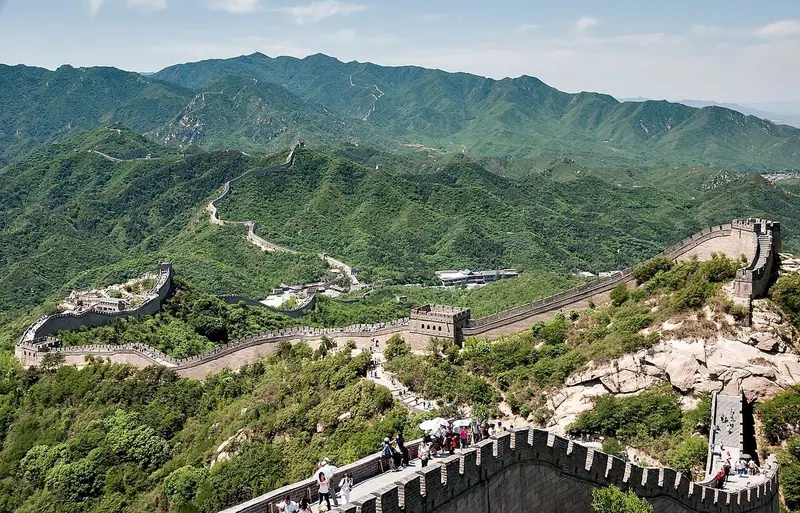
Great Wall at Badaling audio guide
Climb the grey brick battlements and watchtowers of the Great Wall as it rides the mountain crests on either side of the Badaling pass.
 Ming7 stops · from c. 1510 CE
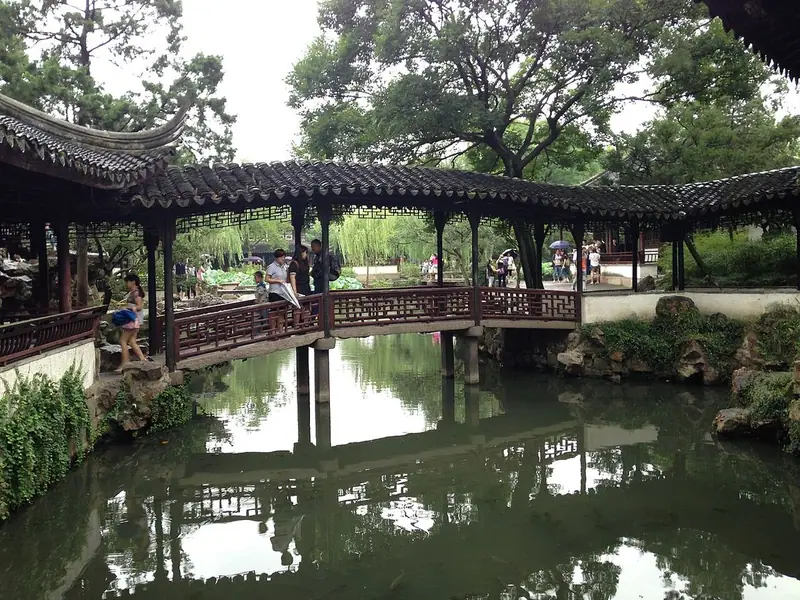
Humble Administrator’s Garden audio guide
Suzhou’s largest classical garden, a landscape in miniature of ponds, islands, bridges and pavilions, each framing a composed view.
 Tang6 stops · early 8th century – 803 CE
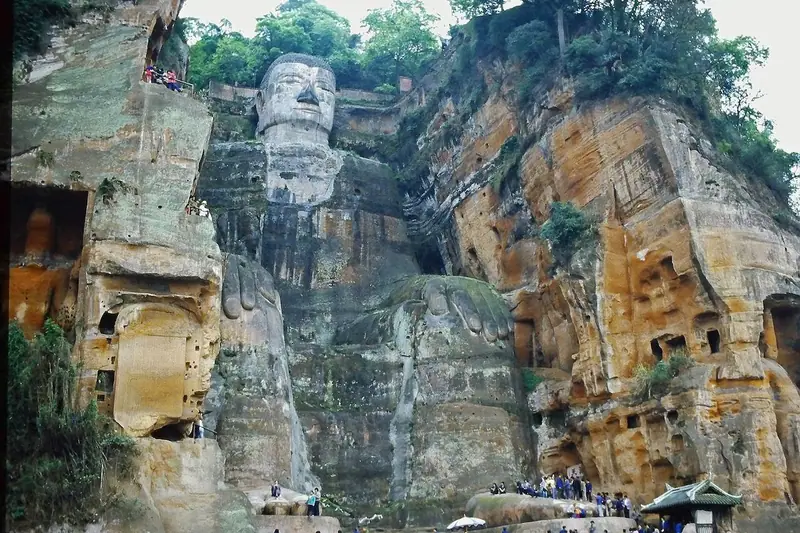
Leshan Giant Buddha audio guide
Climb down the Nine-Turn Plank Road beside the 71-metre Giant Buddha, carved into a red sandstone cliff where three rivers meet.
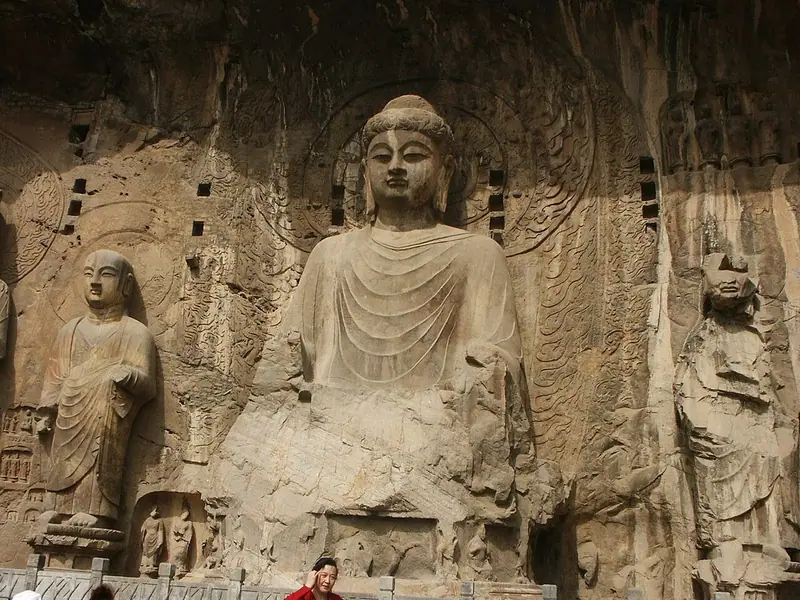 Tang7 stops · 494–907 CE
Longmen Grottoes audio guide
Follow the Yi River past limestone cliffs honeycombed with Buddhist caves and niches to the colossal statues of the Fengxian Temple.
Every guide, in every country
Macao and every other guide we publish, including future ones. One payment, no subscription.