Before you start
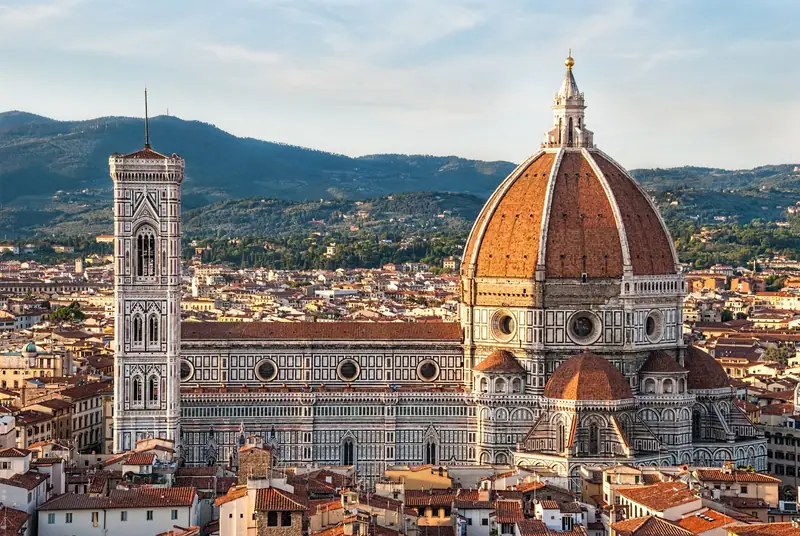
The cathedral complex of Santa Maria del Fiore stands in Piazza del Duomo and Piazza San Giovanni, at the very centre of Florence, a short walk from Santa Maria Novella station. It forms part of the Historic Centre of Florence, a UNESCO World Heritage Site since 1982, and is cared for by the Opera di Santa Maria del Fiore, the institution founded in 1296 to build and maintain it. This guide follows a natural order around the square: starting at the octagonal Baptistery and its famous Gates of Paradise, then crossing to Giotto’s bell tower, the cathedral’s marble façade and vast interior, climbing Brunelleschi’s dome, and finishing in the Museo dell’Opera del Duomo, where many of the original sculptures are kept.
Use it as a self-guided tour of the Florence Duomo: 7 stops in visit order, each played when you’re ready, at your own pace.
 Free preview · Stop 1
The Baptistery
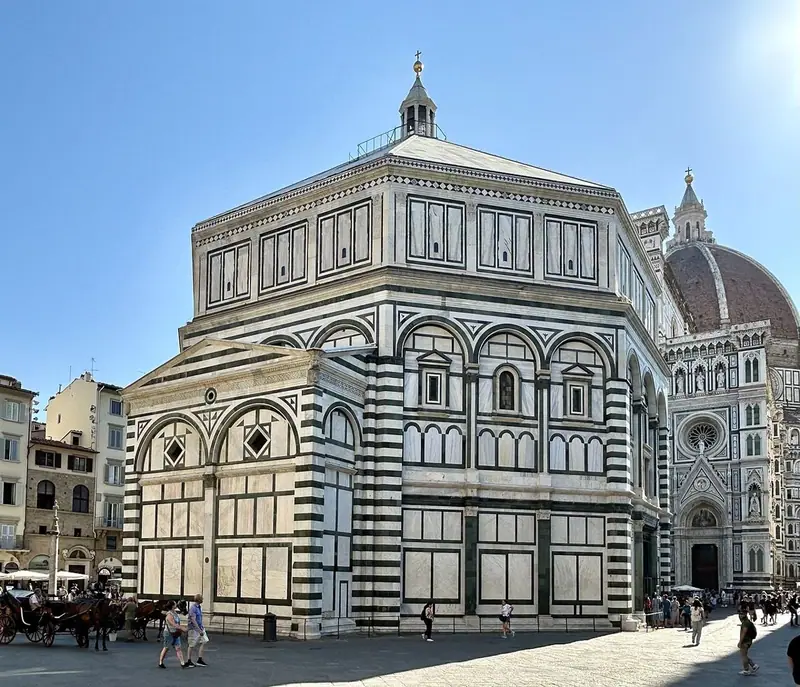
Start with the oldest building on the square, the Baptistery of St John, the patron saint of Florence. Its octagonal shell, clad in white Carrara and green Prato marble in crisp geometric patterns, dates largely from the eleventh and twelfth centuries, and Florentines long believed it was a Roman temple. For centuries, almost every child born in the city was baptised here, among them the poet Dante, who called it ‘my beautiful San Giovanni’. If you go inside, look up: the dome is covered in glittering thirteenth-century mosaics, dominated by a huge figure of Christ at the Last Judgement, with the damned being devoured by monsters below. The building has three sets of bronze doors, and their story is one of the founding moments of the Renaissance, as you will see at the east door, facing the cathedral.
Photo: Edanziger · CC BY 4.0 · Wikimedia Commons
What to see at the Florence Duomo: 7 stops, in visit order
- 01
 The BaptisteryBattistero di San GiovanniFree preview
- 02
 The Gates of ParadisePorta del ParadisoIn the guide
- 03
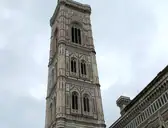 Giotto’s CampanileCampanile di GiottoIn the guide
- 04
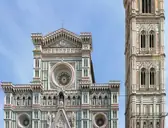 The Cathedral FaçadeFacciata del DuomoIn the guide
- 05
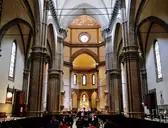 The Cathedral InteriorInterno del DuomoIn the guide
- 06
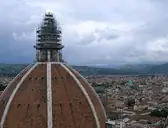 Brunelleschi’s DomeCupola del BrunelleschiIn the guide
- 07
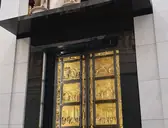 Museo dell’Opera del DuomoLe opere originali del DuomoIn the guide
Site map of the Florence Duomo
History of the Florence Duomo
The Duomo was built by the citizens of Florence, and it is the great monument of a city whose story runs from Roman times to the Renaissance and beyond. Florence began as Florentia, a colony of Roman veterans, founded in 59 BCE. After the fall of the Western Empire in 476 CE it passed through Gothic, Byzantine, Lombard and Frankish rule, and by the twelfth century it had become a self-governing commune. Grown rich on wool, cloth and banking, with its gold florin trusted across Europe, it built the present cathedral from 1296, to designs by Arnolfo di Cambio, as a statement of civic pride. The Medici rose to dominate the republic from 1434, and Florence became the cradle of the Renaissance, from about 1400 to the 1530s, home to Brunelleschi, Donatello, Botticelli, Leonardo and Michelangelo. The republic ended in 1532, when the Medici became dukes, and from 1569 grand dukes of Tuscany.
The full history continues in the guide.
Florence Duomo guide: questions
How many stops does the Florence Duomo guide have?
7 stops, in visit order: 1. The Baptistery; 2. The Gates of Paradise; 3. Giotto’s Campanile; 4. The Cathedral Façade; 5. The Cathedral Interior; 6. Brunelleschi’s Dome; 7. Museo dell’Opera del Duomo.
Can I do a self-guided tour of the Florence Duomo with this guide?
Yes. The guide is made for a self-guided tour: 7 stops in visit order, each with a photo, a story and a voice, so you can explore the Florence Duomo at your own pace, without joining a group. Download it before you go and it works offline.
How long is each guide?
The 7 stops add up to about 7 minutes of listening in total. You play each stop when you’re ready, so you can go at your own pace.
Does the guide work offline?
Yes, once it’s downloaded. The guide is a single self-contained web page (about 8.5 MB) with the photos, text and audio built in. Download it to your phone before you go (Wi-Fi is best); after that it opens in any modern browser on iPhone or Android, with no app, account or mobile signal needed.
Does it use GPS or need my location?
No. The guide doesn’t use GPS and doesn’t know where you are: you play each stop when you reach it. It works on iPhone and Android in any modern browser, and it’s in English.
What’s included?
One self-contained HTML guide: 7 stops in visit order, each with a photo, text and a voice, plus the story of who built the site.
Who built the Florence Duomo?
The Duomo was built by the citizens of Florence, and it is the great monument of a city whose story runs from Roman times to the Renaissance and beyond. Florence began as Florentia, a colony of Roman veterans, founded in 59 BCE.
Where is the Florence Duomo?
The cathedral complex of Santa Maria del Fiore stands in Piazza del Duomo and Piazza San Giovanni, at the very centre of Florence, a short walk from Santa Maria Novella station.
Is there a free audio guide to the Florence Duomo?
The first stop, The Baptistery, is free to read and hear on this page, so you can try the Florence Duomo audio tour before you buy. The full guide, with all 7 stops, is a one-off purchase: download it once and it’s yours to keep, working offline.
Is the Florence Duomo guide worth it?
If you’d like to know what you’re looking at, yes. For $10 you get 7 stops in visit order, each with a photo, a short history and a voice you play when you’re ready, plus a site map of the stops, and about 7 minutes of listening in all. It’s short on purpose, so you spend your time looking, not listening. It’s yours to keep, works offline and needs no app. The first stop is free on this page, so you can try it before you buy. If you’d like hours of detail, a guided tour will go deeper.
Audio guide or guided tour?
It depends how you like to visit. This guide lets you explore the Florence Duomo at your own pace, at any time, for a one-off price. A guided tour gives you a live expert you can ask questions, but at fixed times and usually for a higher price. Many people use both: a tour for the big picture, and the guide to read beforehand or to revisit the stops in their own time.
Is this the official Florence Duomo guide?
No. It’s an independent guide by The Historian Guide, not affiliated with or endorsed by the operator of the Florence Duomo. For tickets and opening hours, check the official site operator before you go.
Does the guide include entry tickets or opening hours?
No. The guide is a digital companion only. Admission to the Florence Duomo is separate, so check the official site operator for current tickets and opening hours before you go.
- Stop 1 · The Baptistery: Edanziger · CC BY 4.0 · Wikimedia Commons · resized
- Stop 2 · The Gates of Paradise: Txllxt TxllxT · CC BY-SA 4.0 · Wikimedia Commons · resized
- Stop 3 · Giotto’s Campanile: Acediscovery · CC BY 4.0 · Wikimedia Commons · resized
- Stop 4 · The Cathedral Façade: Original: Cosmos1972 Derivative work: Carnby · CC BY-SA 3.0 · Wikimedia Commons · resized
- Stop 5 · The Cathedral Interior: Zairon · CC BY 4.0 · Wikimedia Commons · resized
- Stop 6 · Brunelleschi’s Dome (also the cover): © Vyacheslav Argenberg / http://www.vascoplanet.com/ · CC BY 4.0 · Wikimedia Commons · resized
- Stop 7 · Museo dell’Opera del Duomo: Yair Haklai · CC BY-SA 4.0 · Wikimedia Commons · resized


All photographs from Wikimedia Commons under the licences shown.
More guides in Italy
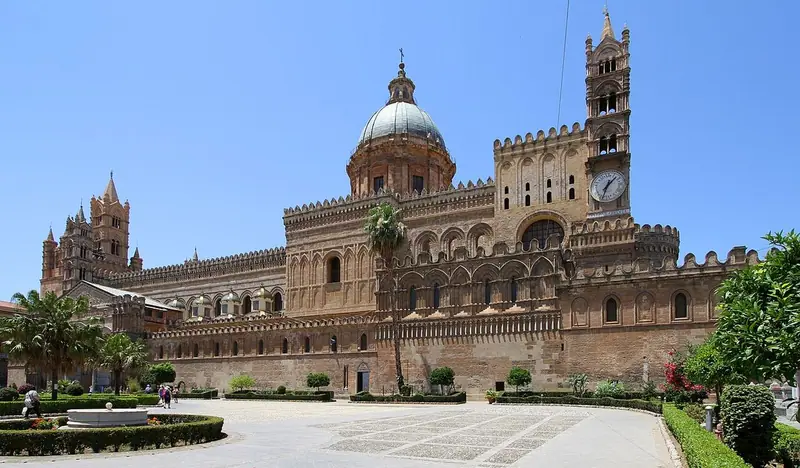 Arab-Norman11 stops · 1130 – 1194 (Norman kings of Sicily)
Arab-Norman Palermo, Monreale and Cefalù audio guide
Norman kings, Byzantine mosaicists and Arab craftsmen together: the Palatine Chapel, red-domed churches, the Zisa palace and the golden cathedrals of Monreale and Cefalù.
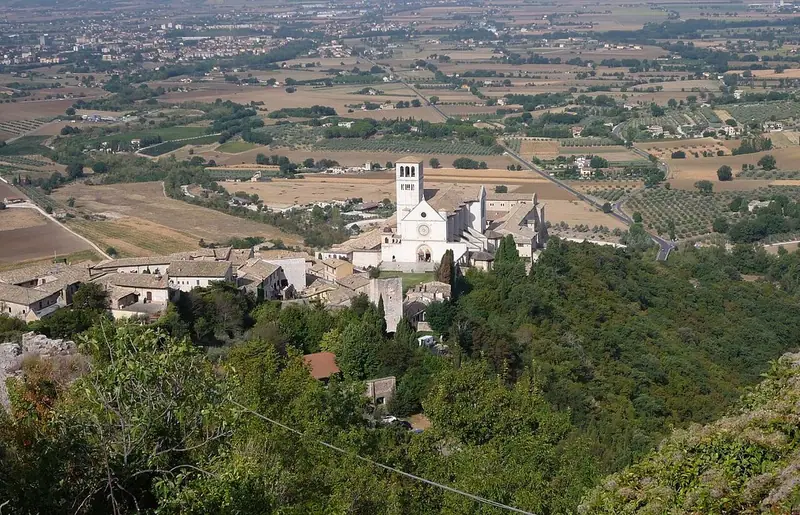 Franciscan10 stops · 1182 – 1253 (lives of Francis and Clare; basilica begun 1228)
Assisi audio guide
The hill town of Saint Francis: the double basilica with Giotto’s frescoes, his tomb, Santa Chiara, San Damiano and a Roman temple on the main square.
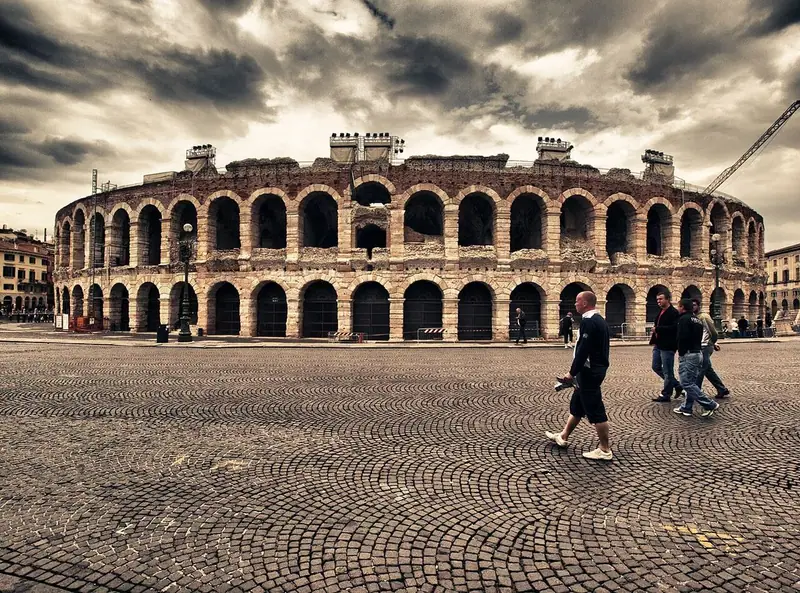 Roman11 stops · 1st c. BCE – 1797 (Roman colony to the end of Venetian rule)
City of Verona audio guide
A Roman arena still used for opera, the towers and tombs of the della Scala lords, and the Romanesque splendour of San Zeno, in a bend of the Adige.
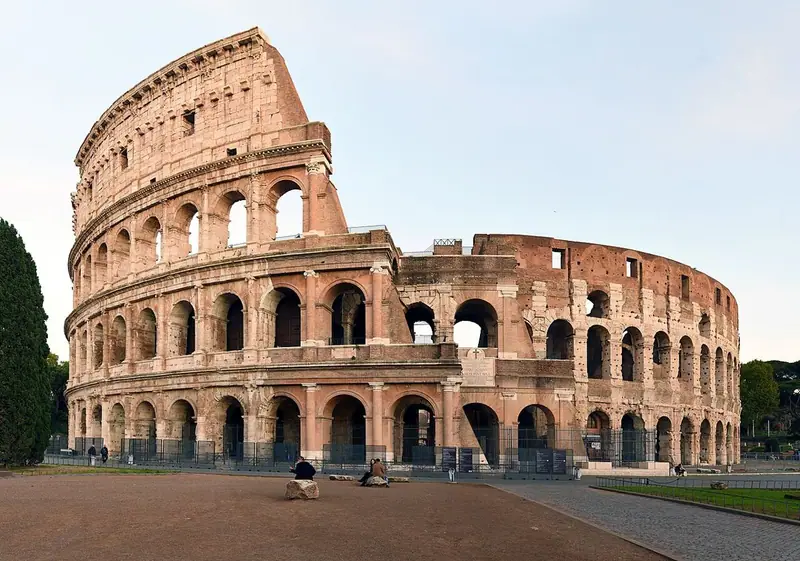 Roman7 stops · 70–80 CE
Colosseum audio guide
From the outer façade into the corridors and seating, then down to the arena floor and the hypogeum beneath it.
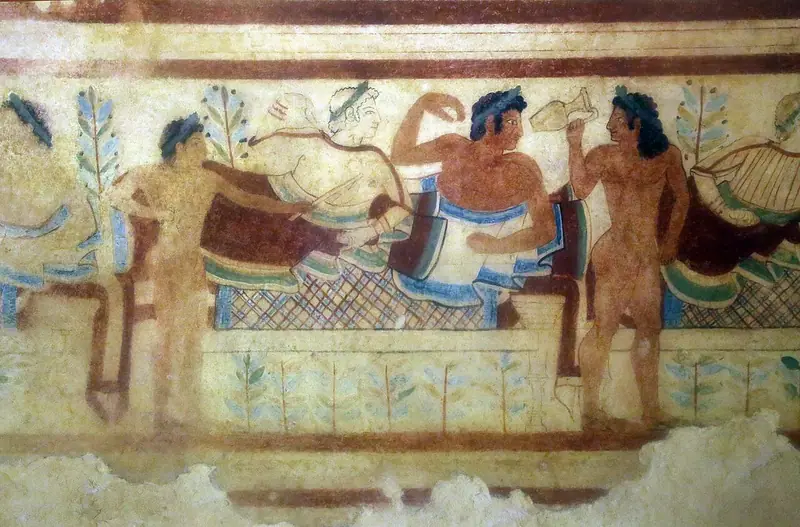 Etruscan9 stops · 9th – 3rd century BCE
Etruscan Necropolises of Cerveteri and Tarquinia audio guide
The Etruscan cities of the dead: the tumuli and tomb streets of the Banditaccia at Cerveteri, the Tomb of the Reliefs, and the painted tombs of Tarquinia’s Monterozzi necropolis.
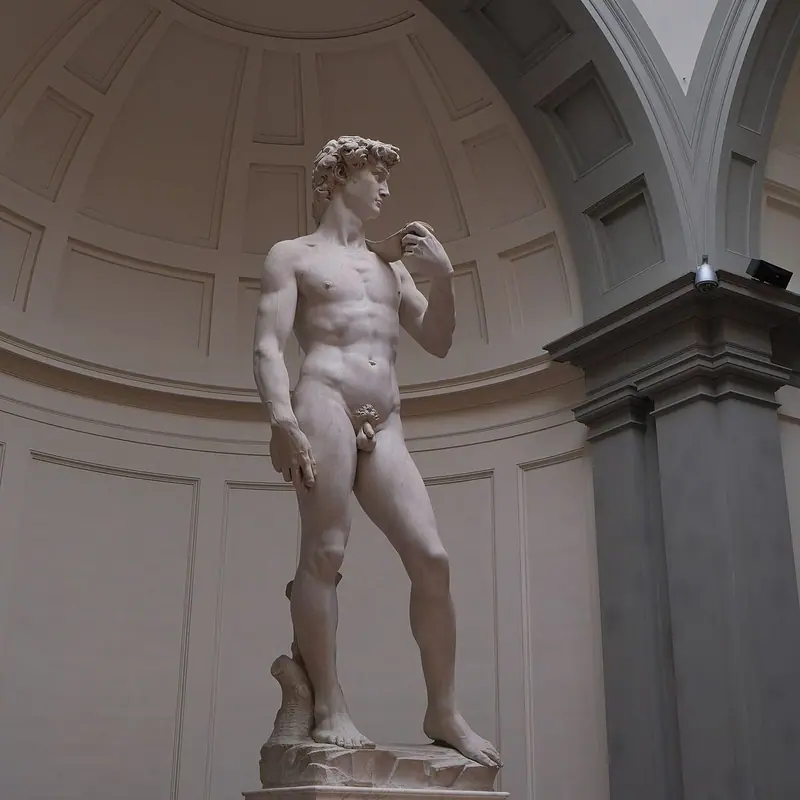 Renaissance8 stops · High Renaissance
Galleria dell’Accademia audio guide
Michelangelo’s unfinished Prisoners and the tribune of his David, then the plaster models and the Medici musical instruments.
Every guide, in every country
Florence Duomo and every other guide we publish, including future ones. One payment, no subscription.